

An Aube landscape with several histories
The Côte des Bar lies in the southern part of the Champagne appellation, around Bar-sur-Aube and Bar-sur-Seine. Its historical landmarks include Clairvaux Abbey, the three settlements of Les Riceys, the Renoir family’s Essoyes and vineyard villages such as Urville. Those places offer several routes into the past: medieval religious estates, border communities, painting and the development of Champagne businesses. The two Bar towns give the district its name, while the Aube and Seine connect towns, monasteries and commercial estates.
Bar-sur-Seine preserves the hillside Tour de l’Horloge from its former castle. Below it, Saint-Étienne contains 16th-century stained glass and sculpture, while the Promenade du Croc Ferrand follows the Seine. The river also runs beside Devaux’s later visitor estate at Villeneuve. Reading these sites together places the wine trade within an older town landscape, with the castle remnant above the streets and the river below.
Clairvaux begins in 1115
Bernard de Fontaine and monks from Cîteaux founded Clairvaux in 1115 in the Val d’Absinthe. The abbey’s account describes the development of a monastic landscape with vines, farms, forges and mills. Building of the great medieval abbey began in 1135. The surviving lay brothers’ building belongs to the 12th century, making it a tangible part of the community’s working history as well as a major architectural survival.
The monks modernised their abbey in 1708. The 18th-century kitchen, barn and refectory belong to that later phase of occupation. Clairvaux’s appearance consequently reflects rebuilding within a medieval institution, not one untouched complex completed under Bernard. Its religious influence spread through Cistercian foundations across Europe, while its local economy relied on land and work. The abbey name, derived from “clear valley”, remains attached to a site that subsequently acquired a much darker institutional history.

From abbey to prison
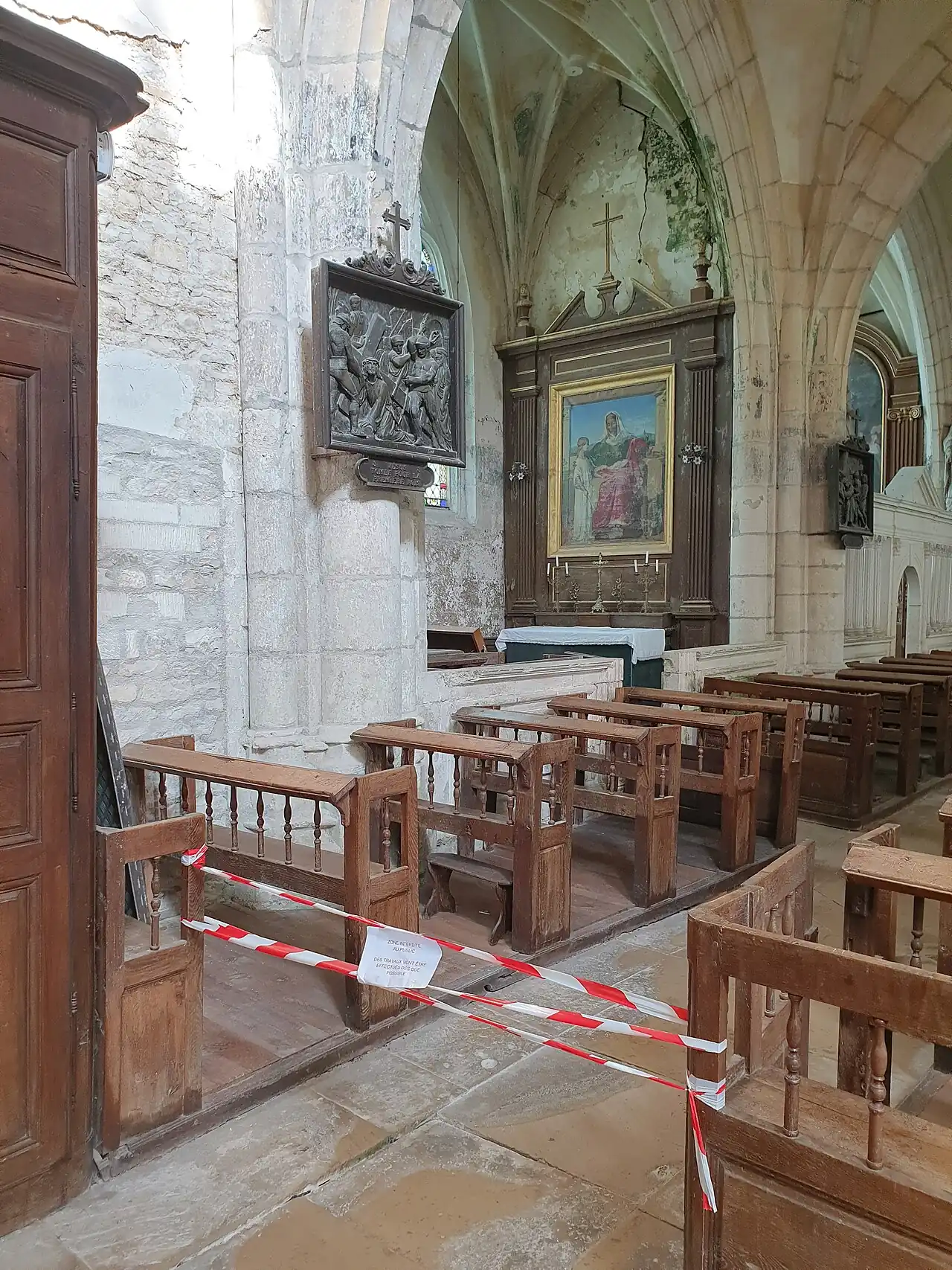
The Revolution ended the monastic community: the final monks left during 1789–1791. Napoleon bought Clairvaux in 1808 and converted the site to penal use. The monks’ refectory became a prisoners’ chapel, a particularly clear example of a room retaining its structure while changing its function. The former abbey buildings housed prisoners until their transfer to a modern prison within the historic enclosure in 1971. That prison finally closed in May 2023.
The official abbey history links Clairvaux with Victor Hugo’s Claude Gueux, published in the context of the 1832 case, and with political prisoners including the anarchist Peter Kropotkin, imprisoned there in 1883. Heritage visits began in the 1980s under the Association Renaissance de l’Abbaye de Clairvaux while the prison was still operating. That overlap explains the site’s unusual modern history: cultural interpretation developed beside a functioning penal institution, rather than waiting for the entire prison to close.
Merchants and memorials at Bar-sur-Aube
Saint-Pierre at Bar-sur-Aube dates from the late 12th century. Its timber halloy, running beside the south and west walls, was added in the 14th century and is associated in the local account with merchants at the Champagne fairs. About sixty memorial slabs survive from the 13th to 18th centuries. Some depict the tools of merchants and craftsmen, giving named trades a place within a church otherwise read through architectural styles.
The church also carries objects displaced by later political and religious change. Its main altar came from Clairvaux after the Revolution. Antoine Lété rebuilt the organ in 1845 using a case from Remiremont Abbey in the Vosges. The 16th-century Vierge au Bouquet and an Education of the Virgin associated with the Master of Chaource’s workshop add local sculpture. Vine shoots and pruning knives carved in the Saint-Paul chapel connect the church’s decoration with the surrounding winegrowing community.

Les Riceys: three settlements at a border
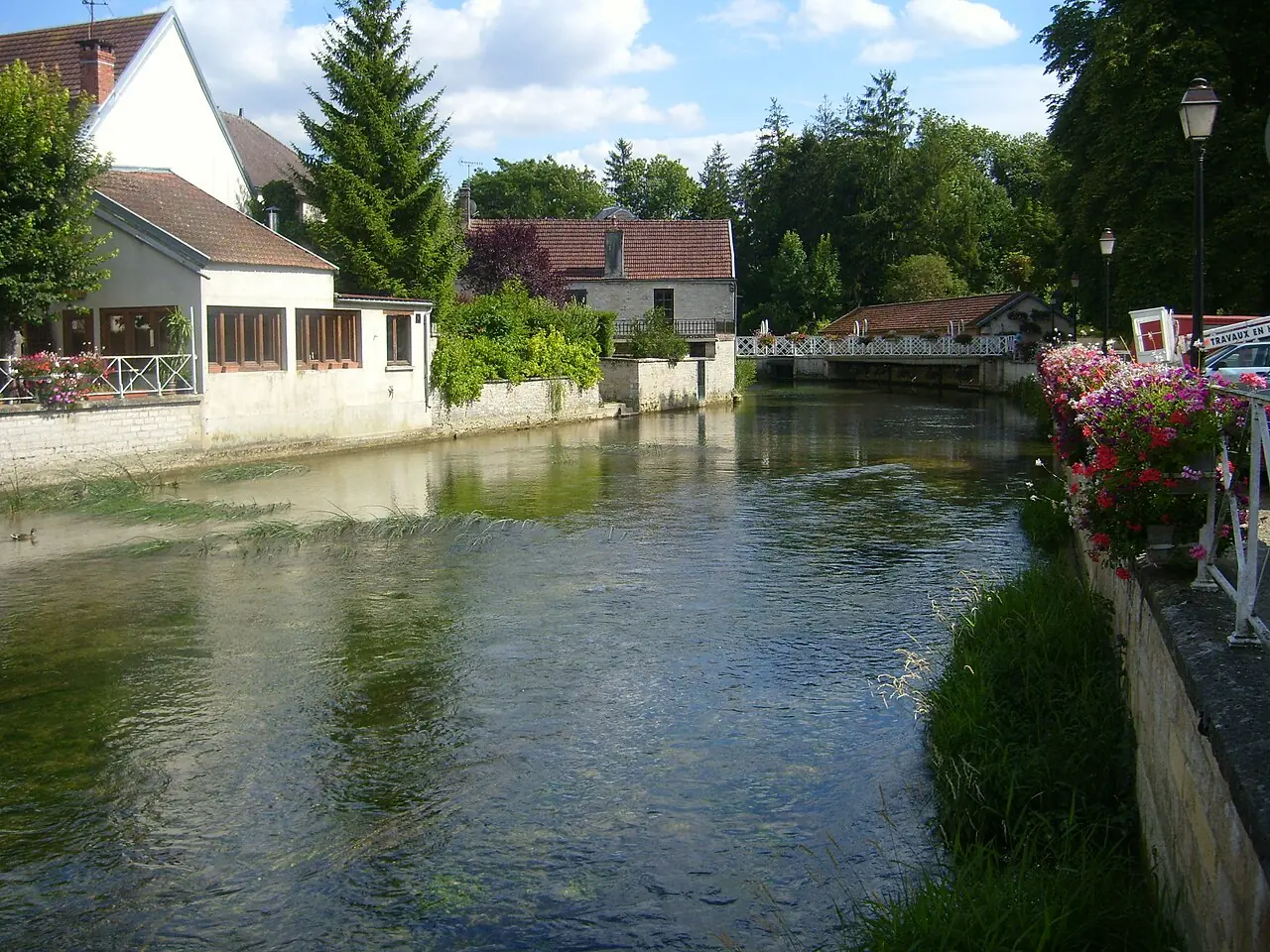
Ricey-Bas, Ricey-Haut and Ricey-Haute-Rive were separate settlements before their union after the Revolution. Their position between Champagne and Burgundy produced a complicated administrative geography. The commune’s own history explains that, before the departmental system, boundaries could divide streets and even houses. Ricey-Bas and Ricey-Haute-Rive belonged to the province of Burgundy, while Ricey-Haut belonged to the province of Île-de-France. The later inclusion in Aube made Troyes the principal administrative centre.
Each settlement retained a strong identity, visible in its imposing church and white-stone winegrowers’ houses. The official heritage inventory lists two châteaux, six chapels, seven wash houses and eighteen cadoles. Château de Taisne has been in the same family since 1837. Les Riceys’s three wine appellations—Champagne, Coteaux Champenois and Rosé des Riceys—add a second kind of distinction: sparkling Champagne shares this landscape with still white, red and rosé wines.
Cadoles and a changing farming landscape
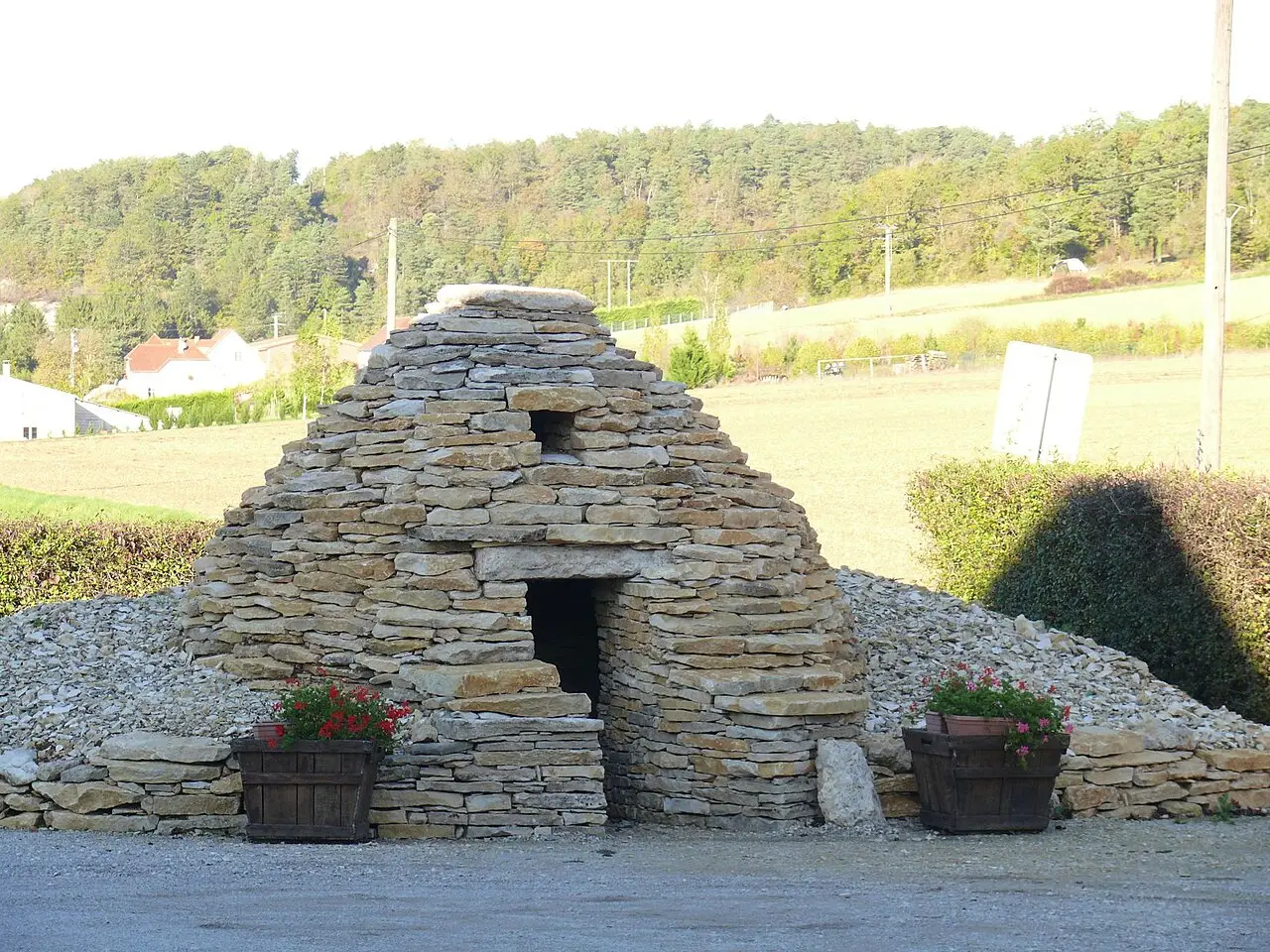
Cadoles are dry-stone shelters built for vineyard workers, providing protection from rain, summer sun and winter cold. The tourism circuit describes them as 19th-century constructions. Les Riceys and Courteron have different groups: the former’s inventory lists eighteen, while the Courteron circuit identifies twelve. They are small agricultural buildings assembled from local stone, with a history tied to the practical work of maintaining individual parcels.
Les Riceys’s municipal history records a change in the wider landscape after 1945. Livestock farming declined, former pasture became scrub or pine woodland, and belts of trees spread down from the plateaux towards the settlements. The same account traces the replacement of Gamay with Pinot Noir, Meunier and Chardonnay. The landscape therefore changed through choices about crops and livelihoods, as well as through the expansion of Champagne production. The surviving shelters sit within a district that was once more open.

Urville and the Drappier family
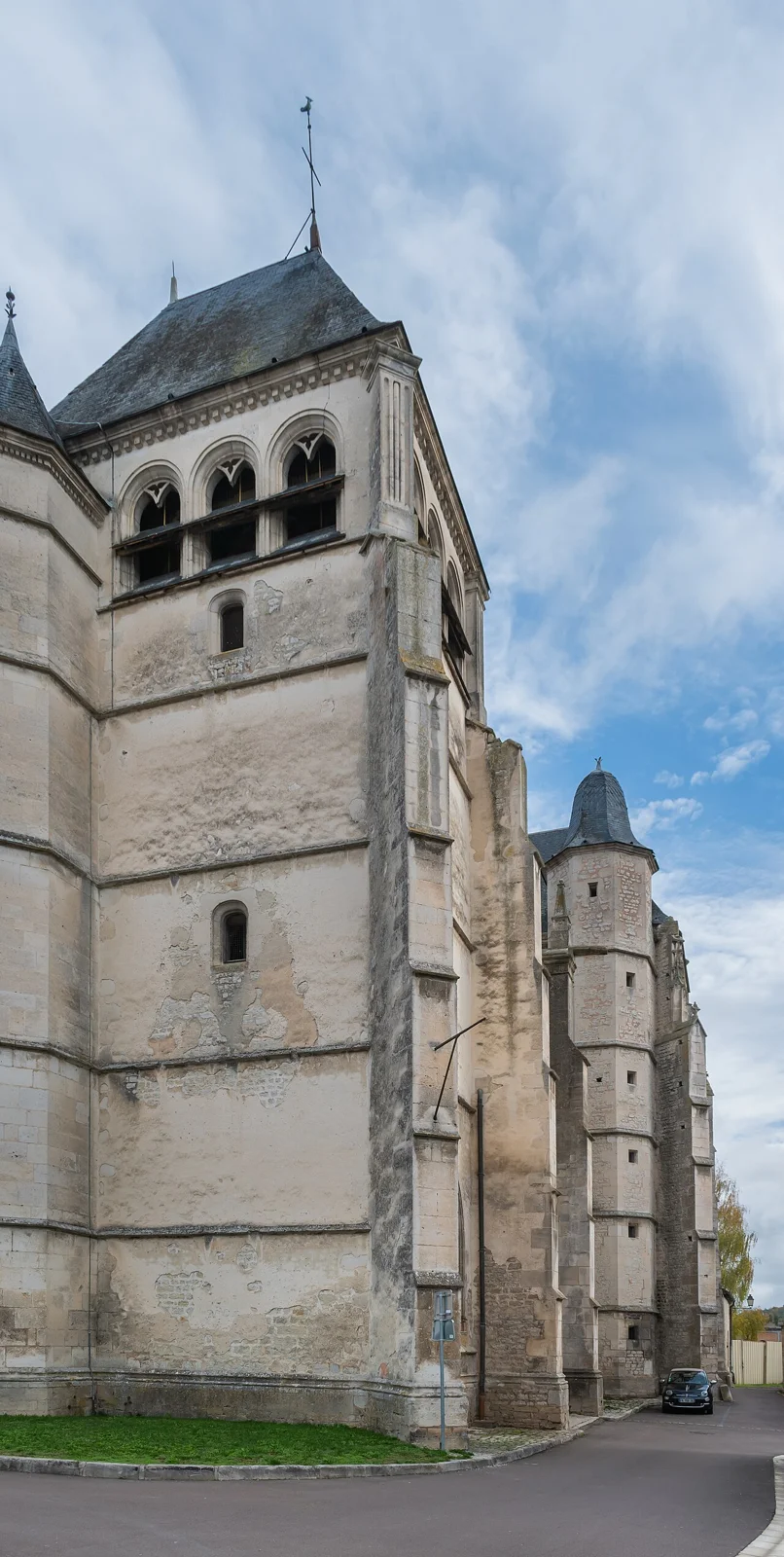
François Drappier settled in Urville in 1808 and began cultivating a small vineyard. The house dates its medieval cellars to 1152 and associates their construction with Bernard of Clairvaux. In the 19th century those cellars became the village presbytery; the Drappier family bought them after the Second World War. Their history connects religious property, village use and a family wine business at a single Urville address.
In the early 1930s Georges Collot replanted Pinot Noir in the canton, earning the nickname “Père Pinot”. André and Micheline Drappier created Carte d’Or in 1952, with its recognisable yellow label. After the devastating frost of 1957, André introduced the more spring-frost-resistant Meunier. Micheline developed a Pinot Noir rosé in 1968. These dated decisions explain the estate’s modern identity through changes in planting and winemaking, not merely a list of successive generations.
Devaux and Essoyes: two later chapters
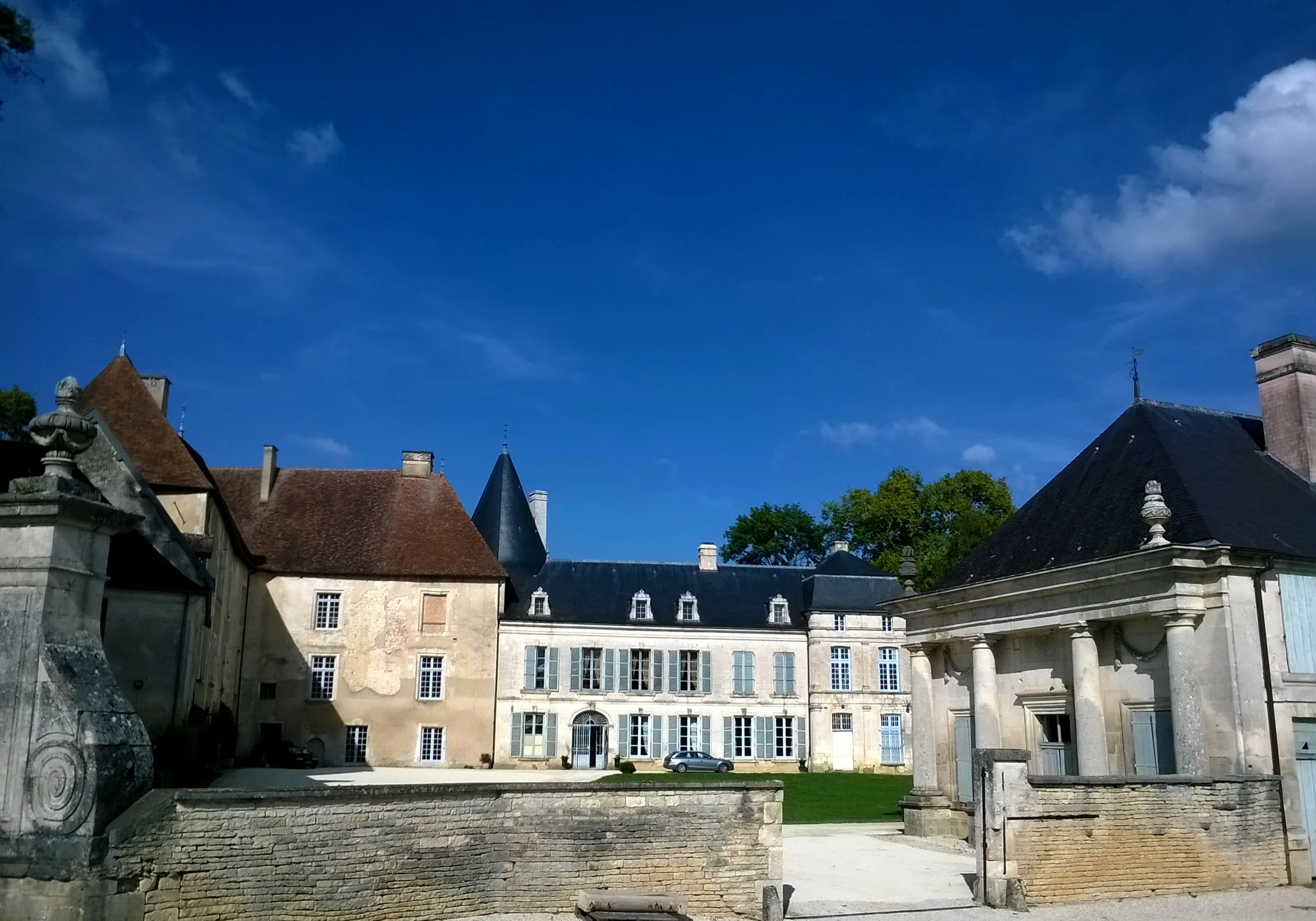
Devaux began in 1846 and later passed through the leadership of three widows. Its official chronology names Claude-Joseph Devaux, Augusta-Maria Herbin and Marguerite Marie-Louise Devaux, the last of whom led the business from 1907 until 1951. In 1987 Jean-Pol Auguste Devaux entrusted the brand to Union Auboise. Its present Bar-sur-Seine estate includes an 18th-century manor and a 17th-century dovecote beside the Seine: the brand’s history and the history of its current buildings have different beginnings.
At Essoyes, Aline Charigot brought Pierre-Auguste Renoir to her home village in 1885. They bought the family house in 1896, and Renoir’s separate studio was built in 1906. The family returned during summers over three decades, with the village, its inhabitants and surrounding landscape becoming subjects for his painting. Their sons Pierre, Jean and Claude pursued acting, filmmaking and ceramics. The preserved house and studio bring that family’s working life into the Côte des Bar’s story alongside abbeys, churches and wine estates.

A late-20th-century family business
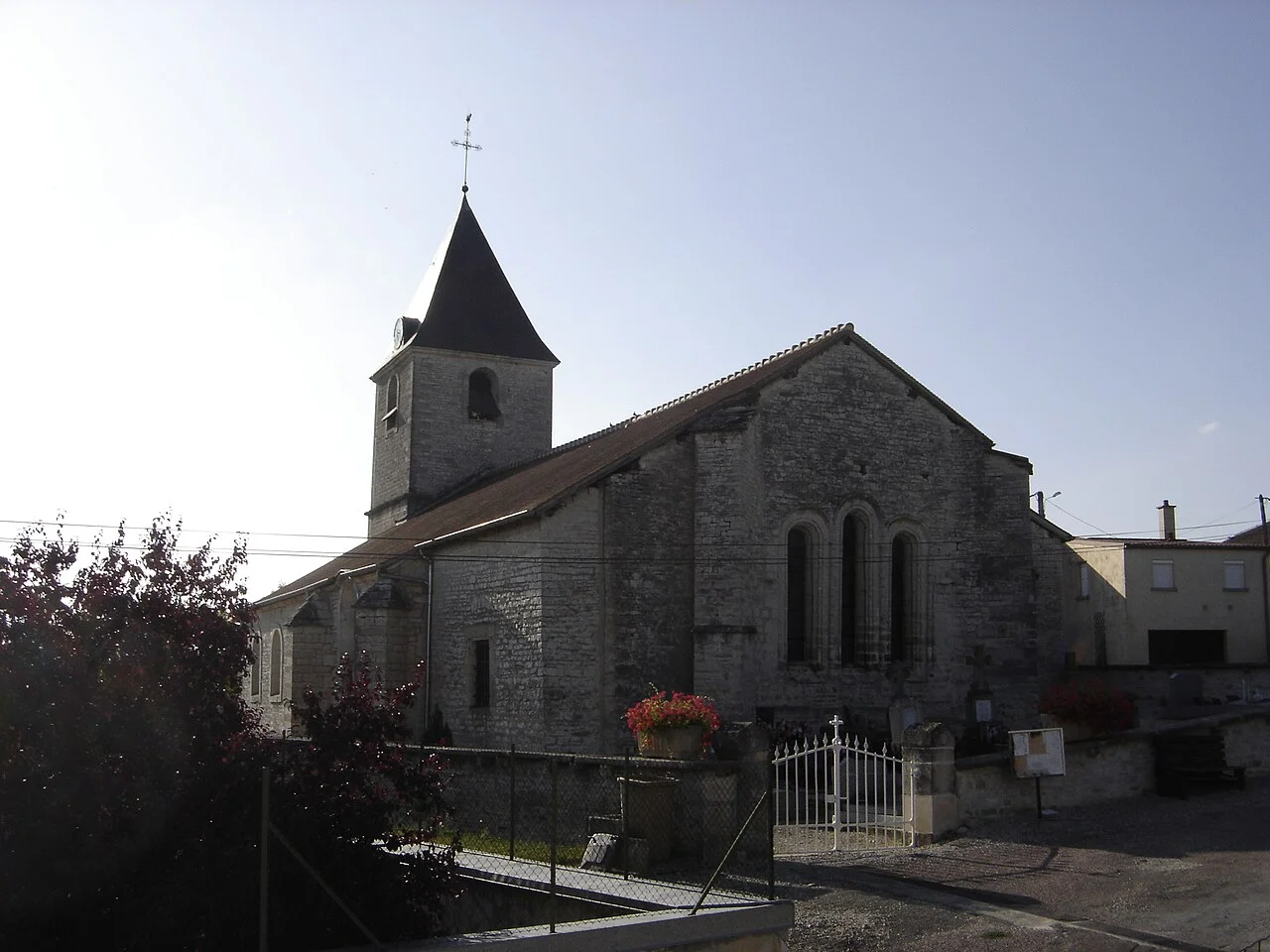
At Balnot-sur-Laignes, Gremillet’s own history dates the beginning of its Champagne business to 1979 under Jean-Michel Gremillet. Its early development focused on exports and the diplomatic market. Jean-Michel’s children Jean-Christophe and Anne later joined, followed by their respective spouses Karine and Stéphane. This is a different chronology from Devaux’s 1846 foundation and Drappier’s 1808 family vineyard. Taken together, the three businesses show several periods in the district’s Champagne development: established family vineyards, a 19th-century brand later entrusted to a winegrowing group, and a producer launched during the late 20th century. Their individual foundation dates are more informative than treating all Côte des Bar houses as equally ancient.
Read Côte des Bar: places to visit and trip planning guide
Plan your trip to Côte des Bar
Get there
Book a tour
Select the departure point and date on the booking page. Check the meeting point, language and inclusions before paying.
Compare toursWe may earn a commission if you book through these links, at no extra cost to you.