
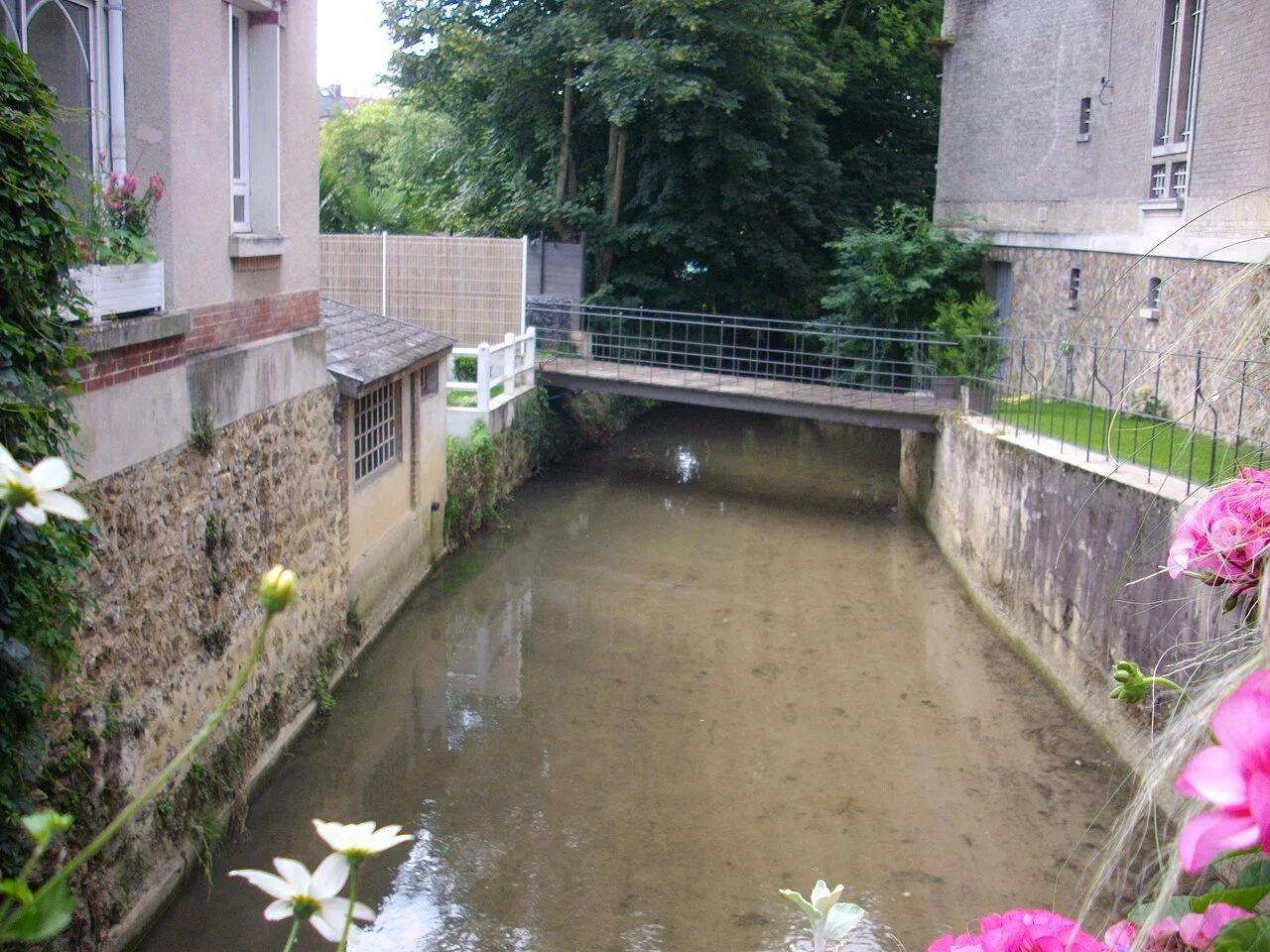

1. Walk the Avenue de Champagne above the cellars
The Avenue de Champagne is the obvious first walk in Épernay, but its interest reaches beyond tasting glasses. UNESCO’s 2015 Champagne inscription includes this avenue and Fort Chabrol, alongside Saint-Nicaise Hill in Reims and the historic vineyards around Hautvillers, Aÿ and Mareuil-sur-Aÿ. Look at the contrasting house façades, courtyards and gates as you walk east from the tourist office. Moët & Chandon, Perrier-Jouët, Pol Roger and Mercier each give the avenue a recognisable name and a different architectural stop.
Our Épernay guide gives the house-by-house route and links to individual visits. A façade stop does not imply public access: Pol Roger is an outside-only sight for ordinary visitors. Our suggested allowance for an unhurried avenue walk is 45–60 minutes, excluding any museum or cellar appointment. That is a planning estimate for looking at buildings, not an operator’s guided-tour duration. Put a confirmed ticket time into the day first, then enjoy the avenue around it.
2. Explore Château Perrier’s four collections
Start at 13 avenue de Champagne, the address of Château Perrier. Its Musée du vin de Champagne et d’Archéologie régionale combines wine heritage with regional archaeology. Opened in May 2021, it displays around 2,000 objects across geology, archaeology, Champagne wine and local collectors’ material. The sequence makes the chalk beneath the vines part of a much longer story. You can visit without booking a tasting, and the included audioguide offers ten spoken languages, including English, as well as accessible interpretation formats. The museum lends folding seats and other assistance equipment against identification.
The museum’s own practical page gives an average visit of 90 minutes to three hours. Standard adult admission is €10, with free admission for under-thirteens and other eligible visitors; the first Sunday of the month is free (checked October 2026). A temporary-exhibition ticket and combined ticket have separate prices. Select the collection you want on the official admission page, rather than assuming the standard museum ticket includes every temporary display.
From 1 April to 31 October, the museum opens 11:00–19:00 and closes Tuesdays. From 1 November to 31 March, it opens Wednesday–Friday 13:30–18:00 and Saturday–Sunday 10:00–18:00, closing both Mondays and Tuesdays. It also closes on 1 January, 1 May and 25 December. Last admission is one hour before closing. This seasonal distinction matters for a winter weekend: a Monday museum plan that works in summer does not work in the published winter timetable.
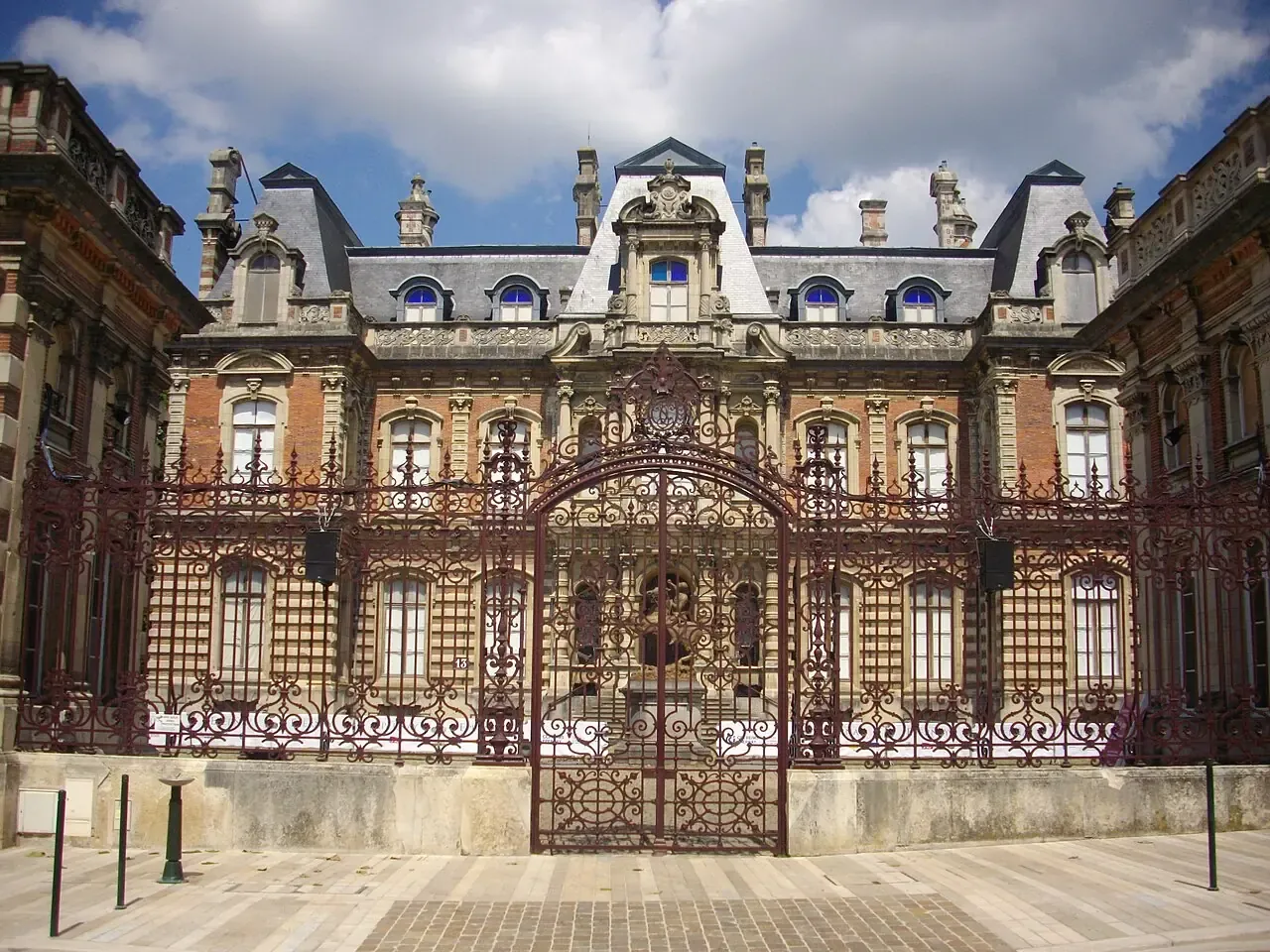

3. Step through Château Perrier’s park
The Château Perrier park became a public garden in 2021. You can enter from 13 avenue de Champagne or from the Parking des Arts on rue de Reims, which makes it a useful link between the avenue and the town behind it. The city publishes free daily park access from 08:00 to 21:00 during April–October and 08:00 to 20:00 during November–March. The garden’s daily opening is separate from the museum’s Tuesday and winter Monday closures.
Our suggested garden pause is 20–30 minutes, added to the museum’s own 90-minute-to-three-hour visit range if you are doing both. The rue de Reims entrance gives a different approach from the avenue façade, and the museum lists it as an access route for visitors arriving through the park. Use the museum’s visitor information for wheelchair and assistance arrangements before choosing your entrance. A park visit alone does not require a museum ticket.
4. Climb Castellane’s tower
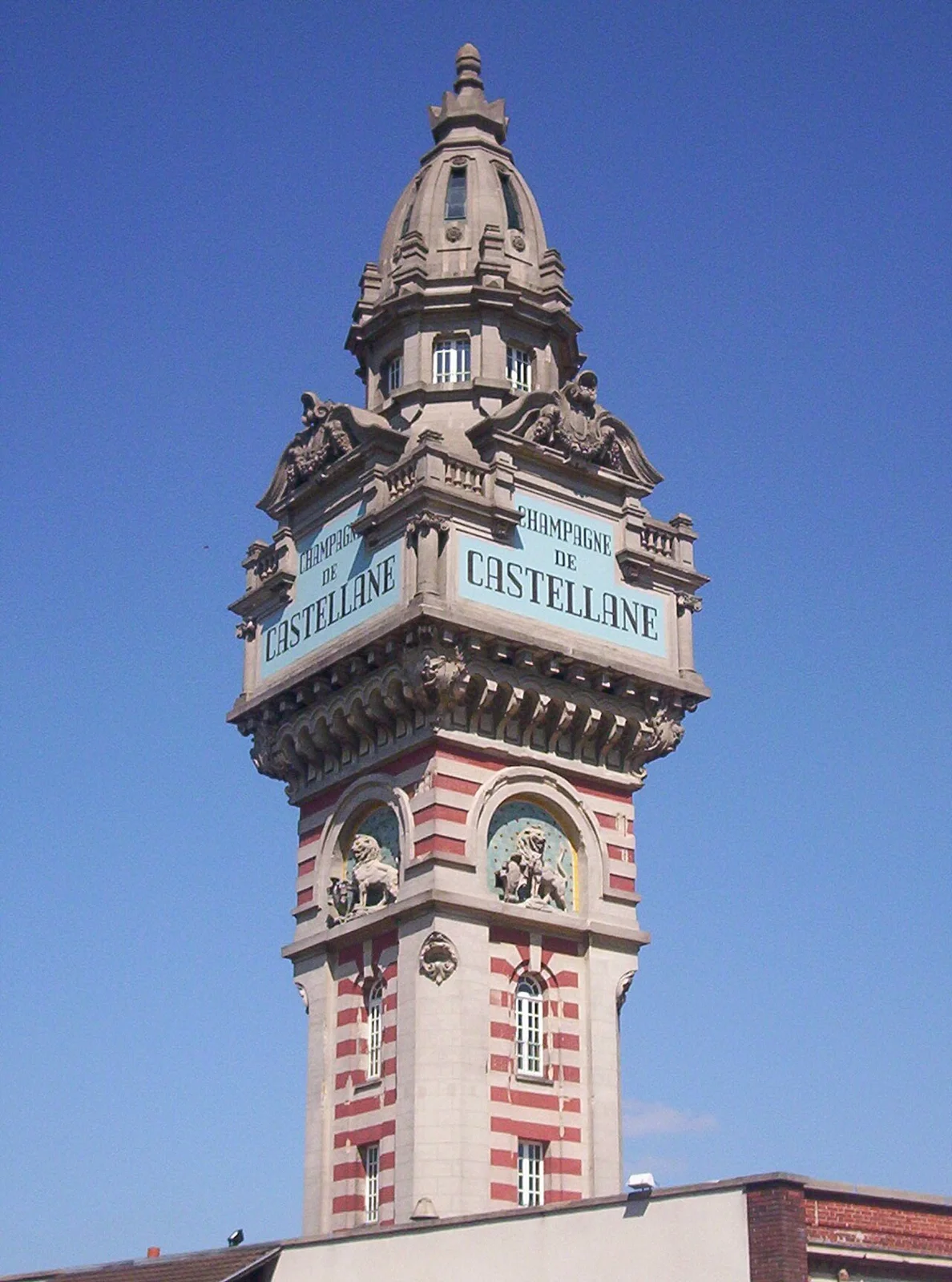
Castellane’s red-brick tower rises 66m above the estate at 57 rue de Verdun. The house currently advertises the tower, museum and permanent exhibition while explicitly saying its cellars are temporarily closed. The one-glass tower visit lasts 60 minutes and costs €20; the two-glass version lasts 75 minutes and costs €30 (checked October 2026). Both published formats take a maximum of ten people. This is a chance to see the town from above, with the climb itself central to the visit.
The ascent has 237 steps over eight floors, so it is not a substitute for a step-free viewpoint. The operator lists daily opening of 10:00–12:00 and 14:00–18:00 and recommends booking through its visits team. Its separate Heritage Visit lasts 90 minutes, takes a maximum of six visitors and requires a reservation. Confirm the format on the Castellane visits page: the tower ticket does not override the current cellar closure, and a tasting remains part of the advertised adult product.

5. Shop at the Halles Saint-Thibault
The city lists the Halles Saint-Thibault food market on Wednesdays and Saturdays from 06:30 to 12:30. Its market guide describes around ten traders on Wednesday and around fifty on Saturday. That makes Saturday the larger published session, with the covered hall a useful morning stop before an afternoon museum or house booking. Choose produce from the traders who are actually there; the municipal guide does not guarantee a particular stall’s attendance or a fixed seasonal menu.
Épernay has other markets with their own addresses and hours. Place Auban-Moët hosts a Sunday food market from 07:00 to 12:30; place Fada N’Gourma has food and other trading on Wednesday from 08:00 to 12:30. The rue de la Poste market on Tuesdays and Saturdays, 08:00–19:00, is listed for fabrics and haberdashery. Our suggested food-market stop is 30–45 minutes. Read the location as carefully as the day: the all-day fabric market is not an alternative timetable for the Halles.
6. Find the Hôtel de Ville and Horticulture gardens
The Hôtel de Ville garden at 7 bis avenue de Champagne covers 1.6 hectares and opened to the public in 1923. Its formal French planting and English-style landscape sit beside the former Auban-Moët residence. The Jardin d’Horticulture, in the Parc des Loisirs Roger-Menu area, was created in 1910 and opened to the public in 1937. The city identifies dwarf beeches, cypresses and sequoias among its trees, with the Cubry watercourse linking the walk to the Coulée Verte.
Both gardens received the Jardin remarquable label in 2011, renewed in April 2026 for seven years. Their published hours are Monday–Saturday 07:00–20:00 and Sunday 08:00–20:00 in October–April; in May–September, closing moves to 21:00. Our suggested allowance is 20–30 minutes for either garden, longer if you follow the Cubry. These are named public gardens with their own opening hours, so check the seasonal closing time before using them as an evening route.

7. Look over the vineyards from Mont Bernon
Mont Bernon reaches 207m, with views over Épernay, the historic vineyard slopes, the Côte des Blancs and the Châlons plain. The city describes wooden viewing platforms, paths and a balance-play area, with a parking area at the top reached by chemin de la Source. Protection of the site dates to 1934 and was extended in 1963. It is a public landscape stop, without a timed ticket or a tasting appointment attached to the view.
The city’s 2019 biodiversity guide also publishes a 3km nature walk from the Coulée Verte towards Petit Bernon, passing the Cubry, Horticulture garden, former hospital farm, woodland and vines. Treat that as a named published route and consult the city’s current access information for works or restrictions. Our suggested allowance for an independent Mont Bernon viewpoint stop is 30–45 minutes; that does not include walking from your hotel, climbing the whole nature route or travelling from the station.
8. Follow a section of the V52
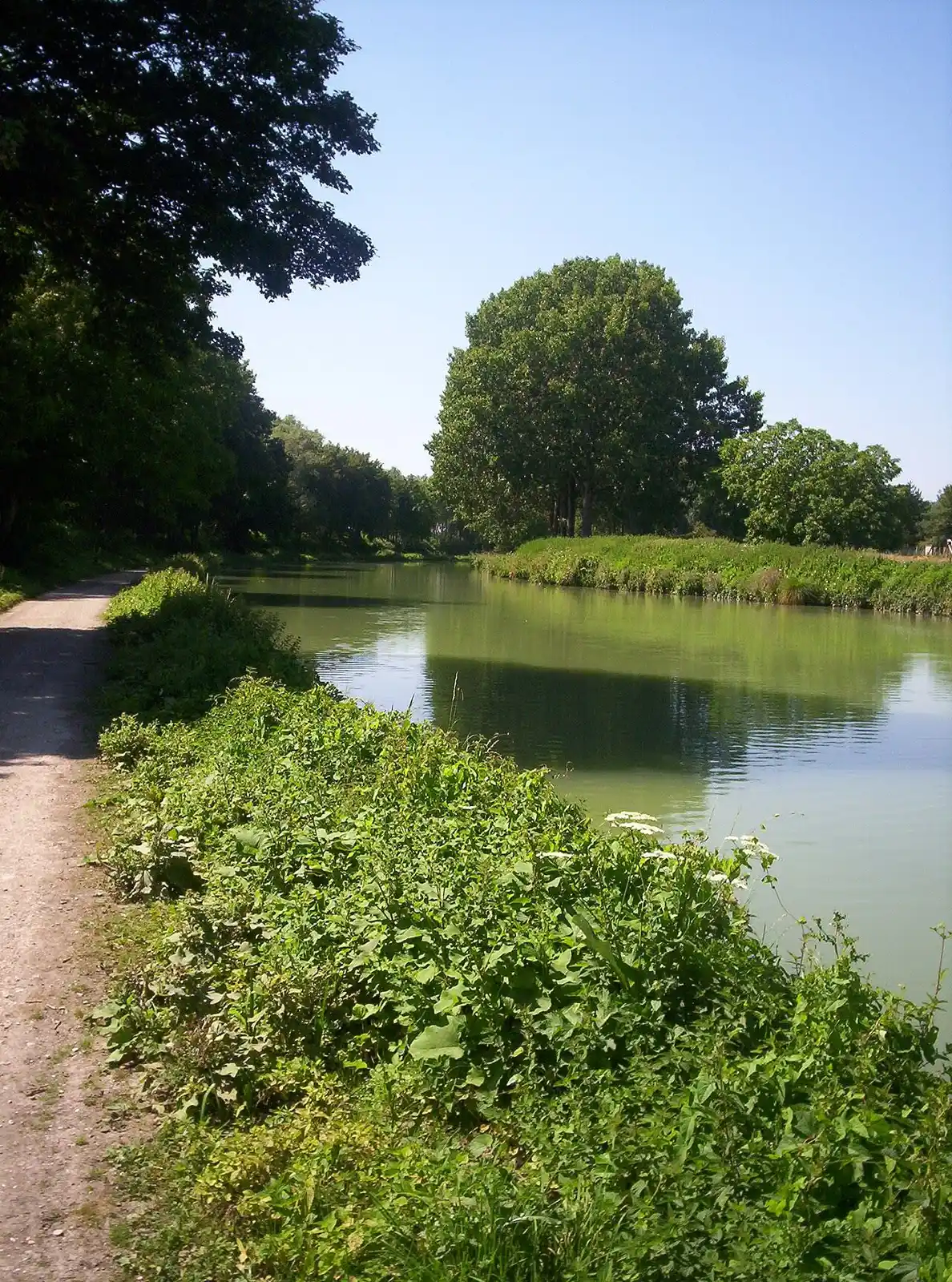
The tourist office describes a 62km local section of the V52 between Dormans and Moncetz-Longevas, following the Marne and its lateral canal. From Épernay, its travel information points riders towards Magenta to join the route. Choose a shorter out-and-back section for a half-day rather than treating the entire 62km as a casual town ride. The canal-side setting gives you an outing beyond house courtyards, with Aÿ and the Marne valley part of the wider local cycling map.
The office also publishes the Côte des Blancs Nord circuit, a little over 21km and marked with red cycling signs. That vineyard circuit uses roads and includes hills; it is a different proposition from a canal-side ride. Neither distance is a hire operator’s guided-tour duration. Ask your bicycle provider about the actual route surface, equipment and return deadline, and use the tourist-office route descriptions to choose your distance. Save tastings for after cycling is finished.

9. Notice the town’s surviving theatre and portal
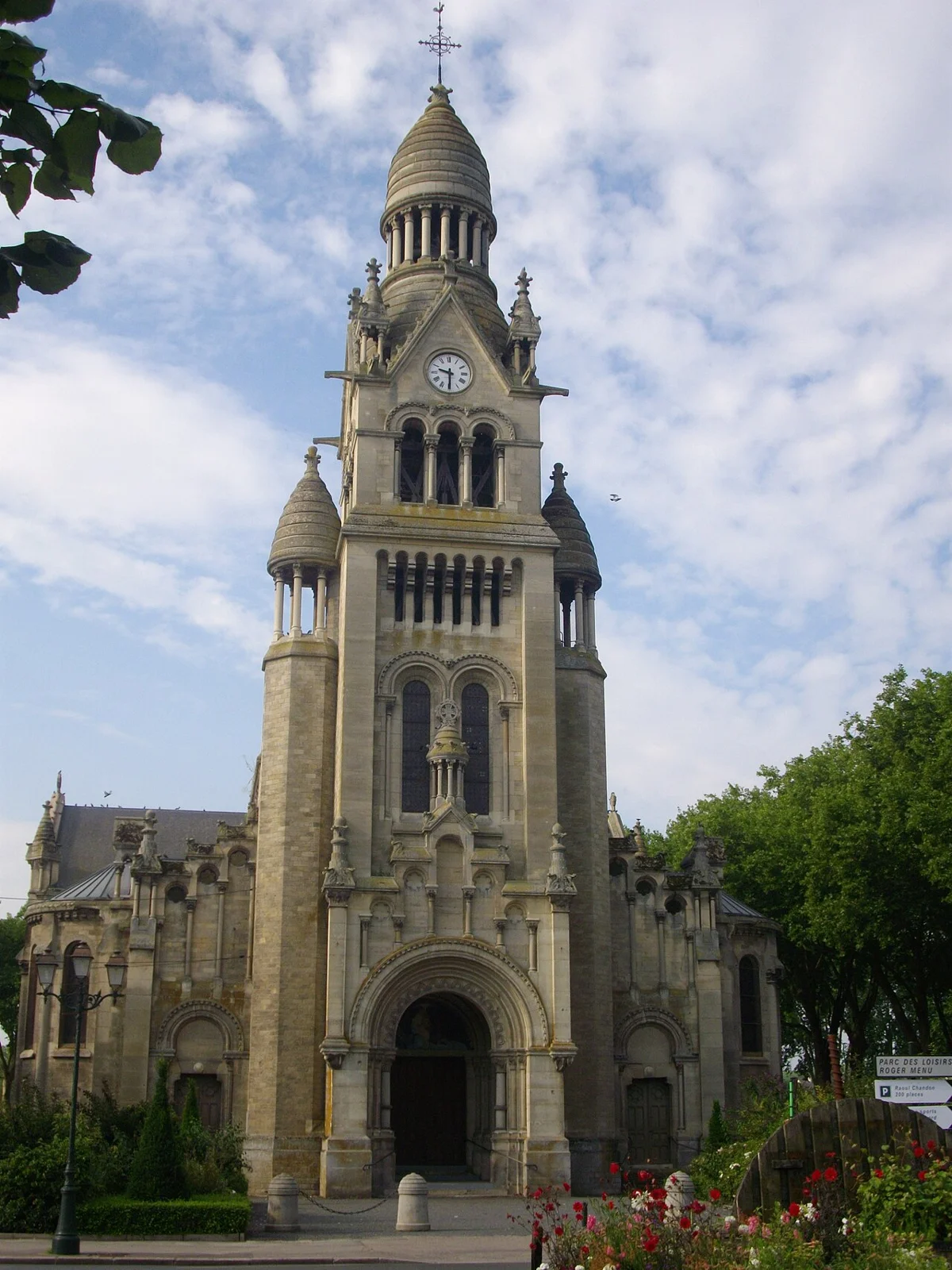
The Théâtre Gabrielle-Dorziat on place Mendès-France opened on 18 October 1902. Stanislas Loison designed the theatre, and Joseph Ascoli created the pediment sculpture, La Vigne champenoise inspirant l’Art théâtral. Renamed for actor Gabrielle Dorziat on 30 November 1987, the building now belongs to the Le Salmanazar performance programme. Look up at the façade on a central-town walk; to enter for a performance, select a specific show and its published curtain time and ticket price.
The Portail Saint-Martin on place Hugues-Plomb is another survivor worth finding. The city dates the Renaissance portal to 1540 and attributes it to sculptor Pierre Jacques. It stands here following the demolition of the old church in 1909 and the portal’s relocation in 1916. Our suggested combined exterior stop for the theatre and portal is 20–30 minutes, excluding a performance. Neither building is being presented here as a museum with a daily walk-in interior timetable.
10. Make Hautvillers a separate outing
Hautvillers adds village lanes and the Saint-Sindulphe church to an Épernay stay. Dom Pierre Pérignon’s tomb is in the church on rue de l’Église, while the former Saint-Pierre abbey is privately owned and does not offer ordinary public visits. The tourist office publishes free church access and posts exceptions for services and events. Its 2026 information includes changed closing arrangements around late-October and November events, so use the current church listing before leaving Épernay.
The Hautvillers guide keeps the church, private abbey and village tasting visits distinct. Make the village a dedicated excursion with your return transport arranged; it is not another building on the Avenue de Champagne walking route. Back in town, our Épernay food guide and places-to-stay guide help you put a meal and a bed around the museum’s seasonal hours and your booked house visit.
Questions about your visit
Can I visit Épernay without a Champagne tasting?
Yes. Château Perrier’s museum and free park, the Halles Saint-Thibault markets, the public gardens, Mont Bernon and the V52 provide named options. Castellane’s advertised tower products include Champagne, so check the ticket if avoiding tasting.
Are the Castellane cellars open?
Castellane’s own October 2026 visits page says its cellars are temporarily closed. It advertises a 60-minute tower and museum visit with one glass for €20, including a climb of 237 steps.
What closes on Tuesday?
Château Perrier’s museum closes Tuesdays all year and also Mondays during November–March. Its park has separate daily opening hours. The Halles Saint-Thibault food market runs Wednesday and Saturday mornings.
How long should I allow at Château Perrier?
The museum itself gives 90 minutes to three hours as its average visit range. Last admission is one hour before closing. Add park time separately if you want to explore the free garden.
Plan your trip to Épernay
Get there
Book a tour
Select the departure point and date on the booking page. Check the meeting point, language and inclusions before paying.
Compare tours ↗We may earn a commission if you book through these links, at no extra cost to you.