
A landscape named for white grapes
South of Épernay, the Côte des Blancs runs across chalk slopes along the edge of the Brie plateau. The Champagne World Heritage mission describes a roughly fifteen-kilometre stretch, with slopes facing mainly east and shelter from prevailing westerly winds. The villages identify the district more precisely than the broad regional name: Chouilly, Cramant, Avize, Oger, Le Mesnil-sur-Oger and Oiry form its familiar six Grand Cru names. Vertus provides another important winegrowing base, classified Premier Cru.
The Grand Cru wording belongs to the Champagne appellation’s authorised commune names. It should be read beside the identity of an individual wine and producer. Larmandier-Bernier, for example, works in Vertus, Cramant, Chouilly, Oger and Avize; a wine made at its Vertus cellar can contain fruit from other villages. This relationship between a business address and dispersed vineyard holdings is central to the Côte des Blancs’s history. Village names remained meaningful while producers developed blends and separate-parcel wines.
Vertus and the Puits Saint-Martin
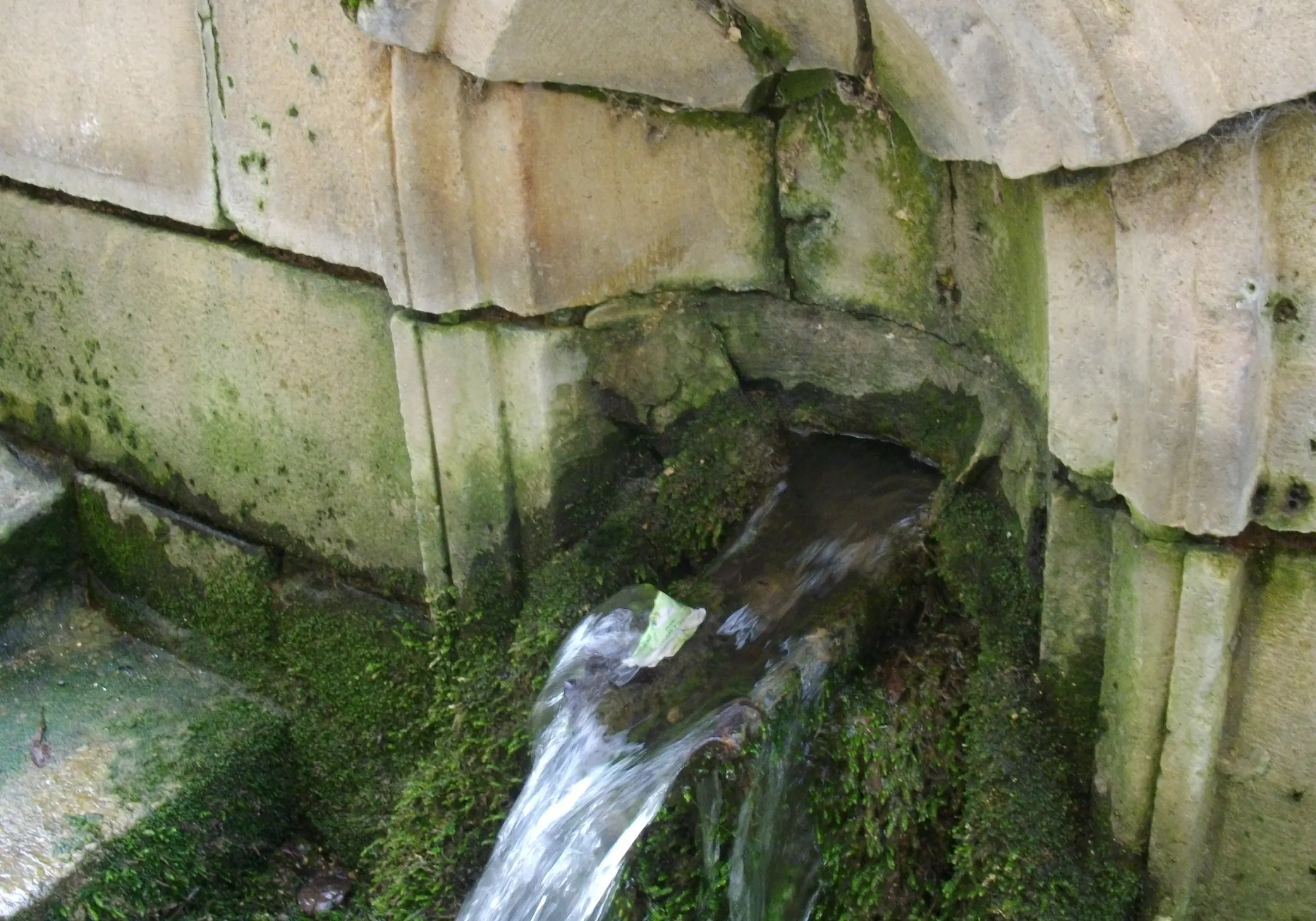
Saint-Martin at Vertus stands over the spring called the Puits Saint-Martin. Blancs-Coteaux’s municipal history places the church’s probable origin around 1080, while acknowledging uncertainty about its beginnings. The church and neighbouring abbey once belonged within the enclosure of the counts’ castle. Water, religious buildings and seigneurial power were therefore concentrated at a site that now appears as a parish church on rue de l’Église.
A fire ravaged the abbey in 1167. With Count Henri I’s agreement, the canons rebuilt beyond the enclosure as Notre-Dame Abbey, and Saint-Martin became a parish church. Henri founded the collegiate church of Saint-Jean in 1188; Saint-Jean burned in 1230. After the Revolution, Saint-Martin was the only Vertus church left standing. Notre-Dame’s site became the cemetery, while its name survived at Maison Werlé’s Vendangeoir Notre-Dame. The surviving church preserves one part of a much larger religious landscape.

Village landmarks beyond the cellar door
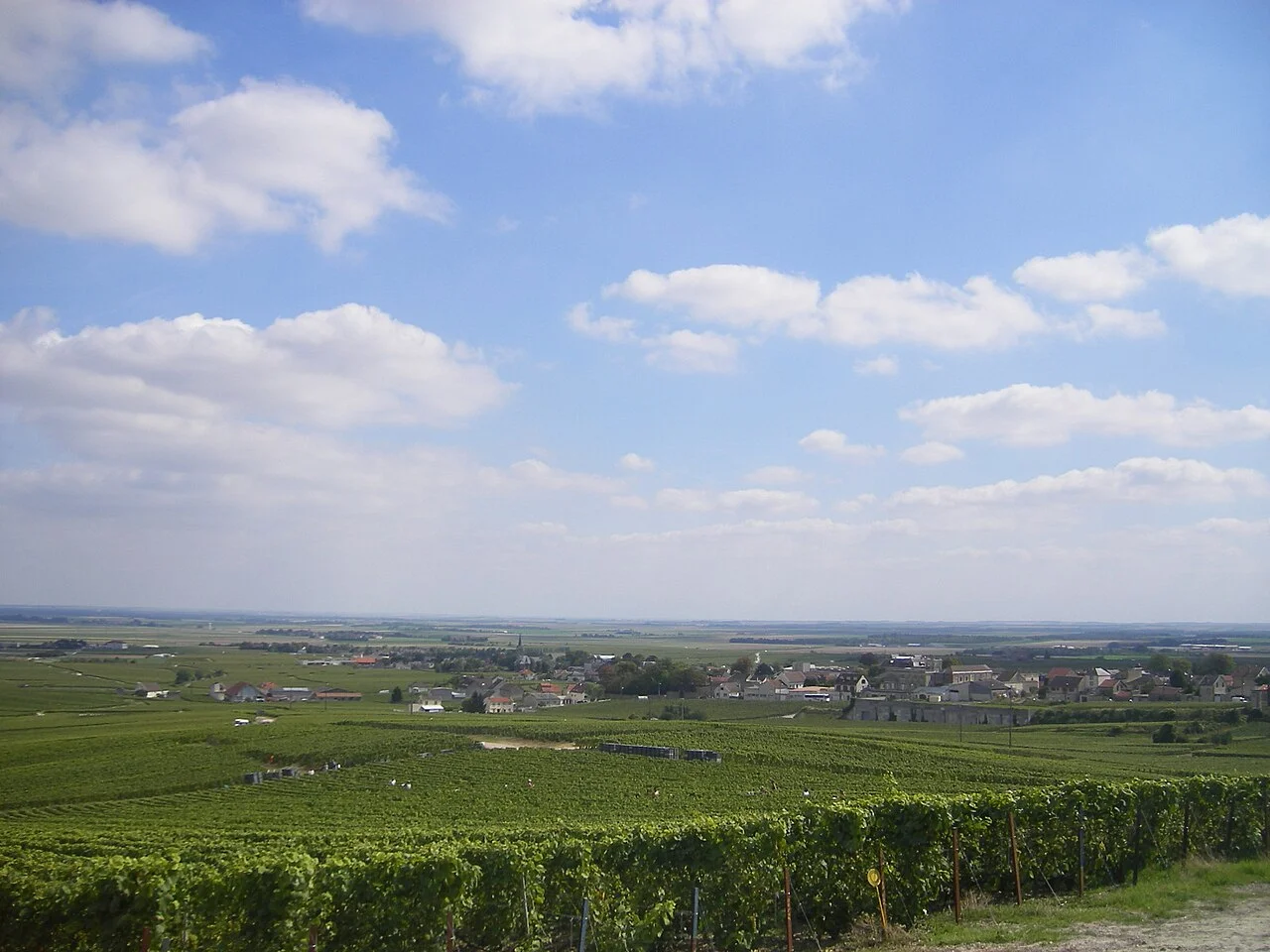
Le Mesnil-sur-Oger’s Saint-Nicolas church stands on rue de l’Église, where the tourist office also identifies a replica of the Lourdes grotto. At Oiry, 19th-century wash houses follow the Tarnauds watercourse. These named buildings record functions beyond winemaking: worship, water supply and communal washing. Their survival broadens the history of the Côte des Blancs beyond the houses whose names appear on bottles and whose addresses dominate modern wine maps.
Avize preserves another sort of wine-related property. The neoclassical house now occupied by Les Avisés, at 59 rue de Cramant, has been associated with wine production since 1805. Its later conversion to a ten-room hotel and restaurant is a documented reuse of a production-linked residence. The building’s 1805 association is not a foundation date for the present hotel. That distinction gives a useful way to read village houses: architectural history, former occupation and the current business can each begin at a different moment.
Salon and a single village
Eugène-Aimé Salon’s first vintage was 1905. His Champagne focused on Le Mesnil-sur-Oger and Chardonnay, creating a blanc de blancs around the taste of one man and one village. The house’s own account says the wine was initially made for his personal pleasure and was shared more widely from the 1920s. Those two dates distinguish the beginning of production from its development as a commercial Champagne.
Salon’s story makes Le Mesnil a particularly revealing village in the history of Champagne styles. A white-grape wine from a named place offered a different proposition from a regional blend of grapes and villages. Delamotte, now also based in Le Mesnil-sur-Oger, has an earlier foundation: François Delamotte established his house in Reims in 1760. Its Reims origin and present Côte des Blancs location should be kept separate. Together these houses show how both individual terroirs and later relocations helped shape the district’s reputation.

Cramant and the rise of independent bottling
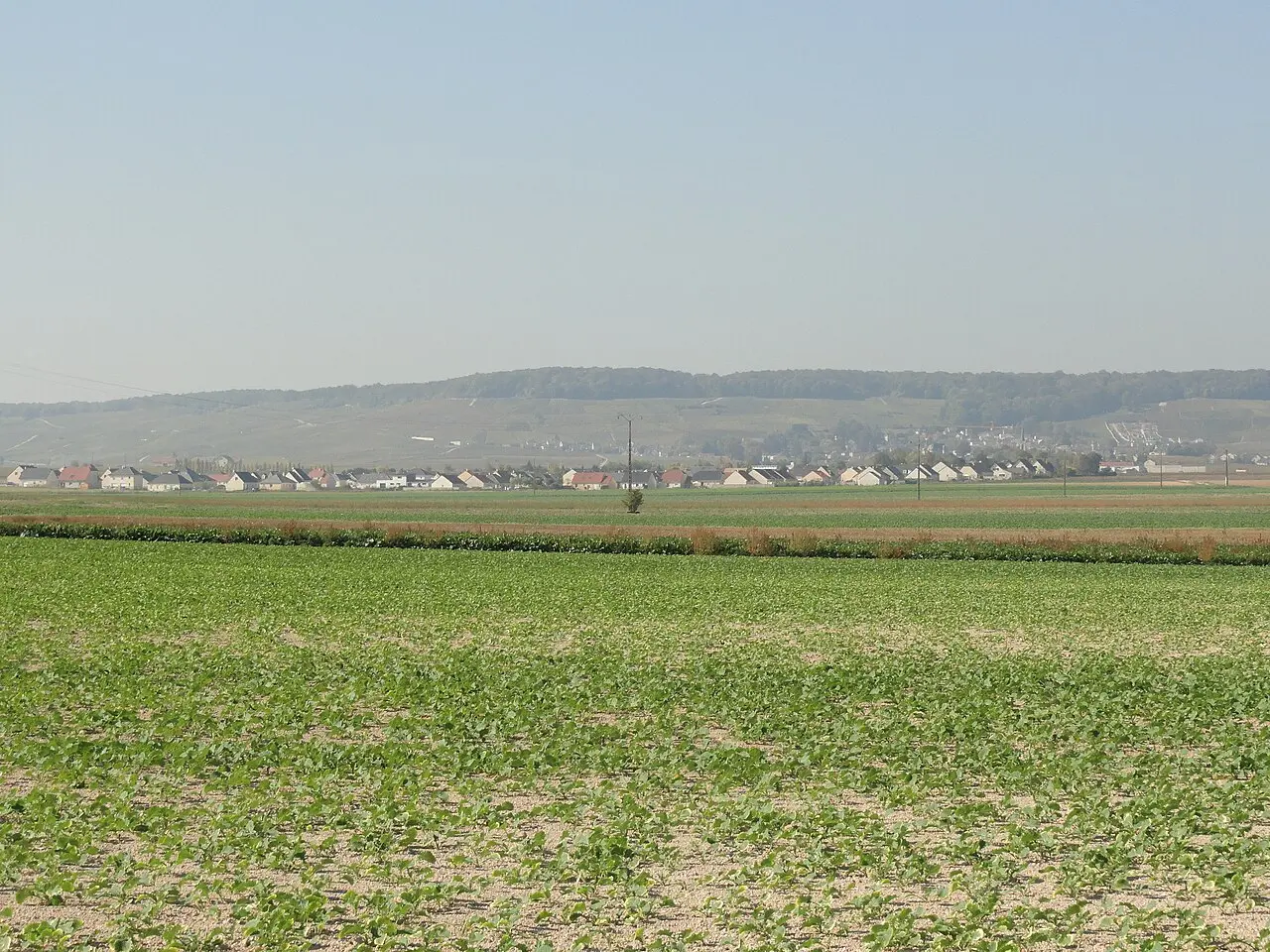
Fernand Bouquemont founded the business that became Champagne Bonnaire in 1932. The Épernay tourist office identifies him as Jean-Louis Bonnaire’s maternal grandfather and places the estate in Cramant. It describes a vineyard of twenty-two hectares, predominantly Chardonnay. The 1932 foundation gives a firm family milestone within a village whose name also appears in wines made by businesses based elsewhere in Champagne.
Bonnaire’s producer status is récoltant-manipulant, the grower-maker category recorded by the tourist office. That status distinguishes cultivation and winemaking within a family business from an assumption that every vineyard simply supplies a larger house. Its address at 120 rue d’Épernay is a working producer’s site in Cramant. The business history, vineyard holdings and family relationship together provide a more precise picture of the district’s development than the loose phrase “grower Champagne” alone.
The De Sousa family arrives in Avize
Manuel De Sousa, a Portuguese veteran who served at Verdun during the First World War, settled in Avize. The estate’s history records his death in 1929, leaving his widow with four children. It also recalls the difficulties of the wine crisis in 1930–1935 and the imprisonment of Erick De Sousa’s father during the Second World War. This family chronology places migration and two wars within the history of a Côte des Blancs producer.
The cellar story continued through changes in technique. De Sousa dates its use of small oak barrels for old-vine grapes to 1995 and describes manual riddling in cellars at 10°C. The range includes the named 3A blend, combining Avize, Aÿ and Ambonnay. Its Avize component comes from vines over fifty years old and is vinified in 225-litre barrels. The bottle therefore connects the family’s Avize base with other Champagne villages, while its production choices add a later chapter to the founding story.

Eight generations and new ways of working
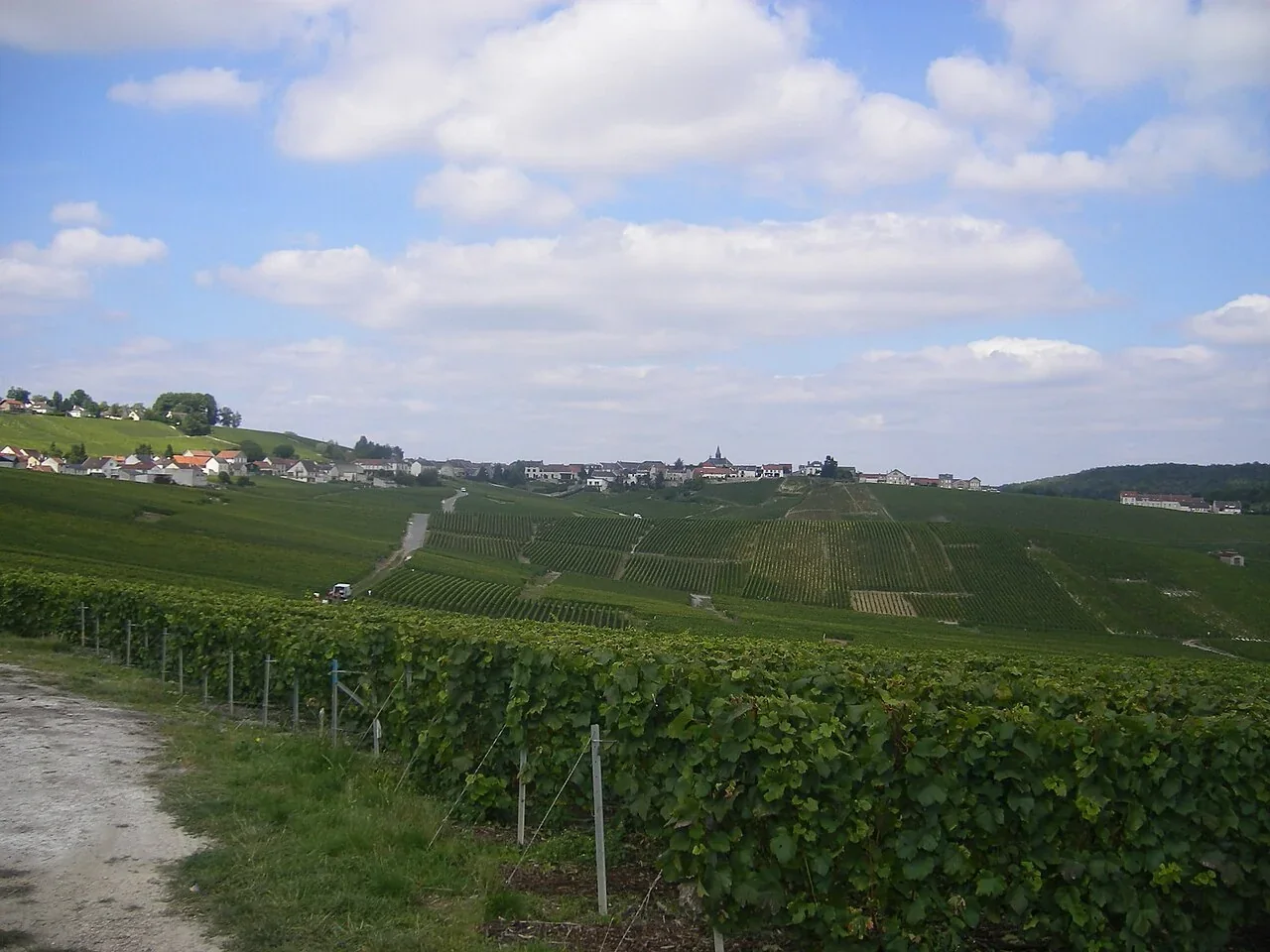
Larmandier-Bernier traces its family chronology to 1765. The present name dates from 1971, when Philippe Larmandier and Elisabeth Bernier combined their family vineyard backgrounds and built a cellar in Vertus. Pierre and Sophie joined in 1988; their sons Arthur and Georges arrived in 2017 and 2021. These dated steps explain the estate’s description of eight generations without turning a remote family origin into the foundation date of its present business name.
The estate stopped using herbicides in 1992 and extended biodynamic farming across its vineyards in 1999; organic certification followed in 2003. A new winery opened in 2010, and another chai was built in 2025 for longer maturation in wood. Terre de Vertus has been vinified separately from the Les Barillers parcel since 1995. Vieille Vigne du Levant began in 1988 under the name Vieille Vigne de Cramant. Both cultivation and the way individual places appear in the range have therefore changed within one generation.
Chalk slopes and protected heathland
Above Oger and Le Mesnil-sur-Oger, the Pâtis preserve a different land-use history from the rows of Chardonnay below. The reserve includes former sheep pasture around the Tuilerie d’Oger. National nature-reserve designation followed in June 2006, protecting a landscape with more than three hundred permanent and temporary ponds. The word “Pâtis” itself belongs to this pastoral landscape, while the village names below belong to wine labels as well as to settlements.
The 2015 UNESCO inscription for Champagne recognises a cultural system of vineyards, production and commerce, with core components at the historic slopes, Saint-Nicaise in Reims and the Avenue de Champagne in Épernay. It does not turn every Côte des Blancs village into a separate UNESCO monument. The district’s own history remains visible in Saint-Martin’s spring, Oiry’s wash houses, Avize’s wine residences and the dated decisions of its growers: an accumulation of institutions and livelihoods across a very specific chalk landscape.

From extraction to nature conservation
The Pâtis ponds also preserve traces of extracting clay and millstone. Their conservation history has its own dated stages: botanist Marcel Bournérias drew renewed attention to the site in 1973, an ecological inventory designation followed in 1984, and a management agreement was established in 1992. The reserve’s decree of 12 June 2006 defined a protected area of 130 hectares, 67 ares and 37 centiares. The communes of Oger and Le Mesnil-sur-Oger appear in that legal boundary. Protection followed study, agreements and a specific government act; it was a new chapter in land previously used for grazing and materials.
Read Côte des Blancs: places to visit and trip planning guide
Plan your trip to Côte des Blancs
Get there
Book a tour
Select the departure point and date on the booking page. Check the meeting point, language and inclusions before paying.
Compare toursWe may earn a commission if you book through these links, at no extra cost to you.