

The day France opened its monuments
The first French event took place on 23 September 1984. Culture Minister Jack Lang’s initiative was called the Journée Portes Ouvertes dans les Monuments Historiques: an open-door day in historic monuments. Its appeal was immediate and practical, bringing people into buildings they might otherwise see only from the street. The Ministry of Culture’s history identifies that September day as the beginning of the French event now known as the Journées européennes du patrimoine.
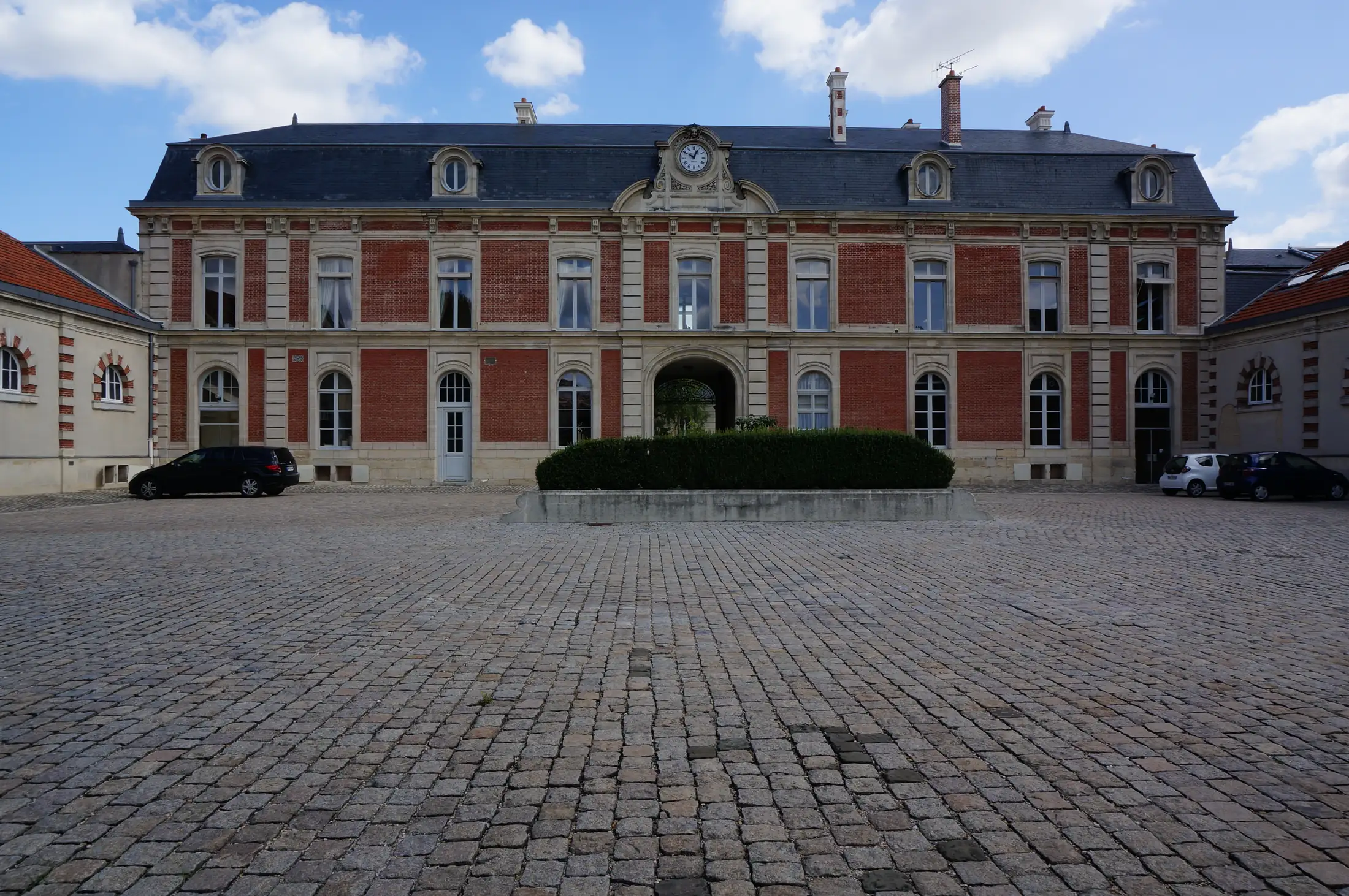
Free admission to public monuments was an early principle; many private properties offered reduced admission. This distinction still helps explain the Champagne programme. A public museum, a council building and a working Champagne house have different owners and different visitor arrangements. The September event can create an exceptional opening or a special guided route, but its title alone does not make every private cellar free. The individual venue’s dated programme defines what has actually opened.
From a French initiative to a European weekend
On 3 October 1985, at a Council of Europe conference in Granada, Jack Lang proposed extending the idea across Europe. The French ministry’s chronology then records the Council of Europe’s institution of European Heritage Days in 1991. In France, the name changed to Journées nationales du patrimoine in 1992 and to Journées européennes du patrimoine in 2000, under Culture Minister Catherine Tasca. The familiar modern title therefore belongs to a sequence of changes, not the name printed on the original 1984 invitation.
The Council of Europe’s account dates its launch of the European Heritage Days programme to 1991 and the joint action with the European Commission to 1999. Other official programme summaries use 1985 for the initiative’s European beginnings. Both dates have a place in the story: the 1985 proposal and early European development preceded the 1991 programme milestone. The 1999 partnership made the event a joint European Union–Council of Europe action, continuing beyond its French origins.

A family of locally organised events
England joined this wider tradition with Heritage Open Days in 1994. Its own history records 701 events at launch and more than 5,000 today, organised across public, private and voluntary bodies. A UK visitor may therefore recognise the principle while meeting different dates and arrangements in France. Heritage Open Days and Journées européennes du patrimoine share European roots, but they are not one identical timetable or one cross-border admission scheme.
The French ministry’s chronology records participation by thirty-four countries in 1993 and fifty in 2010. The Council of Europe’s programme describes September weekends in participating states, with numerous normally closed sites opening to the public. The growth was geographic as well as numerical: industrial sites, administrative buildings, gardens and private properties joined the more familiar historic monuments. In Champagne, that broad definition makes room for the architecture and working heritage of wine production as well as churches and châteaux.
Champagne gains two different World Heritage stories
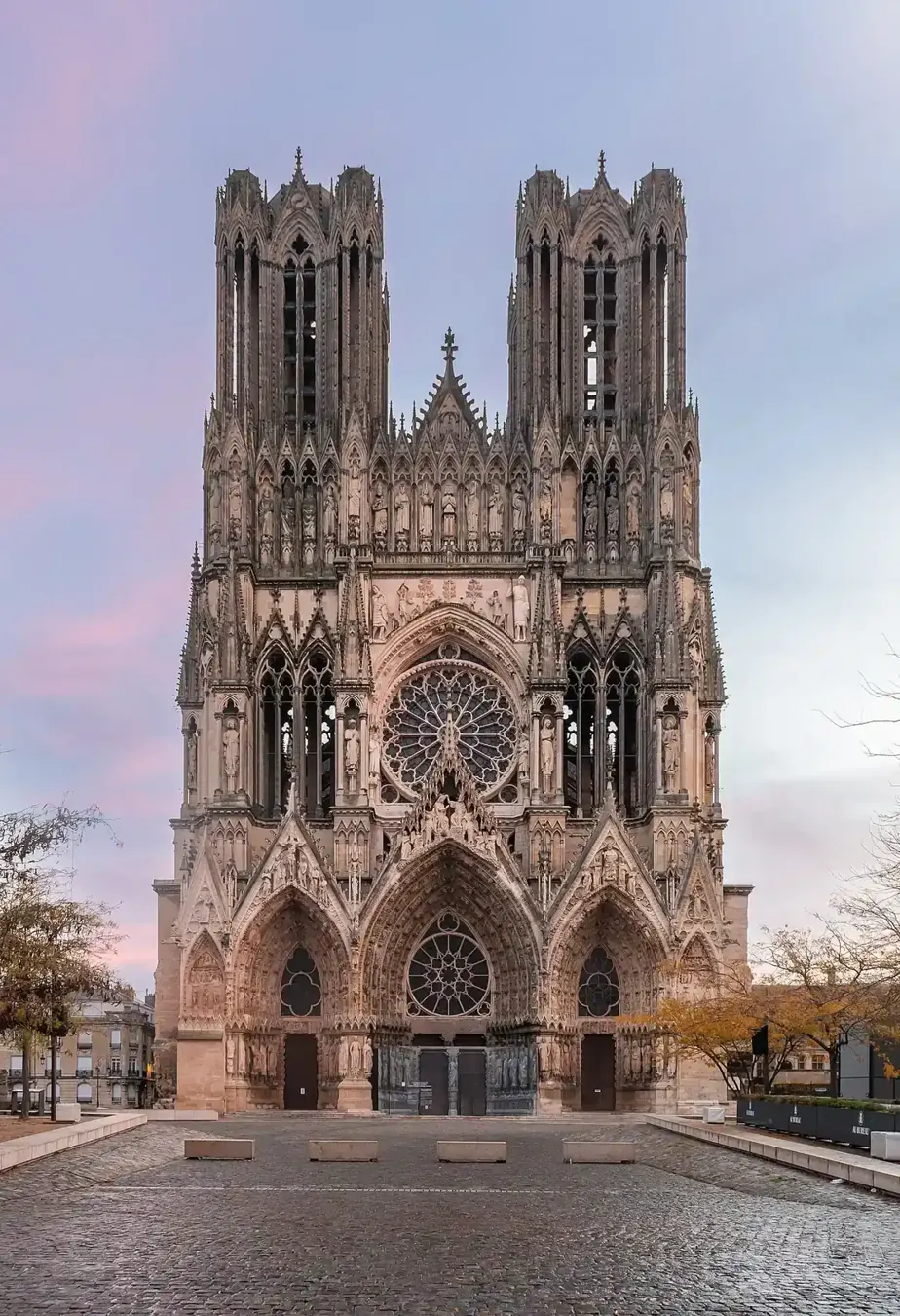
Reims cathedral, the former Abbey of Saint-Remi and the Palace of Tau entered UNESCO’s World Heritage List in 1991. That grouping recognises a history of coronations, religious architecture and royal ceremony. It gives a Reims heritage weekend a setting quite different from the industrial wine landscape around a Champagne house. UNESCO inscription and Heritage Days are separate systems: one is a permanent international designation, while the other is a dated programme of openings and activities.
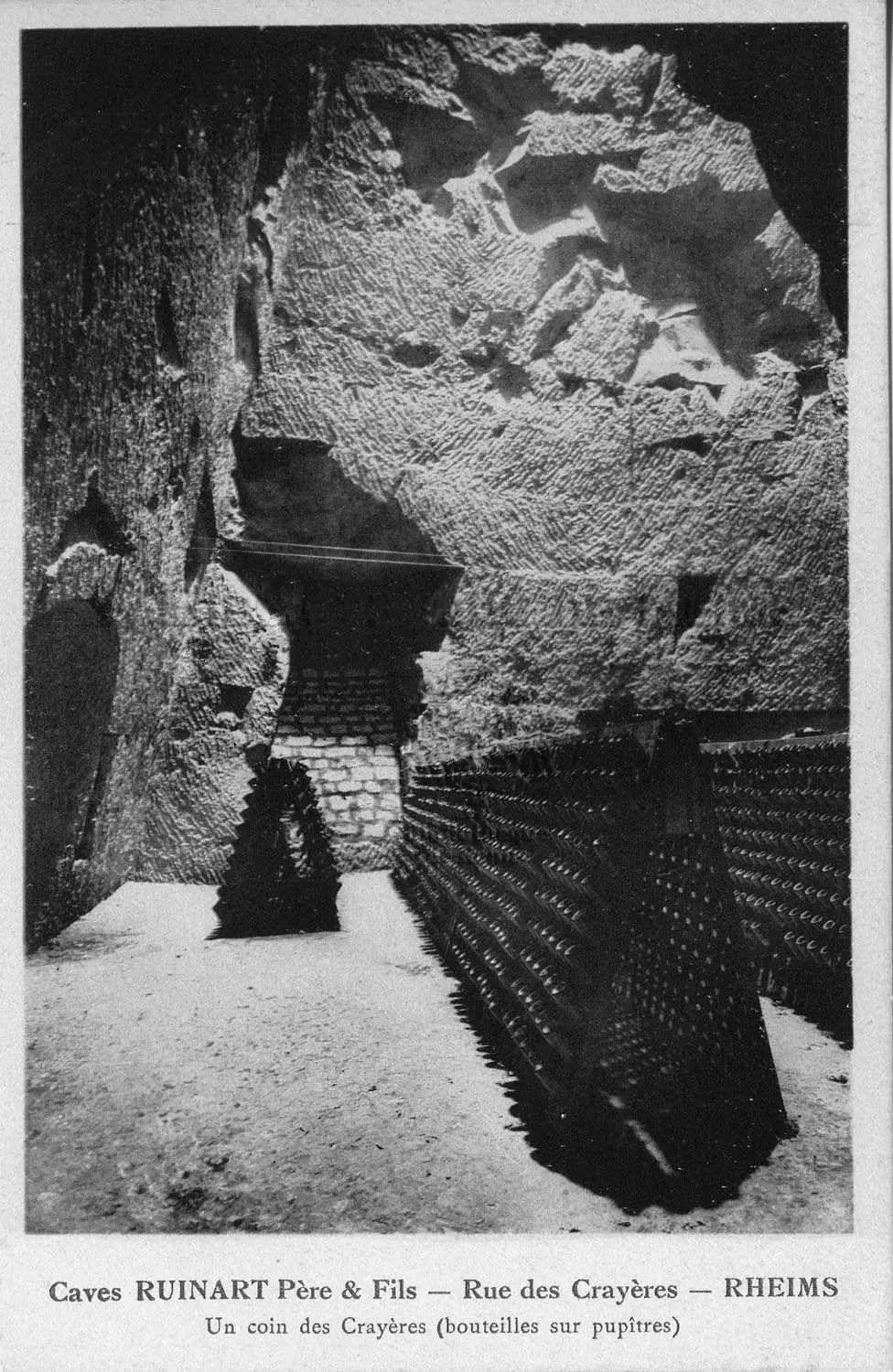
Champagne Hillsides, Houses and Cellars followed on the World Heritage List on 4 July 2015. Its three groupings are the historic hillsides, Reims’s Saint-Nicaise hill, and Épernay’s Avenue de Champagne with Fort Chabrol. The connection between vineyard work, underground storage and the buildings of trade is central to the inscription. A September programme can illuminate those relationships through a cellar, a former merchant’s residence or a landscape walk, without treating all Champagne heritage as one kind of building.

2025: architecture and the centenary of an avenue
The forty-second French edition ran from 19 to 21 September 2025, with Friday dedicated to school audiences and the public weekend on 20–21 September. Its national theme was architectural heritage. The government connected that choice to two anniversaries: fifty years since the 1975 European Architectural Heritage Year and one hundred years since the 1925 Paris International Exhibition of Modern Decorative and Industrial Arts. For Champagne, the theme fitted both monumental buildings and the working architecture of wine.
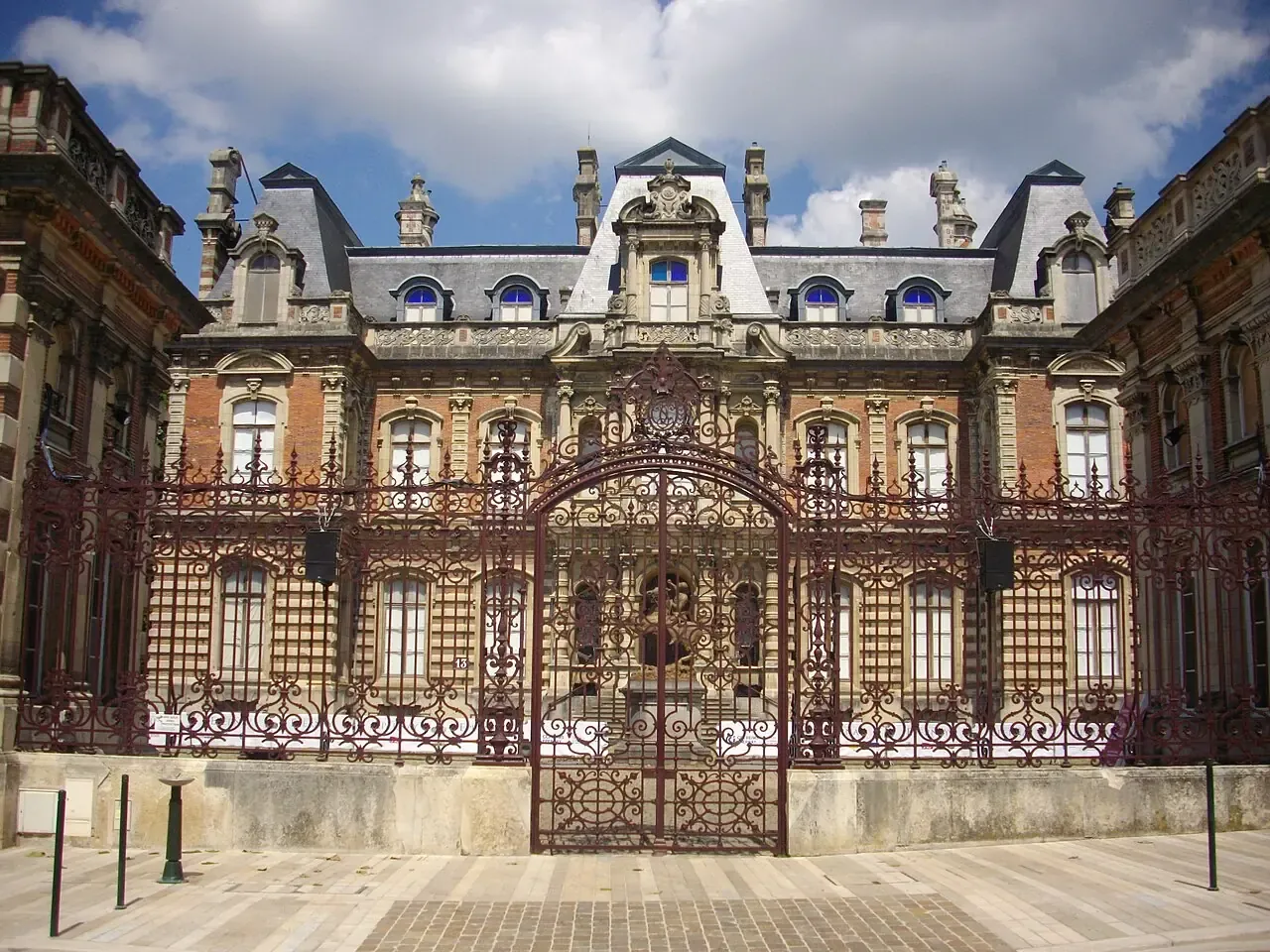
Épernay had another architectural anniversary in 2025: one hundred years of the Avenue de Champagne name. The municipal museum’s Heritage Days programme explored the avenue, Château Perrier and its occupants on 20–21 September. Visitors could enter the collections free of charge, join short visits and family activities, follow a trail or attend a cross-conference with Champagne houses. The event turned a national theme into a close look at one recognisable street and the people who had inhabited it.
Ten-minute visits and a museum’s changing programme
The Musée du vin de Champagne et d’Archéologie régionale advertised ten-minute flash visits on both afternoons of its 2025 Heritage Days weekend, between 14:30 and 17:30. Works in the museum became starting points for the story of Château Perrier and the avenue. The short format is an example of how the open-door event has developed beyond simply unlocking a building: mediators connect objects, former residents and the surrounding street in a deliberately compact encounter.
The museum’s own archive places that weekend among other dated activities. It lists Heritage Days on 21–22 September 2024, the exhibition Vignes en Champagne: innovations et encépagement from 19 March to 12 May 2025, and Et soudain le champagne! from 15 October 2025 to 6 April 2026. These are separate programmes, not a single annual exhibition. Together, the entries show the September opening as one part of a continuing local conversation about Champagne’s vineyards, objects and cultural history.
2026: photography and heritage in danger
The forty-third edition’s public weekend fell on 19–20 September 2026. Two themes were announced: photographic heritage and heritage in danger, expressed as reviving, resisting and reimagining. France’s tourism agency linked the photography theme to the bicentenary of photography. That choice expanded the focus from a building’s exterior to the images and archives through which changing monuments, landscapes and communities have been recorded. The 2026 programme is a completed edition, not a future booking invitation.
The 2026 DILCRAH announcement looked back to more than 18,500 places opening and almost 7.4 million visits in France in 2025. These are the figures reported in that government notice, not counts of Champagne visitors. The distinction matters when reading the event’s growth: national attendance demonstrates scale, while a particular house or museum still has its own capacity, reservation process and opening hours. A large national event can contain very small, carefully timed visits.
A special cellar route is a dated opportunity
Mumm’s 2026 Heritage Days offer provides a Champagne-house example. Its dated programme offered a ninety-minute guided visit with one tasting at €19, including Maison Cordon Rouge and parts of the cellars usually inaccessible to the public. That was a special September product, separate from the standard Cordon Rouge visit. It shows the continuing force of the 1984 idea: an established venue can reveal a different part of itself for one edition, even when it already welcomes visitors throughout the year.
The Champagne Heritage Days visitor guide gathers the official programme links for Reims, Épernay and the wider region. For a future edition, choose the named venue and its published session before arranging travel. The history from 1984 to 2026 is a history of particular doors opening under particular conditions; its most rewarding moments often come from a specific room, archive, maker or cellar passage included in that year’s local programme.
Plan your trip to Champagne
Get there
Book a tour
Select the departure point and date on the booking page. Check the meeting point, language and inclusions before paying.
Compare toursWe may earn a commission if you book through these links, at no extra cost to you.