

2019: a new way to tell the coronation story
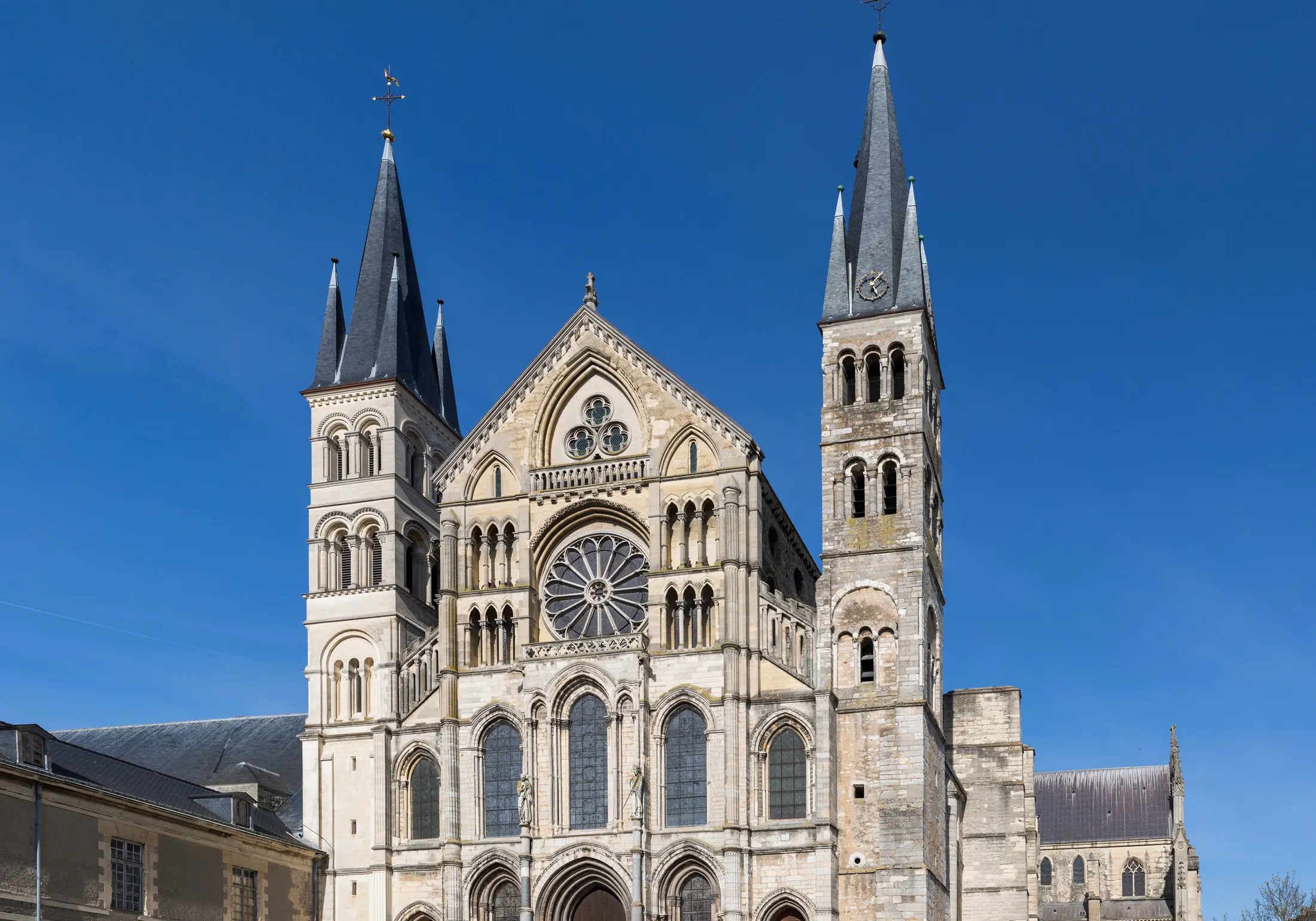
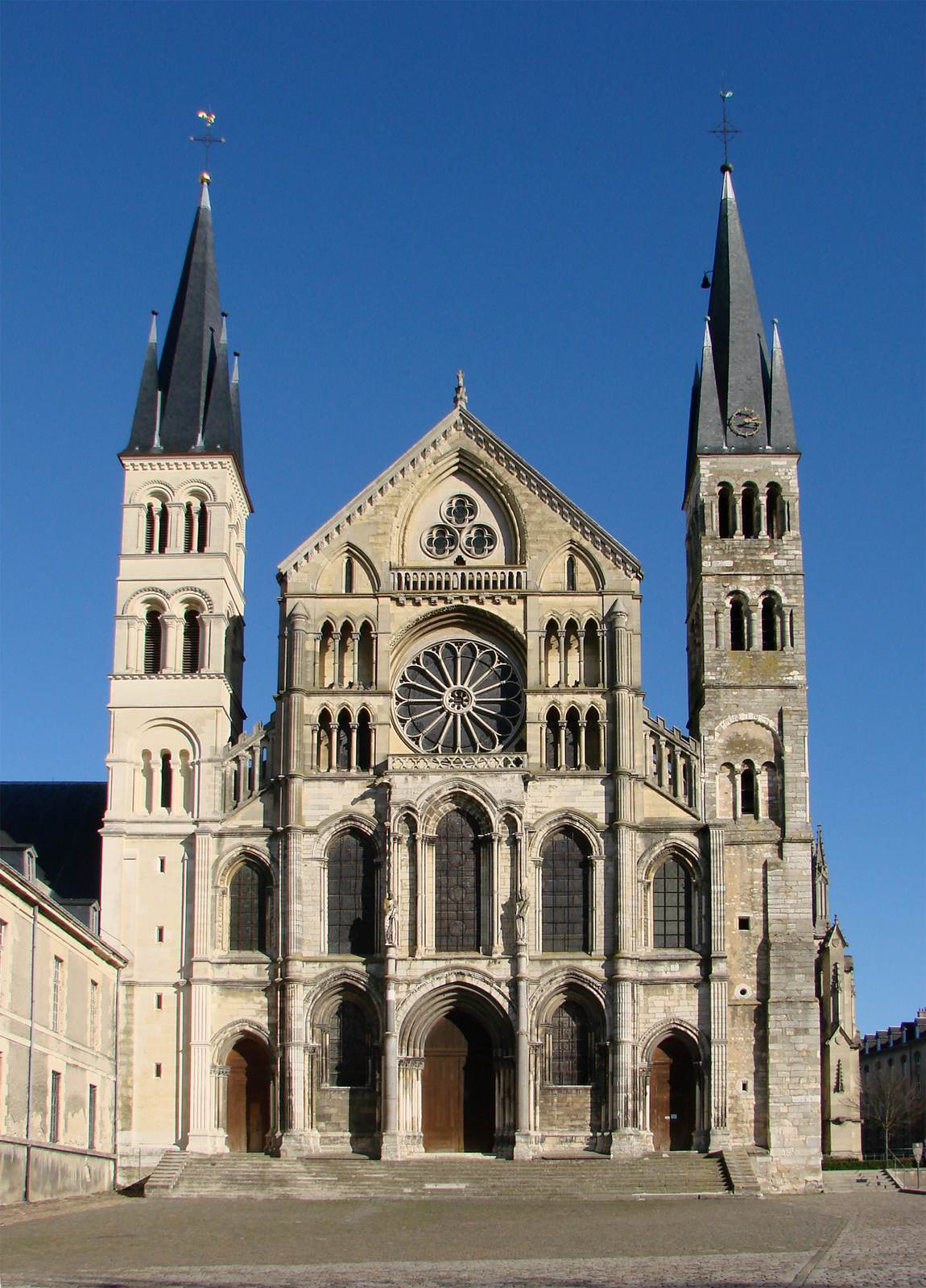
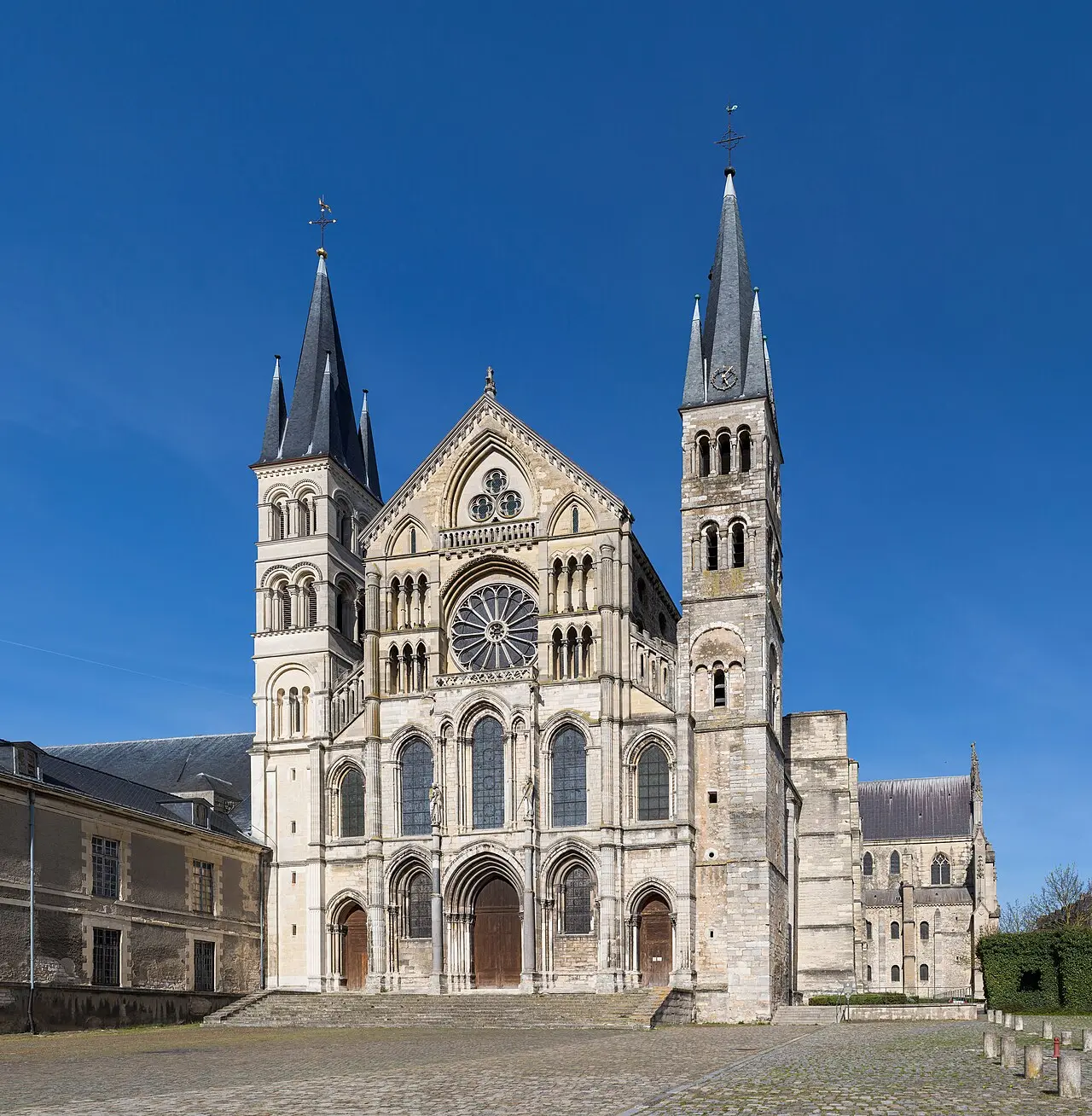
Regalia arrived in Reims in 2019 as a new multimedia account of a royal coronation day. The city commissioned Moment Factory, whose Paris studio developed the experience across Notre-Dame Cathedral and Saint-Remi basilica. The production combined video projection, music and interactive elements, giving the two monuments parts in one story. Reims tourism’s 2019 activity report describes it as the successor to Rêve de Couleurs, the earlier cathedral illumination. Its royal subject was old; its visual language belonged to a new production.
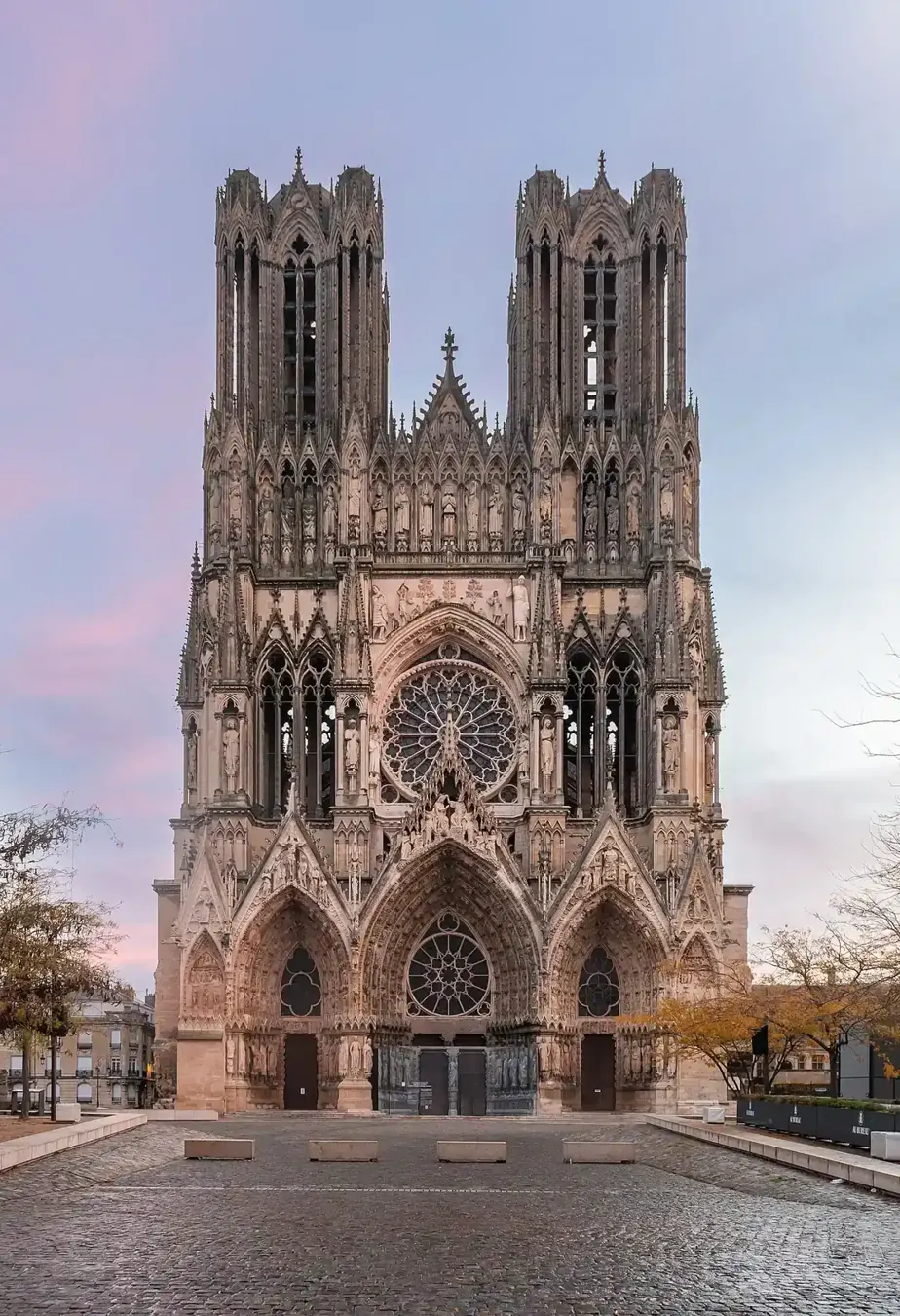
The original cathedral chapter invited the audience to try historical questions, using clues projected onto the façade, before the coronation narrative began. The creator describes the concluding image as a dove carrying the Holy Ampulla. Guillaume Brière composed the original musical track, with contributions from local composers and arrangers and the Maîtrise de la Cathédrale de Reims. That combination of electronic production and a cathedral choir placed contemporary Reims musicians inside a story about the city’s royal past.
The cathedral façade is an unusually meaningful surface for this subject. UNESCO’s description stresses the way Reims’s thirteenth-century architecture and sculpture form one composition, including the Coronation of the Virgin above the central portal. In daylight the sculpture already speaks about authority, ceremony and faith. Regalia adds moving images after dark, drawing its subject from the same coronation heritage that made the cathedral, Palace of Tau and former Saint-Rémi abbey a World Heritage property in 1991.
2020 recognition, followed by Saint-Remi in 2021
Regalia received a People’s Choice award in the 2020 CODAawards. The awards announcement named three public-choice winners: Regalia at the Reims Cathedral, Flores del Desierto in New York and Barbara Walker Crossing in Portland. This was recognition for a public-art commission, alongside the programme’s juried categories. Moment Factory’s own portfolio records the Reims award under its liturgical work. The date is a milestone in the production’s reception, between the cathedral launch and the basilica extension.
Reims’s 2019 tourism report anticipated a second chapter at Saint-Remi in 2020. The city’s later production and patronage pages record the basilica’s first projection on 1 July 2021. The realised date matters more than the initial forecast when following the show’s development. Regalia became a two-location experience in stages, with the basilica offering the celebration after the solemn coronation sequence at Notre-Dame.
The creator’s basilica concept uses two façades. Its south-side mobile activity introduces a symbolic mission connected with the historical narrative; the west-side projection presents the night of celebration that follows a new king’s arrival. Together with the cathedral sequence, it turns movement through Reims into part of the design. The original interactive features are documented as production history here; the current performance listing supplies the features and chapter operating on a particular evening.

Why the story begins at Reims
The Centre des monuments nationaux dates Louis the Pious’s coronation at Reims to 5 October 816. The city’s ceremonial reputation drew on the baptism of Clovis by Bishop Rémi around the end of the fifth century. Regalia’s king is therefore part of a long tradition of linking monarchy with this place. The show’s coronation imagery has a specific local source, with Notre-Dame and Saint-Remi representing different parts of the relationship between ruler, church and city.
The historical ceremony could last more than five hours. The monarch was anointed with oil associated with the Sainte Ampoule and received the regalia, the symbolic royal objects from which the show takes its name. A feast followed at the Palace of Tau beside the cathedral. A short projection necessarily concentrates those rites into a visual sequence: the oil, the dove and the king carry associations that once belonged to a much longer day.
Not every French ruler followed the Reims pattern. The monument authority identifies Henri IV’s coronation at Chartres on 27 February 1594 and Napoleon’s imperial coronation at Notre-Dame de Paris on 2 December 1804. Those exceptions keep the royal story precise. Regalia celebrates Reims’s place in coronation history; it does not mean that every king or emperor was crowned beneath the façade used by the production.
The dove, the broken ampulla and the final coronation
The dove in Regalia refers to the legend of the Holy Ampulla, the vessel of sacred oil associated with Clovis’s baptism. The legend connected the anointing of later kings with a divinely sanctioned beginning. Saint-Remi’s role was especially important because the abbey kept the ampulla and participated in the ceremony’s opening and closing stages. The production’s two locations therefore follow an actual ceremonial connection, not just a choice of attractive church façades.
The ampulla’s later history includes a dramatic break. During the French Revolution in October 1793, the conventionnel Rühl destroyed the original reliquary and much of its contents at the foot of Louis XV’s statue on place Royale. The Palace of Tau’s account distinguishes reports of fragments and oil being saved from the documented replacement reliquary. In 1819 Archbishop Jean-Charles de Coucy commissioned royal goldsmith Jean-Charles Cahier to make a new container, completed in 1820.
That Restoration-era object accompanied the return to coronation ritual under Charles X, crowned at Reims on 29 May 1825. The reliquary’s rock-crystal vessel no longer contains the chrism: Cardinal Luçon transferred it to a small bottle in 1906. The monument authority records a later use of the balm for the cathedral altar’s consecration in 1937, after restoration following the First World War. These surviving objects and remembered ceremonies give substance to the glowing ampulla on the screen.

The celebration after the ceremony
The Palace of Tau was the archbishop’s residence and the king’s lodging during the coronation visit. The royal procession left from the palace and the great feast took place there after the cathedral service. Its surviving ceremonial spaces explain why Regalia separates solemnity from celebration. The show’s second chapter at Saint-Remi is a modern artistic telling of festivities, while the palace’s collections preserve material evidence of the royal day.
The palace also records a Champagne connection to the coronation of Louis XV in 1722. Sparkling Champagne was served at that coronation celebration, when the king was twelve. A bottle associated with the occasion bore the image of a dove carrying the ampulla and a reference to the coronation. Sixteen dozen bottles were presented on the king’s arrival in Reims, with an example preserved in the palace’s collections. Wine, sacred imagery and royal hospitality already met in one object long before digital projection.
An evolving evening in a living city
The 2026 Regalia season was announced as beginning on 29 May. Reims describes the public show as free and without a reservation requirement. Exact performances belong to the dated programme, and an unresolved difference in published season-end information is left out of this history. The cathedral’s 2019 launch, the 2020 award and Saint-Remi’s 2021 extension are secure milestones; they should not be turned into an assumed annual timetable.
See the buildings before dark if you want to connect the projected story with their permanent sculpture and surviving ceremonial spaces. Notre-Dame, Saint-Remi and the Palace of Tau form the 1991 UNESCO property; Regalia is a modern presentation across two of those sites. The Regalia visitor guide carries the current official programme links. With the historical ampulla, the royal procession and the 1825 final coronation in mind, the appearance of a dove on the façade becomes much more than a decorative light effect.
The Louvre catalogues an 1831 workshop version of François Gérard’s depiction of Charles X’s coronation on 29 May 1825. Its inventory number is INV 4753. The painted ceremony offers a different medium for the same royal subject that Regalia brings to the cathedral façade: figures, ritual objects and architecture are arranged to make the coronation legible to an audience.
Plan your trip to Reims
Get there
Book a tour
Select the departure point and date on the booking page. Check the meeting point, language and inclusions before paying.
Compare toursWe may earn a commission if you book through these links, at no extra cost to you.