

A wine name recognised before bubbles
The wines of Aÿ had a distinct reputation in the sixteenth century, before the development of modern sparkling Champagne. Union des Maisons de Champagne records a letter sent in 1518 by Admiral de Bonnivet to Cardinal Wolsey, England’s chancellor, concerning twenty poinçons of Aÿ wine dispatched to him. That documented shipment places the village within an early cross-Channel wine trade.
The size of a historical poinçon varied, so the shipment cannot reliably be converted into a modern bottle total. Its significance lies in the named buyer and place: wine identified with Aÿ was reaching an English political leader centuries before the familiar Champagne labels. In 1601 the physician Nicolas Abraham de la Framboisière also praised Aÿ’s wines in his writing on wine quality.
Henri IV’s association with Aÿ survives in local stories and the name Pressoir Henri IV. The Champagne Houses association traces a royal anecdote to a collection of poems published in 1712; it should be enjoyed as part of the town’s cultural memory. The surviving building is a historic winegrower’s property, not documentary proof that every story told about the king occurred there.
A town of winegrowers and its own civic history
Aÿ received a royal charter in 1312, according to the tourist office’s Musardises heritage sheet. The charter allowed civic self-administration until the Revolution. The town’s historical identity therefore includes local government as well as prestigious wine: its inhabitants presented their liberties as a relationship with the king, alongside the work of cultivating and trading their cru.
Walls were built with the authorisation of François I and Henri IV and demolished in 1750. The enclosing boulevards still mark their line, giving a visible outline to the former fortified town. The contrast between narrow interior streets and perimeter boulevards provides a useful way to read Aÿ’s older shape while walking between the church and Champagne-house premises.
Saint-Brice is the town’s fifteenth-century Gothic church, protected as a Historic Monument. The same official heritage inventory identifies timber-framed houses, a traditional vigne en foule on rue Emmanuel Lemaître and an Art Nouveau house on rue Gambetta. These are different kinds of surviving evidence: religious architecture, domestic buildings and an older, densely planted arrangement of vines.
Maison Leboeuf, known as the Pressoir Henri IV, combines a street-facing dwelling with the working spaces needed for wine production and cellar storage. The World Heritage mission identifies that relationship as a characteristic of Champagne’s built landscape. Aÿ’s wine history is consequently present in modest domestic frontages as well as the monumental entrances of its larger houses.

Gosset and the long life of a wine business
Pierre Gosset, a winemaker and alderman of Aÿ, began a négociant business in 1584. The wines were still, predominantly red, and made using grapes from his own vineyards. That foundation is older than the modern sparkling style. It describes the beginning of a wine-trading enterprise, an important distinction when comparing claims about Champagne’s oldest houses and earliest bubbles.
Gosset’s historical Aÿ roots do not identify its present public visitor estate. The house acquired its Épernay property in 2009 and opened it to visitors in July 2021. Its current Domaine is at 12 rue Godart Roger. This move illustrates how a producer’s founding town, continuing identity and modern reception address can belong to different parts of the Champagne region.
Bollinger, Deutz and an international nineteenth century
Bollinger began trading on 6 February 1829 through an association between Athanase de Villermont, Paul Renaudin and Joseph, known as Jacques, Bollinger. The original firm occupied 16 rue de l’Huilerie. Renaudin directed cellar work while Bollinger handled sales, a division of skills that linked the Aÿ production site with markets beyond the village.
Lily Bollinger took responsibility for the house in 1941. The producer’s chronology recalls her travelling through the vineyards by bicycle during the Occupation. Her later contribution included the release of R.D. in 1967: an older vintage given extended ageing on its lees and disgorged close to sale. The initials mean Récemment Dégorgé, making production history part of the wine’s name.
Bollinger’s first Vieilles Vignes Françaises followed in 1969, using ungrafted plots that had survived phylloxera. Special Cuvée had appeared earlier, in 1911. These named wines preserve different moments in the business’s development, from establishing a recognisable house blend to making limited cuvées centred on old vines or long cellar ageing.
William Deutz and Pierre-Hubert Geldermann, both from Aachen, established Deutz in 1838. Their first Cuvée A drew on Aÿ, Verzenay and Cramant. More than 95 per cent of the new firm’s production went to Germany in that foundation year; shipments to Austria and the United States followed in 1841. Aÿ’s nineteenth-century Champagne trade was international from its beginnings.
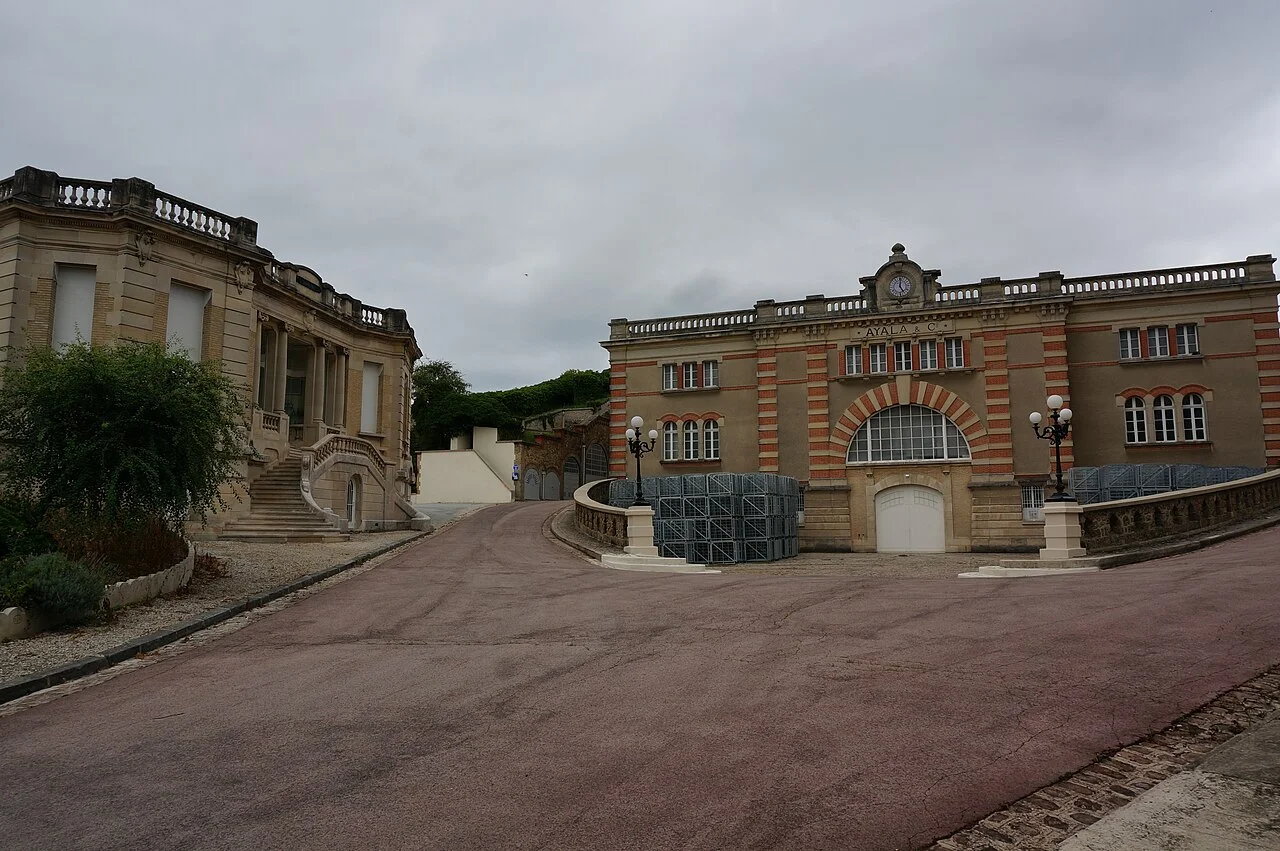
Edmond de Ayala founded his house in 1860, while his younger brother Fernand developed its English business. AYALA joined the Syndicat des Grandes Marques as a founding member in 1882. Its Royal Warrant followed in 1908. Its acquisition by the Bollinger family in 2005 and new winery in 2007 added another chapter to the relationships between Aÿ producers.

Family records, presses and changing production
The Henri Giraud family’s documented Aÿ lineage begins with François Hémart in the parish register in spring 1625. Léon Giraud married Madeleine Hémart in June 1918; they acquired the property now numbered 71 boulevard Charles-de-Gaulle. Léon enlarged the vineyard while also working for the railway, bringing a winegrowing household into contact with another major regional industry.
Henri joined his father in making Champagne after returning in 1945. A manual Daquin press with a 1,500-kilogram capacity was installed in 1948. The later Fût de Chêne wine used the 1990 harvest, with 10,000 bottles entering the cellar on 1 September 1991. These dated pieces of equipment and production records make the family’s twentieth-century changes unusually tangible.
Henri Goutorbe’s premises on rue Jeanson contain cellars built across periods from the seventeenth to the twenty-first centuries. The family also has roots in vine-nursery work, a less conspicuous part of the region’s wine economy. René and Nicole Goutorbe created Castel Jeanson in 2004, adding accommodation to a business already linked with vines, cellars and Champagne production.
Mareuil’s estates and the Marne landscape
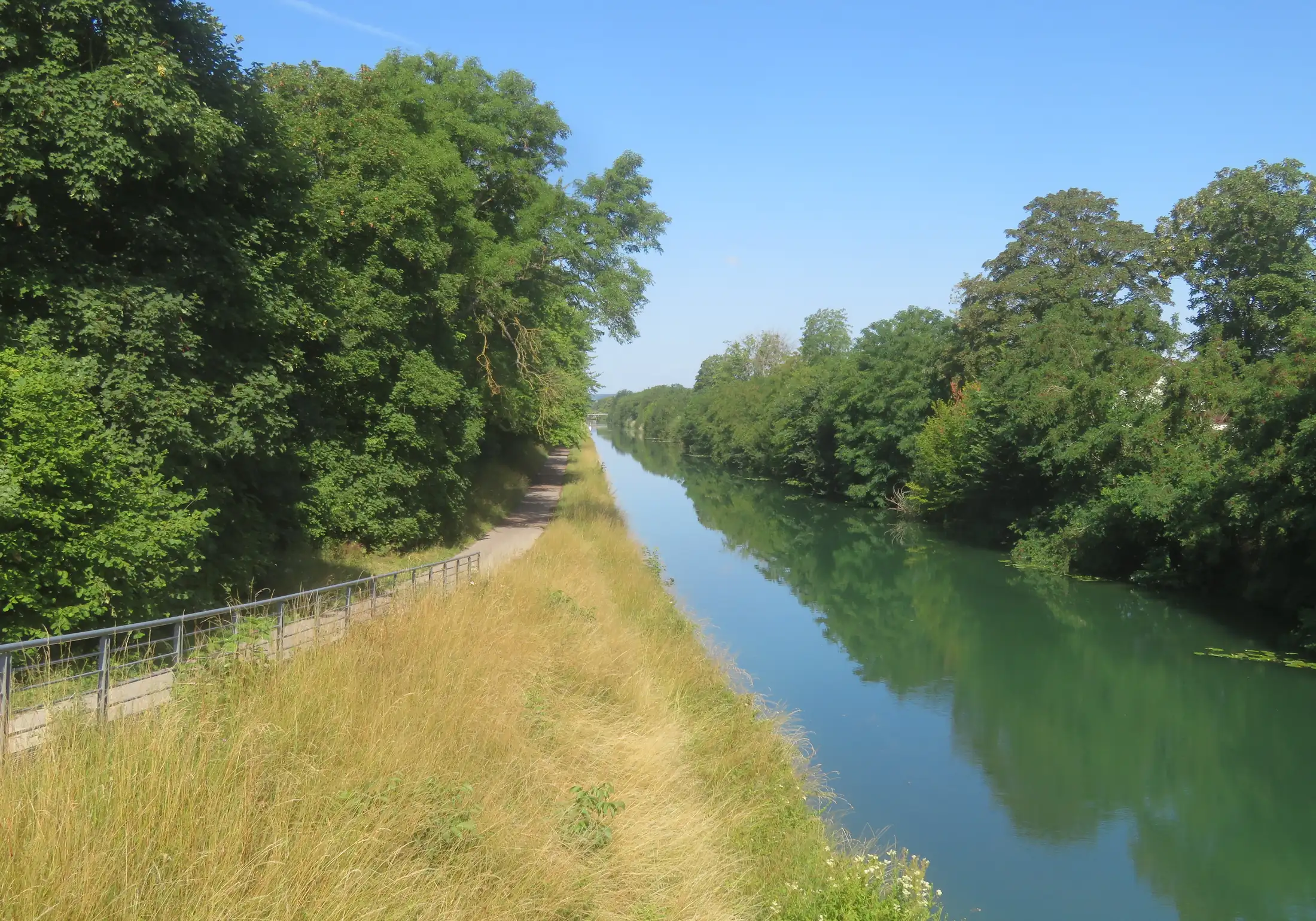
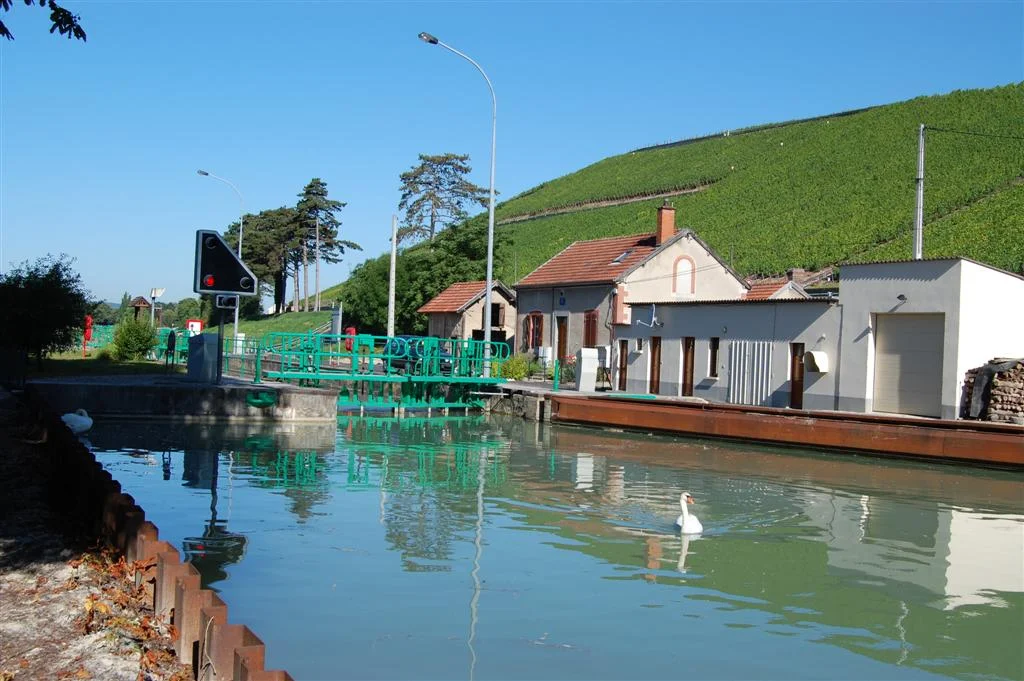
Aÿ-Champagne also includes Mareuil-sur-Aÿ and Bisseuil. Mareuil’s canal-side landscape has its own estate histories, including Château Montebello. This eighteenth-century residence became associated with the Lannes family and the Montebello Champagne business. Its remaining production buildings, cellars, reception spaces and surrounding grounds illustrate how a grand residence could combine winemaking, commerce and social display.
Billecart-Salmon was founded in Mareuil in 1818 following the marriage of Nicolas François Billecart and Elisabeth Salmon. Elisabeth’s brother Louis contributed winemaking expertise while Nicolas François developed the business. Their three names remain attached to prestige cuvées, carrying the founding family into the present range and distinguishing individual contributors within the house’s story.
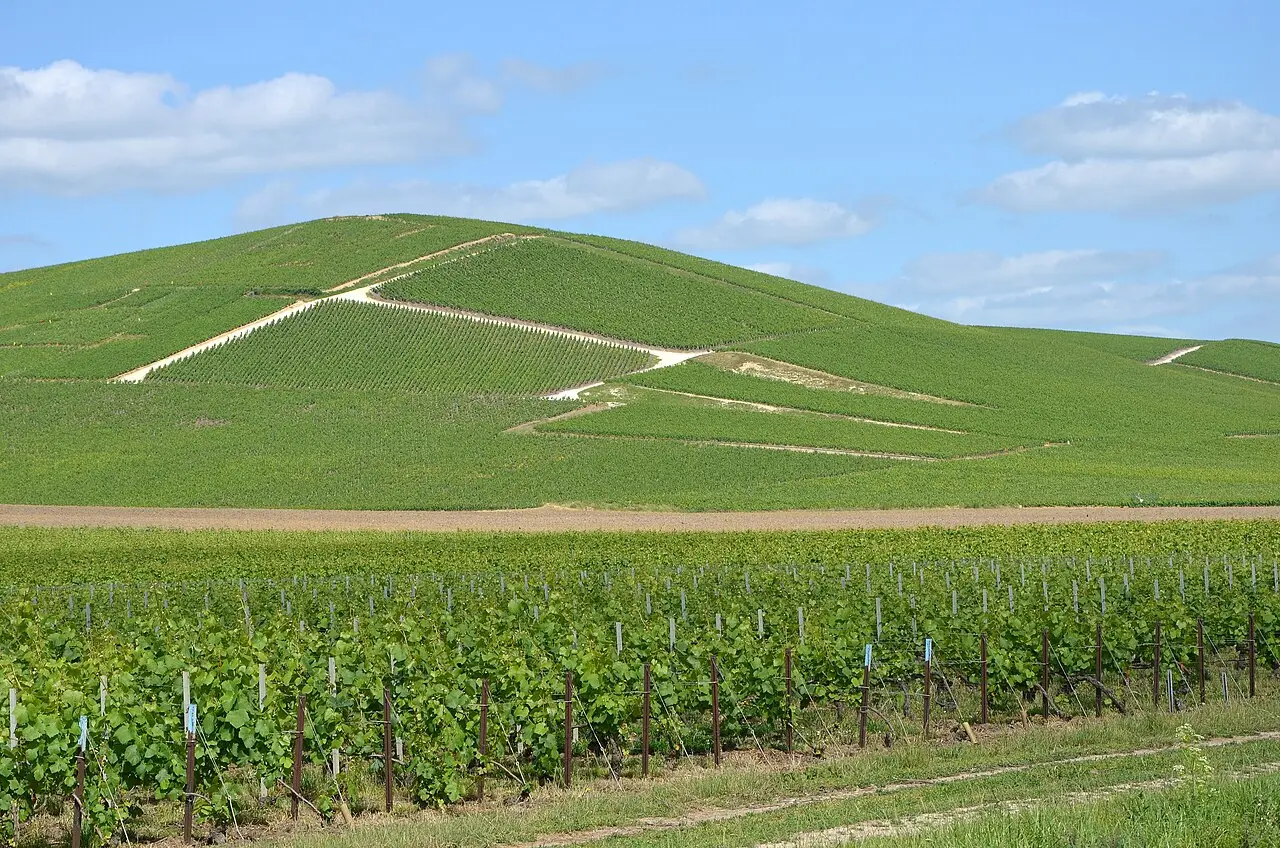
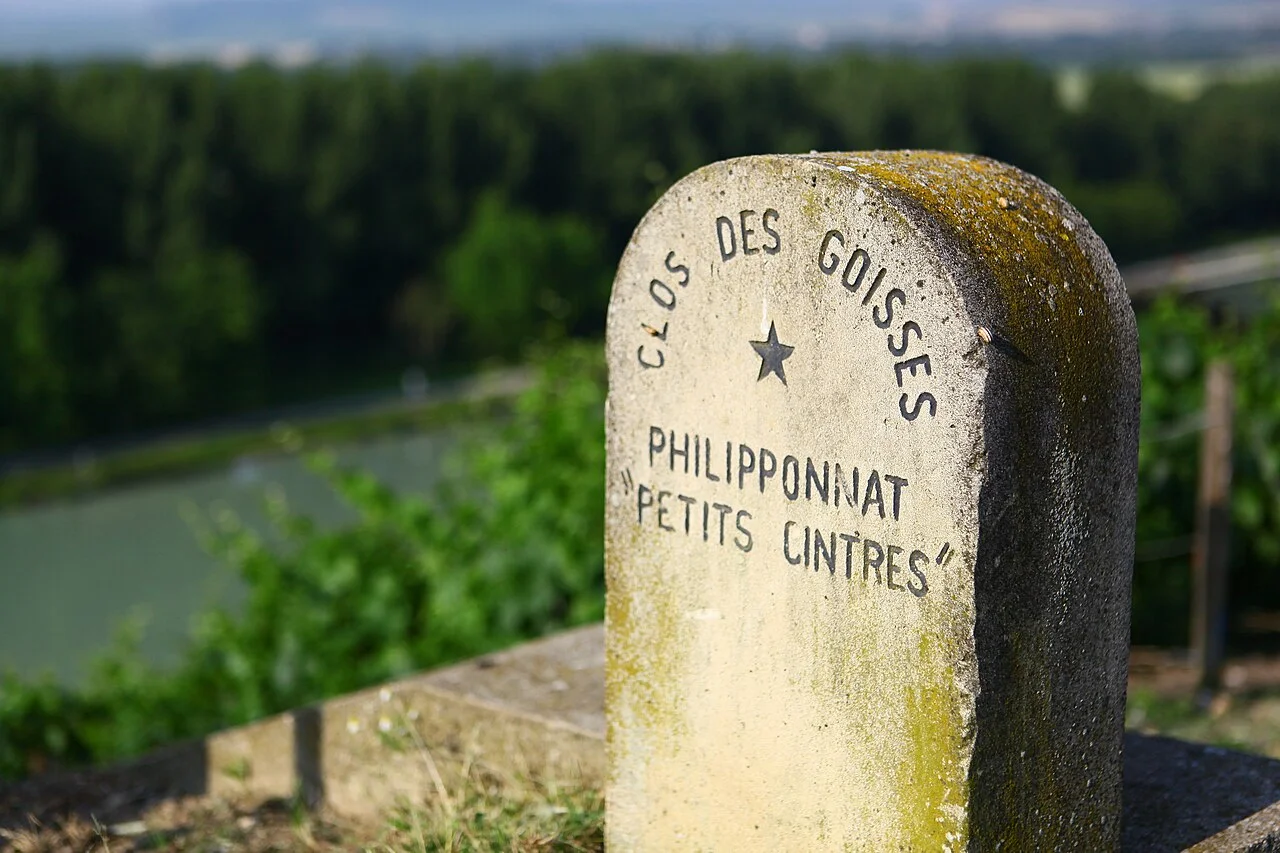
Philipponnat traces family vineyard records in Aÿ to 1522, while its modern company dates to 1910. Pierre Philipponnat’s purchase of Clos des Goisses in 1935 gave the Mareuil house its defining walled hillside. The 5.83-hectare south-facing vineyard rises above the canal, with slopes reaching forty-five degrees and chalk close to the surface.
The 1522 name on Philipponnat wines commemorates an early family record, not the production of sparkling wine in that year. This distinction echoes Gosset’s sixteenth-century foundation and Aÿ’s royal-wine stories: modern labels frequently preserve a much older relationship with land, while the wines and methods themselves have continued to develop.

René Lalique and a different artistic inheritance
René Lalique was born in Aÿ on 6 April 1860. His maternal family was established there, and the tourist office recalls childhood holidays spent walking among the vines and beside the canal with his grandfather. The artist retained the family house until his death in 1945, keeping a connection with the village beyond his international career.
Aÿ’s Lalique interpretation route uses twelve pieces of street furniture to explore his life, inspiration and works. The Esprit Lalique digital interpretation adds another way to follow that story. Alongside the Art Nouveau house on rue Gambetta, the route provides an artistic thread through streets more usually associated with winegrowers, presses and the façades of Champagne houses.
From working press house to public interpretation
Pressoria opened in July 2021 in a former Maison Pommery pressing centre at the foot of the historic slopes. Its two-part industrial site comprised a main pressing building and an annexe formerly used as the winegrowers’ home. The red brick, blue-grey plaster and Tudor-arched windows connect it with the architectural vocabulary Pommery developed from 1869 at Reims.
The former pressing centre now interprets chalk, weather, vines, harvest and winemaking through sensory installations. A mapped projection animates the historic press, while the surrounding hillside remains part of the building’s setting. The conversion gives a once-industrial structure a cultural role without severing its connection to the production landscape that first made it necessary.
UNESCO included the historic slopes around Aÿ, Hautvillers and Mareuil-sur-Aÿ in its 2015 Champagne inscription. The town’s nineteen-stop Musardises circuit, Lalique trail and Pressoria now present different aspects of that inheritance. Together they connect early wine trade, civic independence, family enterprise, art and industrial reuse within the streets and hillside of a working Champagne town.

Plan your trip to Aÿ
Get there
Book a tour
Select the departure point and date on the booking page. Check the meeting point, language and inclusions before paying.
Compare toursWe may earn a commission if you book through these links, at no extra cost to you.