

Harvest has no single region-wide opening day
The Comité Champagne says harvest dates change each year as growers monitor the balance of ripeness and acidity. Dates differ by village and grape variety; harvest is not a single fixed-date festival. Its seasons guide places harvest generally in September, with recent years sometimes beginning in mid-August.
All Champagne grapes are harvested by hand. The Comité explains that intact bunches must reach pressing centres quickly: prolonged contact between the juice and black grape skins would colour the juice. Hand picking and careful transport therefore have a specific winemaking purpose, beyond the appearance of the harvest scene.
Book an organised harvest experience
Épernay tourist office’s harvest page lists visitor experiences when producers make them available. Use the named producer, departure place and date attached to an actual listing. A public footpath beside a vineyard is not permission to join a picking crew or enter a press house.
No single 2026 start date, 2027 harvest date or visitor participation price was verified for this guide. A grower’s accepted harvest booking can change with the crop’s maturity; retain the producer’s contact details and its actual meeting instructions. The event schema treats harvest as seasonal vineyard activity, not an invented dated regional event.
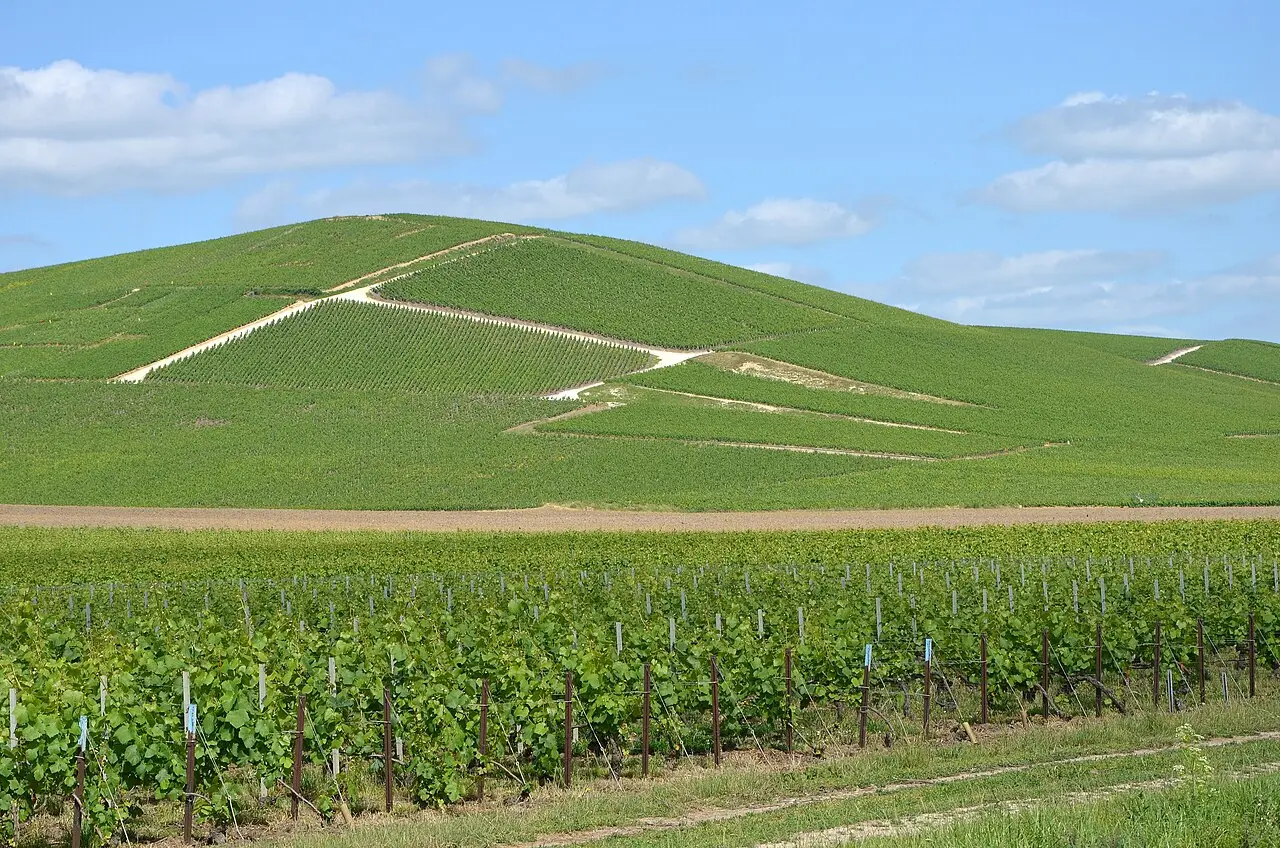

Three different vineyard contexts
The Côte des Blancs centres on Chardonnay villages including Avize, Cramant, Oger and Le Mesnil-sur-Oger. Pinot Noir is important in the Montagne de Reims and Côte des Bar. The Comité’s current regional area shares are Pinot Noir 38%, Chardonnay 31% and Meunier 31%. Those differences explain why one producer’s picking day cannot stand for every village.
For an indoor alternative, Mercier in Épernay sells a 45-minute Founder cellar visit from €25 with one Blanc de Noirs tasting (checked October 2026). A harvest booking and that cellar ticket are separate experiences: the Mercier visitor route does not include its press house or vat room.
What happens when a load reaches the press
Champagne’s traditional unit for a press load is the marc: 4,000kg of whole grapes. Comité Champagne specifies extraction of 25.5 hectolitres from that load, equivalent to 2,550 litres. The first 20.5 hectolitres are the cuvée; the following five are the taille. These terms describe separated juice fractions, rather than two different days of picking.
The Comité’s technical brochure explains that each arrival is weighed and entered in a register. The pressing log records the grape variety, cru and destination of each marc. More than 20 approval criteria introduced in 1987 cover pressing and racking capacity, daily loads, press type, hygiene and operation. Those records preserve the identity of vineyard deliveries as grapes become juice.
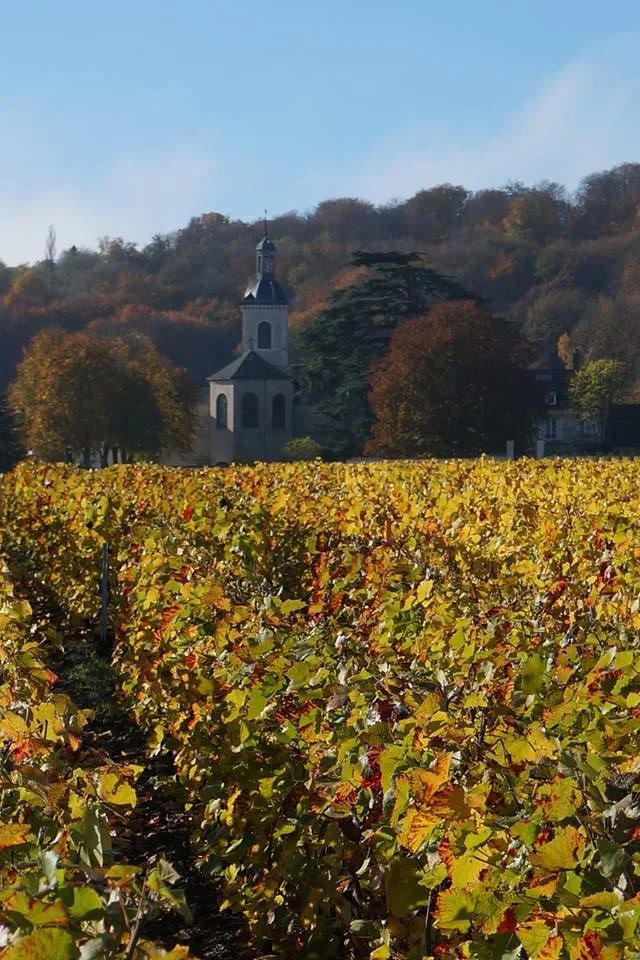

Whole bunches and separate juices
The Comité says pressing takes place as quickly as possible after picking, separately by grape variety and growth. Gentle pressing of whole clusters limits colour transfer from dark skins into juice, except when a producer deliberately makes a maceration or saignée rosé. The cellars’ chalk setting is only one part of the process: harvest logistics connect each vineyard load to an approved pressing centre.
Champagne presses have capacities from 2,000kg to 12,000kg. The Comité requires emptying and rinsing between marcs, sending pressing residues to distillation and recovering and treating washing water. Its current account says 18% of presses remain manual, while most are mechanised. A harvest demonstration at one producer may therefore use equipment very different from the traditional basket press shown in a museum.
A named grower’s technical example
Champagne Jean Vesselle in Bouzy describes two horizontal pneumatic presses with lateral membranes. Its technical account explains that a loaded press rotates through 180 degrees before compressed air inflates the membrane. After the first fraction, the membrane deflates and the press rotates to break up the compressed grapes, the operation called retrousse.
Jean Vesselle describes pressure rising in increments of 0.2 bar to a maximum of two bar, with a pressing cycle around four hours. These are that producer’s published technical details, not a visitor experience promised by every Champagne house. Ask a booked grower whether its harvest visit includes the working press; access to a tasting room alone does not establish access to production.
A vineyard base has a specific commune
For a Côte des Blancs harvest visit, the tourist office lists La Goutte d’Or at 2 rue Ernest Vallée in Avize, Hôtel Le Relais du Vigneron in Vertus and Hostellerie du Mont Aimé at 4–6 rue de Vertus in Bergères-lès-Vertus. These are three different communes; use the producer appointment’s address to choose among them.
In the Aÿ sector, Castel Jeanson is at 24 rue Jeanson in Aÿ and Domaine Sacret at 3 rue Billecart, while Le Clos Corbier stands at 5 boulevard Nicolas-François Billecart in Mareuil-sur-Aÿ. A harvest appointment at one grower does not establish transport from all three properties. Confirm the named visitor entrance and the accommodation address with the driver.
Access and facilities
For accessibility, ask the named harvest organiser about the selected plot, slope, ground surface, toilets and non-picking alternatives. No region-wide wheelchair-accessible harvest route was verified. Épernay tourist office’s Tourisme & Handicap information covers its visitor office and listed partners, not every working vineyard.
An Épernay room at Hôtel Jean Moët or Le 25bis gives access to the town’s own station and Avenue houses. For Aÿ, Castel Jeanson is on rue Jeanson and Domaine Sacret on rue Billecart. Choose the base from the confirmed producer address; an organised pickup in Reims is a different travel arrangement from a direct grower appointment.
Plan your trip to Champagne
Get there
Book a tour
Select the departure point and date on the booking page. Check the meeting point, language and inclusions before paying.
Compare toursWe may earn a commission if you book through these links, at no extra cost to you.