

A festival that moves with the vineyards
The Route du Champagne en Fête began as an idea from winegrowers in 1995. Its home is the Côte des Bar, in the southern part of the Champagne region, and its defining feature is movement: each edition opens the cellars of a selected village or group of villages. A return visit can therefore lead you into another valley, another producer’s courtyard and a different set of wines. The changing map is part of the festival’s identity.
The organiser, Association Cap’C, is a non-profit association under France’s 1901 associations law. It represents the Champagne vineyards of the Côte des Bar, including Haute-Marne, as well as Montgueux and Villenauxe-la-Grande. Growers, cooperatives and merchants can join. That collective structure explains the mix of independent family domains and larger producers on the circuit: this is a regional winegrowing event, organised around participating cellars, with volunteers contributing to its operation.
A glass, a booklet and a succession of doors
The long-established festival format joins a Champagne flute to a Carnet de Route, the booklet that introduces participating cellars. The tasting entitlement gives visitors a reason to move between producers instead of staying at one bar. Cap’C describes attendance of 25,000–40,000 people per edition; this is the organiser’s general range, not an audited count for every year. The scale has made transport, village parking and the distribution of tasting passes important parts of the weekend.
The organiser’s photograph archive preserves a useful recent sequence: the left bank of the Aube in 2022, Celles-sur-Ource in 2023, four Seine-valley villages in 2024, Les Riceys in 2025 and the right bank of the Aube in 2026. These are dated host areas, not interchangeable names for a permanent route. They show how a festival founded in 1995 continues to introduce visitors to different parts of the southern Champagne vineyards.

2024: four villages along the Seine
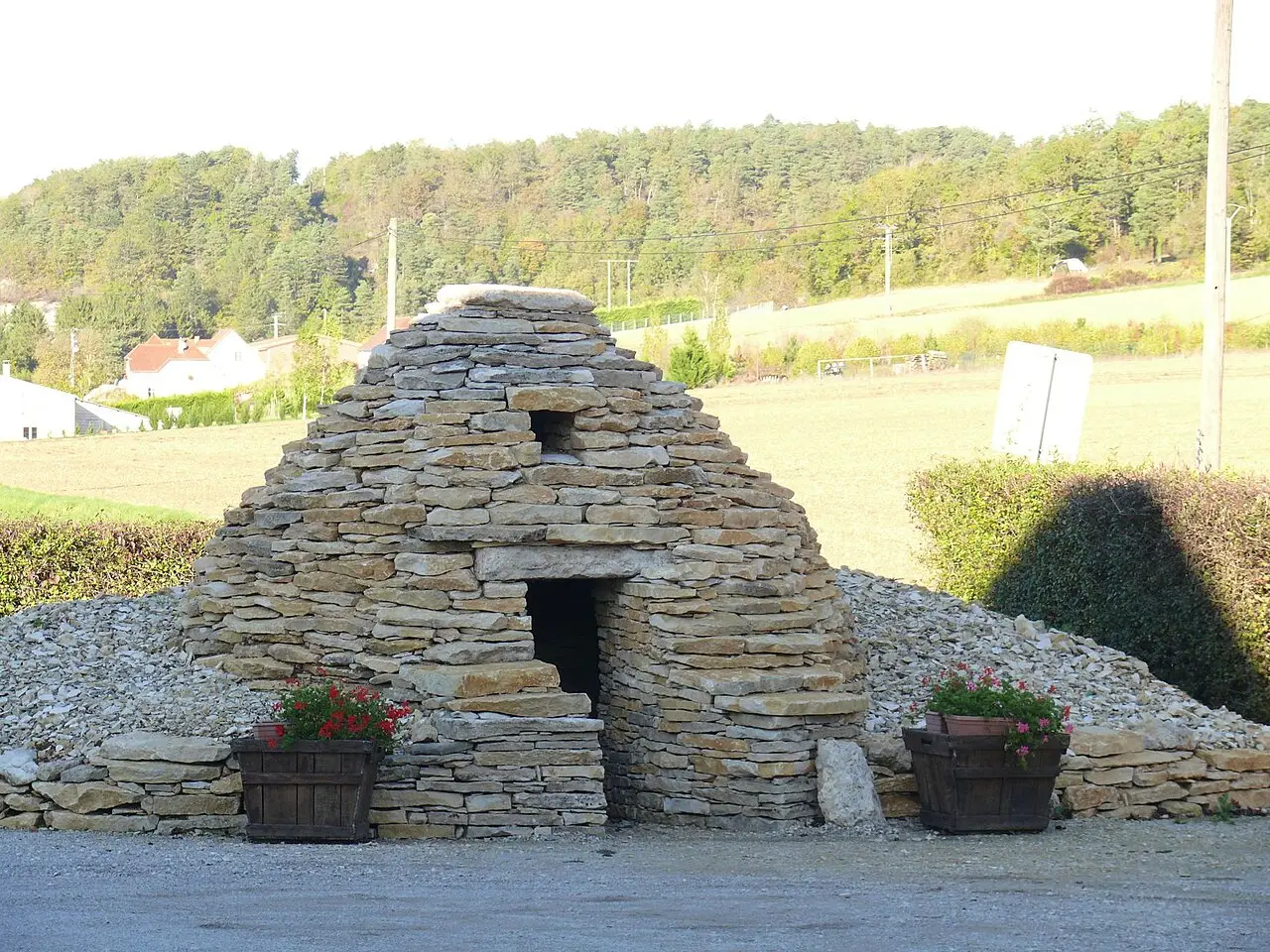
The 2024 edition took place on 20–21 July in Courteron, Gyé-sur-Seine, Neuville-sur-Seine and Buxeuil. Côte des Bar tourist office’s archived programme named twelve numbered cellar stops. Courteron included Cottet-Dubreuil and Fleury; Neuville-sur-Seine included Baudry and Clérambault. In Buxeuil the list included Moutard, Noël Leblond-Lenoir, André Diligent, Vincent Couche, Aline Juvenelle, Gruet and Christian Diligent. Those names give the 2024 route its own identity, distinct from later circuits.
Gyé-sur-Seine’s 2024 stop was collective, bringing together CH Piconnet, Jean Josselin, Douge and Robert Barbichon. The printed festival kit contained a flute, glass holder, route booklet and breathalyser; the tourist-office account also listed a collector’s capsule. Alongside cellar tastings, that edition offered activities including a masterclass, a Champagne Clérambault DJ evening and a country meal on the Cap’C site. These were additions to the tasting circuit, not promises attached to every future pass.
2025: thirty years, celebrated at Les Riceys
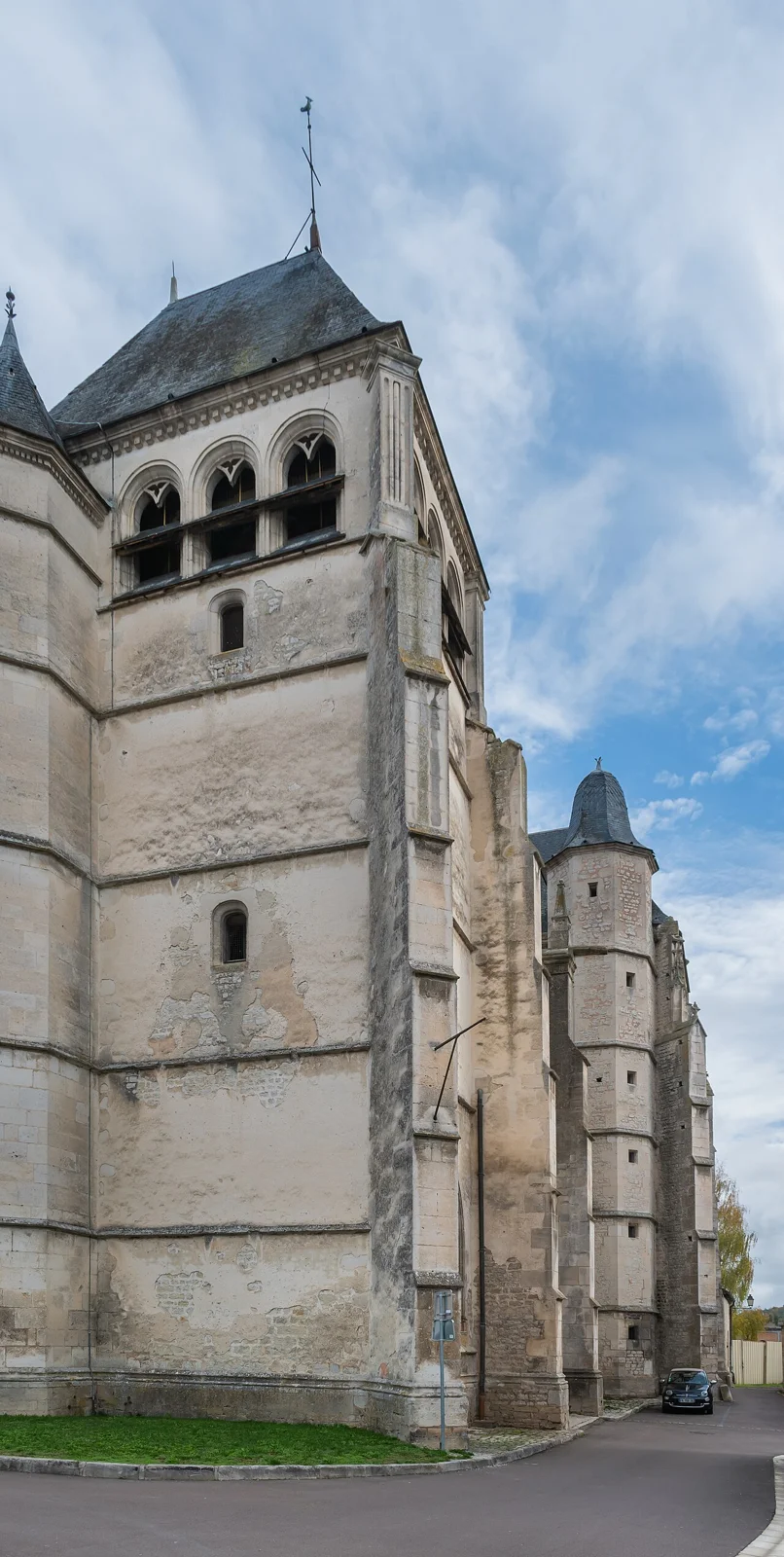
Les Riceys hosted the anniversary edition on 26–27 July 2025, thirty years after the festival’s creation. The municipal announcement highlighted the village’s three bourgs and three churches, alongside Champagne, Coteaux Champenois and Rosé des Riceys. Its viticultural identity makes the anniversary setting especially distinctive: a visitor could meet producers of sparkling Champagne and encounter the local still rosé tradition within the same host village. The commune’s event announcement described 866 hectares of vines and 288 winegrowers.
The 2025 participating list included Marquis de Pomereuil, Vincent Lamoureux, Lombardi, Jean-Jacques Lamoureux, Morize, Ferdinand Bonnet, Bauser, Batisse-Lancelot, Gremillet, Guy Lamoureux, Pascal Walczak, Pascal Manchin, Taisne-Riocour and Phlipaux Père et Fils, plus a collective UNESCO point. The Aube tourism press release advertised a €40 pass for that completed edition. The UNESCO point tied the Route’s thirtieth anniversary to another dated celebration: ten years since Champagne’s World Heritage inscription in 2015.

Inside one anniversary courtyard
Champagne Bauser’s own 2025 programme recorded a double anniversary: fifty years of the house and thirty years of the Route. The producer described a gourmet dinner prepared by Traiteur Enfert, two masterclass choices focusing on Rosé des Riceys or Champagne, cellar visits and tasting from barrels. Dinner and masterclass places required advance reservations. This is a revealing glimpse of the festival’s development beyond a glass-at-each-door format into more detailed, separately booked encounters with wine and production.
Bauser also listed music and DJ sets, with Magic Tempo performing on Saturday and Sunday evenings. Food options ranged from Burgundy snails and an oyster bar to galettes, charcuterie and ice cream. Its notice identified parking fifty metres from the estate. These details belong to Bauser’s 2025 weekend; another house could organise a very different courtyard. The festival’s history lives in these producer-level choices as much as in the headline host village.
2026: the circuit crosses to the Aube’s right bank
The completed 2026 edition ran on 1–2 August through ten villages and twenty-two cellars. Its map included Bar-sur-Aube, Arrentières, Colombé-la-Fosse, Colombé-le-Sec, Colombey-les-Deux-Églises, Argentolles, Rizaucourt-Buchey, Rouvres-les-Vignes, Saulcy and Voigny. Moving from Les Riceys to this sector changed both the producer list and the transport geography. The route crossed into the area around Colombey as well as the Aube valley; it was not a repeat of the 2025 village programme.
A specific 2026 change was the requirement for an entry bracelet for adults entering participating cellars. The tasting pass included a dated flute, holder, booklet and bracelet valid for two days; the organiser limited tasting passes to 9,000. The advertised online price was €45, with €50 on-site sales subject to availability. A €15 companion bracelet admitted an adult without the twenty-two included tastings. Those archived prices show how the entry system worked in 2026, not what a future edition will cost.
From paper route to online booking
Zetruc, the communications agency working on the festival, dates its collaboration with Cap’C to 2018 and a complete website redesign to 2022. Its project account identifies online passport presales as an addition from 2024. For visitors, that change moved part of the preparation away from collecting printed information after arrival: a dated village list, tasting-pass sale and practical travel material could be gathered in one place before the journey.
The agency’s account of the 2025 anniversary reports 35,000 visitors, more than 13,000 passes sold, 7,000 online purchases and forty-five countries represented. These are figures reported by the festival’s communications supplier, not independently audited totals. They nevertheless document the international reach claimed for the Les Riceys anniversary. The agency also records a visit by the agriculture minister. Against the festival’s 1995 growers’ origins, the 2025 account shows an event with an established digital booking operation and a much wider audience.
How transport became part of the festival experience
The 2026 organiser’s transport page set out return shuttles from Troyes and Chaumont at €18 per person for one day. Troyes departures used boulevard Delestraint by Le Cube and reached Bar-sur-Aube; the Chaumont service ran from the railway station to Colombey-les-Deux-Églises. Both connected with named pass-collection points at producers. This arrangement linked a regional city or rail arrival to a rural cellar circuit, without requiring visitors to drive between tastings.
The 2026 overnight arrangements identified bivouacs with dry toilets and a washing point, without showers or electricity. Cars used separate parking, and barbecues were prohibited. Advance pass collection included tourist offices in Troyes, Bar-sur-Aube, Bar-sur-Seine and Chaumont; passengers arriving on the advertised shuttles could collect at named cellar stops. Those details trace the practical organisation behind a weekend spread across ten villages: accommodation, admission and movement between producers had become separate, coordinated parts of the festival.
Free inter-village buses also appeared in the 2026 arrangements, alongside mapped parking and designated overnight areas. Their published operating times differed slightly between sections of the organiser’s page, so the historical point is the existence of a managed village network, not a single dependable last-bus time. The festival visitor guide keeps current booking links together. For the next edition, its own village map and transport notice will define the journey anew.
Plan your trip to Côte des Bar
Get there
Book a tour
Select the departure point and date on the booking page. Check the meeting point, language and inclusions before paying.
Compare toursWe may earn a commission if you book through these links, at no extra cost to you.