

History
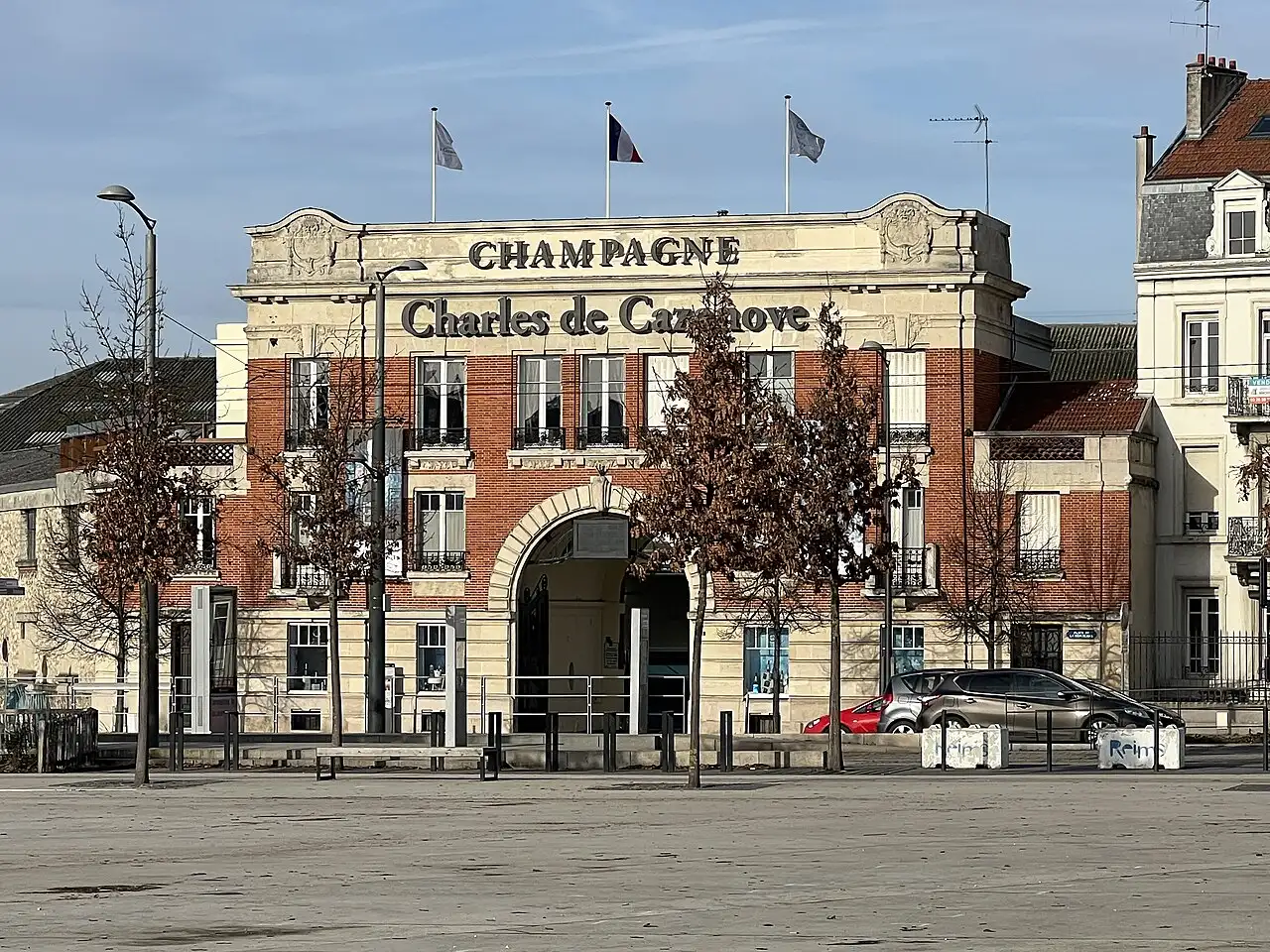
Charles Gabriel de Cazanove established the business in Avize in 1811. He was twenty-four and came from the Bigault de Cazanove glassmaking family. Avize, in the Côte des Blancs, is therefore the founding location, although the modern public showroom is in Reims at 8 place de la République.
His son Charles Nicolas developed the name’s reputation. The official chronology identifies presidents Mac-Mahon, Sadi Carnot and Émile Loubet among its customers. In 1902 Edward VII imported its Champagne from France under a personalised label. This connection is a dated episode in the producer’s history.
Amaury de Cazanove became chairman in 1954. The house is now part of the Rapeneau family’s Champagne businesses, with Christophe Rapeneau identified in its production account as cellar master. Thirty-five hectares of family vineyard are dedicated to the brand; its history dates High Environmental Value certification to 2021.
The vineyard origins named by the producer include Chamery, Écueil, Ambonnay, Bouzy, Louvois, Sermiers, Mutigny and Fontaine-sur-Aÿ. Those places connect the present range with the Montagne de Reims and the Marne side of the vineyard, beyond its founding village of Avize.
The current range preserves dated releases alongside its non-vintage wines: Millésime 2016 and Stradivarius 2009. The house separates these from limited editions including Art Nouveau and Senses. Its Reims showroom provides the present visitor setting; the guide’s booking section distinguishes a tasting appointment there from an unverified public cellar tour.
Charles de Cazanove: the place and its story
The current official website invites visitors to reserve a showroom tasting through its embedded Rue des Vignerons system. Its range lists Blanc de Blancs, Tête de Cuvée, Brut Nature, Brut Rosé, Premier Cru, Millésime 2016 and Stradivarius 2009. A showroom reservation is the verified booking route; a routine public cellar tour has not been established.
Tête de Cuvée combines 40% Pinot Noir, 40% Meunier and 20% Chardonnay. The house recommends it with white meat and morel sauce. Blanc de Blancs, by contrast, is entirely Chardonnay from the Montagne de Reims; the published food pairing is fish with beurre blanc.
Christophe Rapeneau is the cellar master named in the official production account. Each cru and terroir is vinified separately in vats before blending, and the house gives fifteen to twenty-four months for bottle ageing. Pinot Noir is the principal grape in its broader production description.
The showroom’s direct telephone number is +33 (0)3 26 88 53 86. The reservation module is embedded on the house website and identifies Rue des Vignerons as its booking provider. The address on both the Blanc de Blancs and Tête de Cuvée pages is 8 place de la République, 51100 Reims.
Named grape sources include Chamery, Écueil, Champillon, Dizy, Ambonnay, Bouzy, Louvois, Sermiers, Mutigny, Taissy, Fontaine-sur-Aÿ and Tauxières. Those origins show the Montagne de Reims emphasis behind the present Reims showroom, although the business began in Avize in the Côte des Blancs.
Brut Nature is an undosed blend of 50% Pinot Noir, 25% Meunier and 25% Chardonnay. The house pairs it with flambéed prawns and saffron rice. Its composition differs from Tête de Cuvée, which has equal 40% shares of Pinot Noir and Meunier and a 20% Chardonnay contribution.

Premier Cru, rosé and Demi-Sec
The Premier Cru cuvée uses 80% Pinot Noir and 20% Chardonnay, with all grapes from Premier Cru terroirs. The producer’s suggested pairing is poultry in a herb crust. This is a Pinot Noir-led blend, unlike the house’s Chardonnay-only Blanc de Blancs.
Brut Rosé combines 41% Pinot Noir, 36% Meunier and 23% Chardonnay. The producer identifies a fifteen per cent contribution of red wine from the Marne Valley and suggests a creamy vanilla dessert. That red-wine component is part of the rosé assemblage, not an extra fifteen per cent added to the three grape shares.
Demi-Sec is 50% Pinot Noir, 20% Meunier and 30% Chardonnay. The house recommends it with dessert and describes dates and dried figs among its aromas. The current range also distinguishes the limited editions Senses Extra Brut, Senses Rosé Extra Dry, Romance Extra Brut and Art Nouveau Extra Brut.
Lunch in the Boulingrin district
Brasserie du Boulingrin is at 31 rue de Mars, opposite the covered market. Founded in 1925, it occupies two levels of an Art Deco building. Its own menu introduction names seafood, house terrines, marinated herrings, breaded pigs’ feet, AAAAA andouillette and gratin dauphinois among its dishes.
The brasserie takes orders Monday–Saturday from noon to 14:30 and 18:30 to 23:00 (checked October 2026). Reserve through the restaurant’s own site or telephone +33 3 26 40 96 22. Its booking instructions say the reservation is accepted once the restaurant sends its confirmation email; call if that message does not arrive. Its email address is brasserie@boulingrin.fr.
A small hotel north of the centre
The hotel’s direct contact is +33 3 26 47 43 39 or contact@hotel-azur-reims.com. Room categories on its site include an Economy Double and Standard rooms. Select the room through the hotel’s own booking page; the Cazanove tasting uses the separate Rue des Vignerons module.
Arrange your visit
Charles de Cazanove’s official visitor page provides the direct reservation or enquiry route for Reims.
Access and facilities
Hôtel Azur is at 9 rue des Écrevées, in the central streets between the station area and Boulingrin. Its own website lists twenty non-smoking rooms across three floors, without a lift. That stair-only arrangement is relevant when choosing a room after a tasting at place de la République.
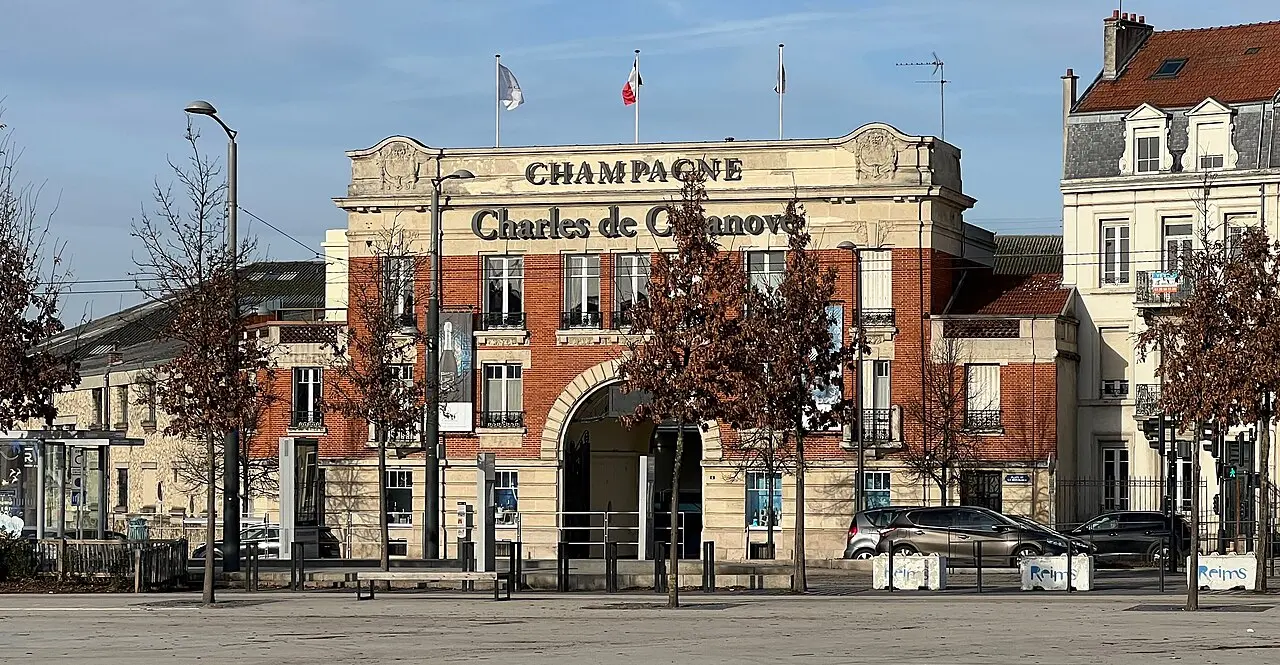
Charles de Cazanove dates its origins to 1811. The business is now owned by the Rapeneau family. Its Reims showroom stands at 8 place de la République, near the railway station and Boulingrin district.
Official information
Plan nearby visits
Build your visit into a fuller stay with our Reims guide, compare tours and packages and find somewhere comfortable to stay.
Plan your trip to Reims
Get there
Book a tour
Select the departure point and date on the booking page. Check the meeting point, language and inclusions before paying.
Compare toursWe may earn a commission if you book through these links, at no extra cost to you.