

History
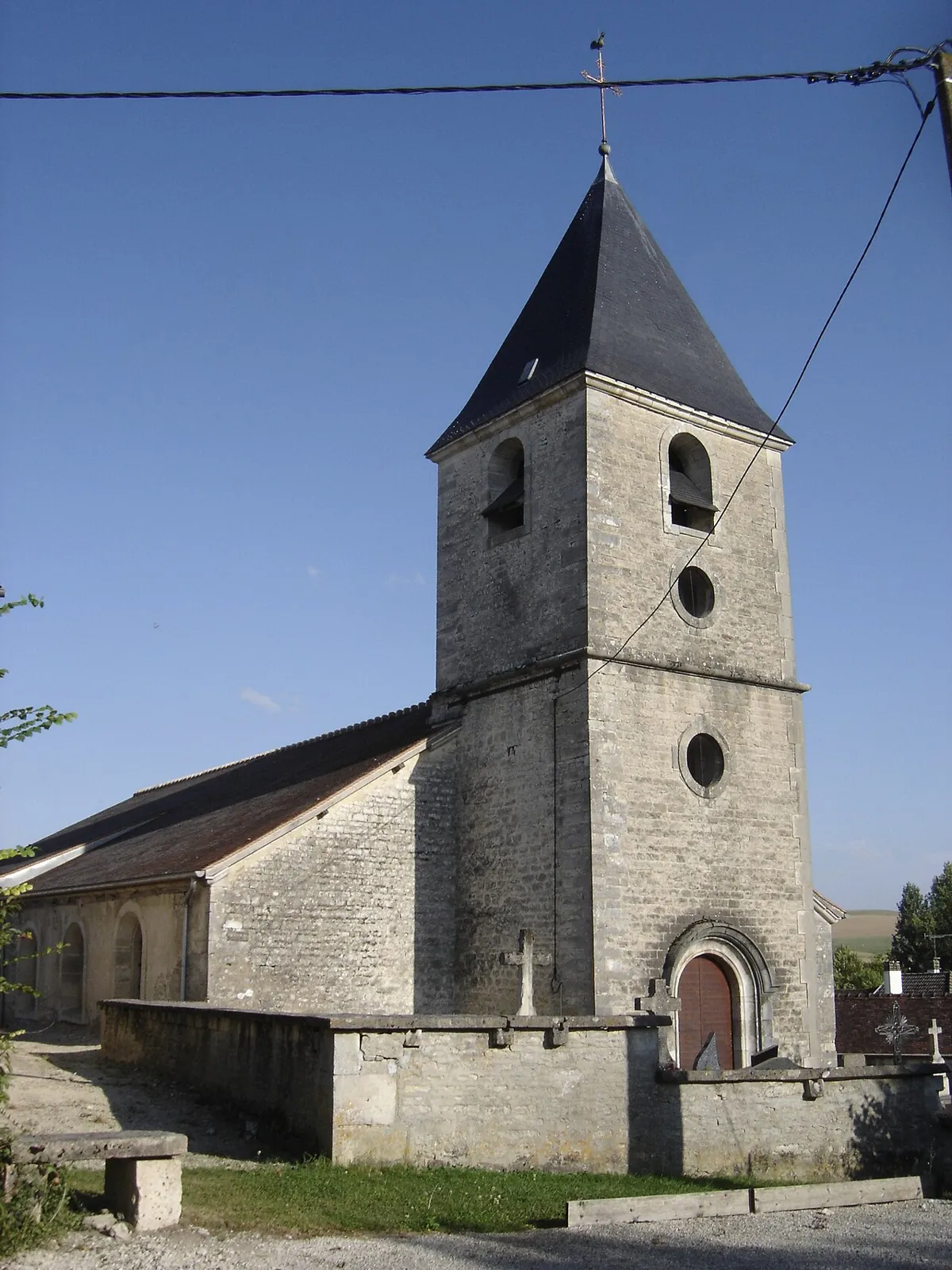
François Drappier settled in Urville in 1808 and cultivated several hectares. The cellars beneath the modern estate have an older history: the house links them with Saint Bernard’s Clairvaux network in 1152.
After the Second World War, the family acquired the former village-presbytery cellars and established its estate there. These spaces combine a medieval storage setting with a wine business developed in the nineteenth and twentieth centuries.
André and Micheline Drappier created Carte d’Or in 1952. A severe frost struck in 1957. In 1968, Micheline proposed a rosé made entirely from Pinot Noir, a grape that remains dominant in Drappier’s Urville vineyard and several of its best-known wines.
Charles de Gaulle drank Drappier in 1965 at nearby Colombey-les-deux-Églises. Cuvée Charles de Gaulle was launched in 1990, marking fifty years since the Appeal of 18 June. Its name records the family’s connection with the former president and his Champagne home.
Grande Sendrée refers to vineyard plots affected by an Urville fire in 1836. Clarevallis uses the Latin name associated with Clairvaux Abbey. These labels connect the modern range with local episodes and the older Cistercian presence.
The reserve-wine area is called the Cercle. Its oak vessels include muids, demi-muids and an egg-shaped Ovum cask introduced in 2012. Drappier’s Immersion Set compares bottles matured in Urville with bottles aged thirty metres underwater off Brittany.
The estate dates its Écoact carbon-neutral certification to 2016. Its environmental account reports almost two thousand square metres of solar panels, producing seventy-five per cent of the estate’s energy, and a bottle weighing fifteen per cent less than a conventional Champagne bottle.
Book the Urville cellar visit or picnic
The official wine-tourism page separates the €26 cellar tour and tasting from the €21 tasting-only option. The Gourmet Picnic is €57 per person, with local food, one bottle for two people, a cellar tour and tasting. The picnic operates April–October and requires a reservation one week ahead. Sundays and public holidays are closed (checked October 2026).
For those three visitor options, reserve through reception@champagne-drappier.com or +33 3 25 27 40 15, using the official wine-tourism contact page. The published offer does not specify a universal tour duration or a fixed list of cuvées poured. A request for Quattuor or Grande Sendrée is therefore part of the house enquiry; buying an entry visit does not establish that either wine is included.

Urville’s grapes and Kimmeridgian limestone
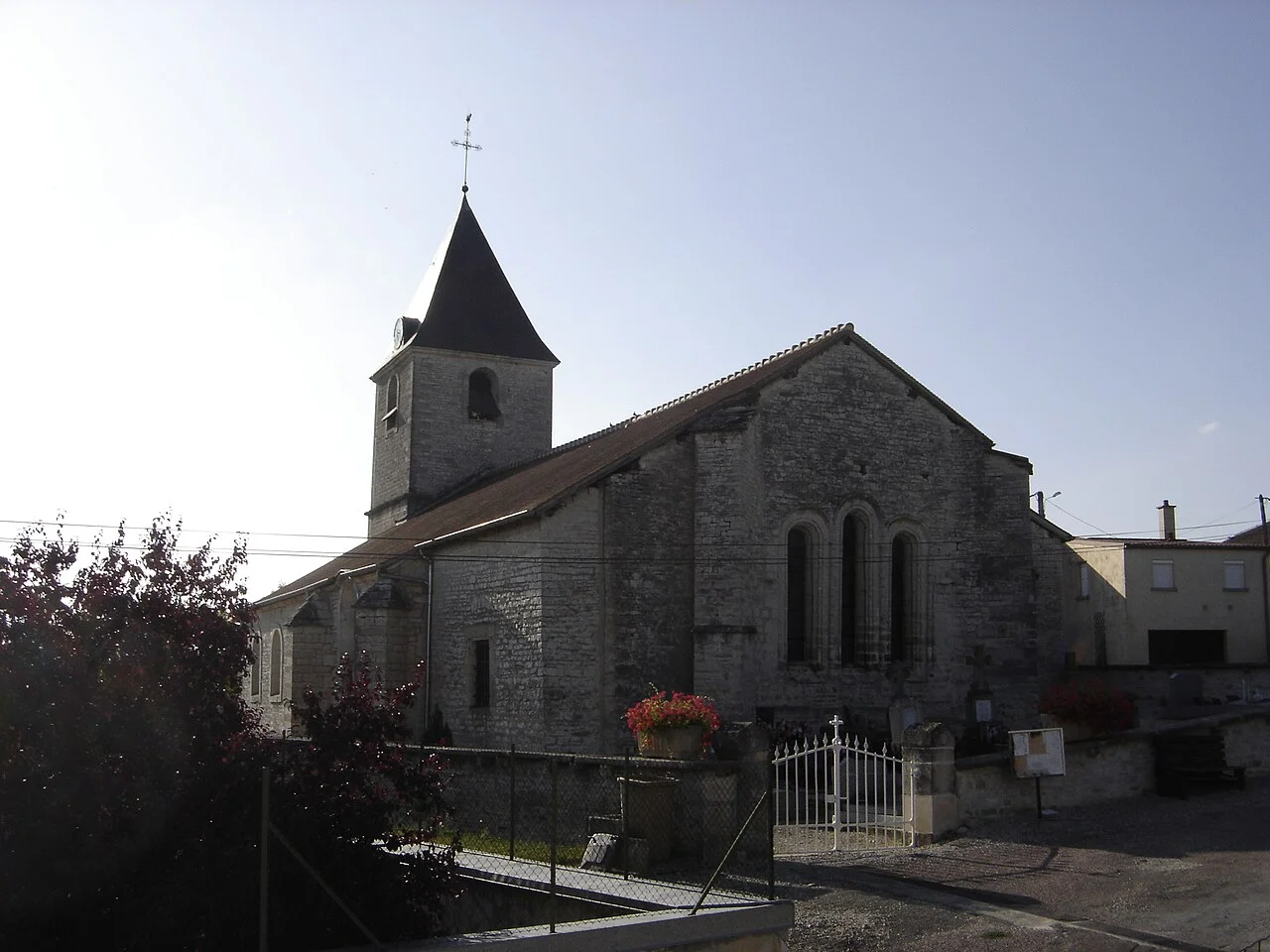
The estate’s official vineyard account gives 70% Pinot Noir, 15% Meunier, 9% Chardonnay and 6% older grape varieties. Urville’s Kimmeridgian limestone is from the late Jurassic, connecting this southern Champagne landscape geologically with Chablis. The percentages describe Drappier’s vineyard, not the blend in Carte d’Or or any other finished cuvée.
Drappier reports 27 hectares certified organic by Ecocert and describes soil work by hand, horse and machinery, controlled grass between rows and a gradual move to electric tractors. Clarevallis, Quattuor, Grande Sendrée and Grande Sendrée Rosé are the wines it names in connection with those organic grapes. That account gives specific vineyard practices behind the organic certification, rather than treating “sustainable” as an unspecified visitor slogan.
Carte d’Or: the Pinot Noir-led house introduction
Carte d’Or’s official technical sheet gives 80% Pinot Noir, 15% Chardonnay and 5% Meunier. It uses 40% reserve wines; 5% of the wines mature in oak casks. The listed dosage is 5 g/L. The producer specifies low-pressure pressing, first-press juice, gravity handling and malolactic fermentation, with no filtration or decolouring.
The same sheet recommends serving Carte d’Or at 7°C, including with white meat, firm-textured fish or Chaource cheese. That is Drappier’s own serving and food-pairing guidance for this wine. Chaource links the tasting back to a named cheese from the surrounding region, while the 80% Pinot Noir proportion explains why the house describes Carte d’Or as close to a blanc de noirs.
Brut Nature and the sulphur experiments
Brut Nature is a 100% Pinot Noir blanc de noirs. Its sheet specifies 36 months on lees, zero dosage and sulphur below 35 mg/L. Mechanical low-pressure pressing, first-press juice, natural settling, gravity transfer and malolactic fermentation are listed in its production. Zero dosage describes the finishing sugar addition; the house’s separate Brut Nature Sans Soufre is a distinct label.
Drappier’s cellar history dates the release of Brut Nature Sans Soufre to 2007, after experiments begun in the 1980s. The family also cultivates a portion of its own fermentation yeasts under the name Drappier Fermentum Meum. Its cellar account describes wines made without animal products, filtering or decolouring. These are documented winemaking practices, not a guarantee of which wine appears in a standard paid tasting.
Quattuor: four white grape varieties
Quattuor takes its name from the Latin for four. Its blend gives equal quarters to Arbane, Petit Meslier, Blanc Vrai and Chardonnay. The three less familiar varieties are the defining difference from a Chardonnay-only blanc de blancs. The house’s current wine page describes this as a tribute to Champagne’s older grape varieties, all represented in the same sparkling wine.
Quattuor therefore provides a concrete reason to visit the Urville producer for more than its famous Pinot Noir labels. The four-grape blend can be researched on the official Quattuor page before making a tasting request. Availability and the wines served remain attached to the chosen appointment; no separate Quattuor visitor experience is invented here.
Grande Sendrée 2015 and the Charles de Gaulle cuvée
Grande Sendrée is named for plots affected by the 1836 Urville fire. The official 2015 technical sheet gives a blend of 55% Pinot Noir and 45% Chardonnay, entirely matured in casks, with 4.2 g/L dosage. It describes the dosage liqueur as having matured in wood for fifteen years. These are the figures for the published 2015 wine, not a fixed blend for every vintage.
Cuvée Charles de Gaulle is different: its technical sheet lists 80% Pinot Noir and 20% Chardonnay, 30% wood maturation, 36 months in bottle and 5 g/L dosage. The recommended serving temperature is 8°C. Its suggested pairings include guinea fowl and Brie de Meaux; the wine commemorates de Gaulle’s relationship with the family and his home at Colombey-les-deux-Églises.
Clarevallis and Rosé de Saignée
Clarevallis takes its name from Saint Bernard’s Clairvaux Abbey and uses organically farmed grapes from the Urville hillsides. Its technical sheet gives 75% Pinot Noir, 10% Meunier, 10% Chardonnay and 5% Blanc Vrai, with 4 g/L dosage. The producer recommends serving it at 7°C, including with marinated fish, langoustines or fresh summer salads. The four-variety blend differs from Quattuor’s equal quarters of white grapes.
Drappier’s Rosé de Saignée is 100% Pinot Noir. Its sheet specifies two days of vatting, cold pre-fermentation maceration of destemmed grapes and 5.5 g/L dosage. Five per cent of the wines mature in large wooden casks. The recommended food matches include salmon cooked en papillote and pink lamb, with a serving temperature of 7°C. This is the skin-contact rosé in the range, separate from the house’s Brut Nature Rosé label.
Solar energy, a lighter bottle and the Cercle
Drappier dates its Écoact carbon-neutral certification to 2016. Its environmental page reports nearly 2,000 square metres of solar panels producing 75% of the estate’s energy, a bottle designed to weigh 15% less than a conventional Champagne bottle, and generic and Tesla charging points. These are the house’s published figures and infrastructure claims.
In the limestone cellars, Drappier calls its reserve-wine area the Cercle. Oak vessels include muids and demi-muids, and an egg-shaped Ovum cask joined the collection in 2012. The cellar account also describes the Immersion Set: two bottles of the same Champagne, one matured in Urville and the other underwater off Brittany at 30 metres. Our Côte des Bar guide places the Urville visit alongside Essoyes, Les Riceys and the southern vineyard towns.
Access and facilities
Drappier’s reserved cellar tour and tasting starts at €26 per person at rue des Vignes in Urville; a tasting without the tour is €21. This Côte des Bar family house dates its Urville vineyard story to 1808 and its medieval cellars to 1152 (checked October 2026).
Drappier is covered in the Urville visitor guide. A step-free route, accessible toilet and assistance arrangements have not been independently verified.
Official booking and contact
Plan nearby visits
Build your visit into a fuller stay with our Côte des Bar guide, compare tours and packages and find somewhere comfortable to stay.
Plan your trip to Urville
Get there
Book a tour
Select the departure point and date on the booking page. Check the meeting point, language and inclusions before paying.
Compare toursWe may earn a commission if you book through these links, at no extra cost to you.