
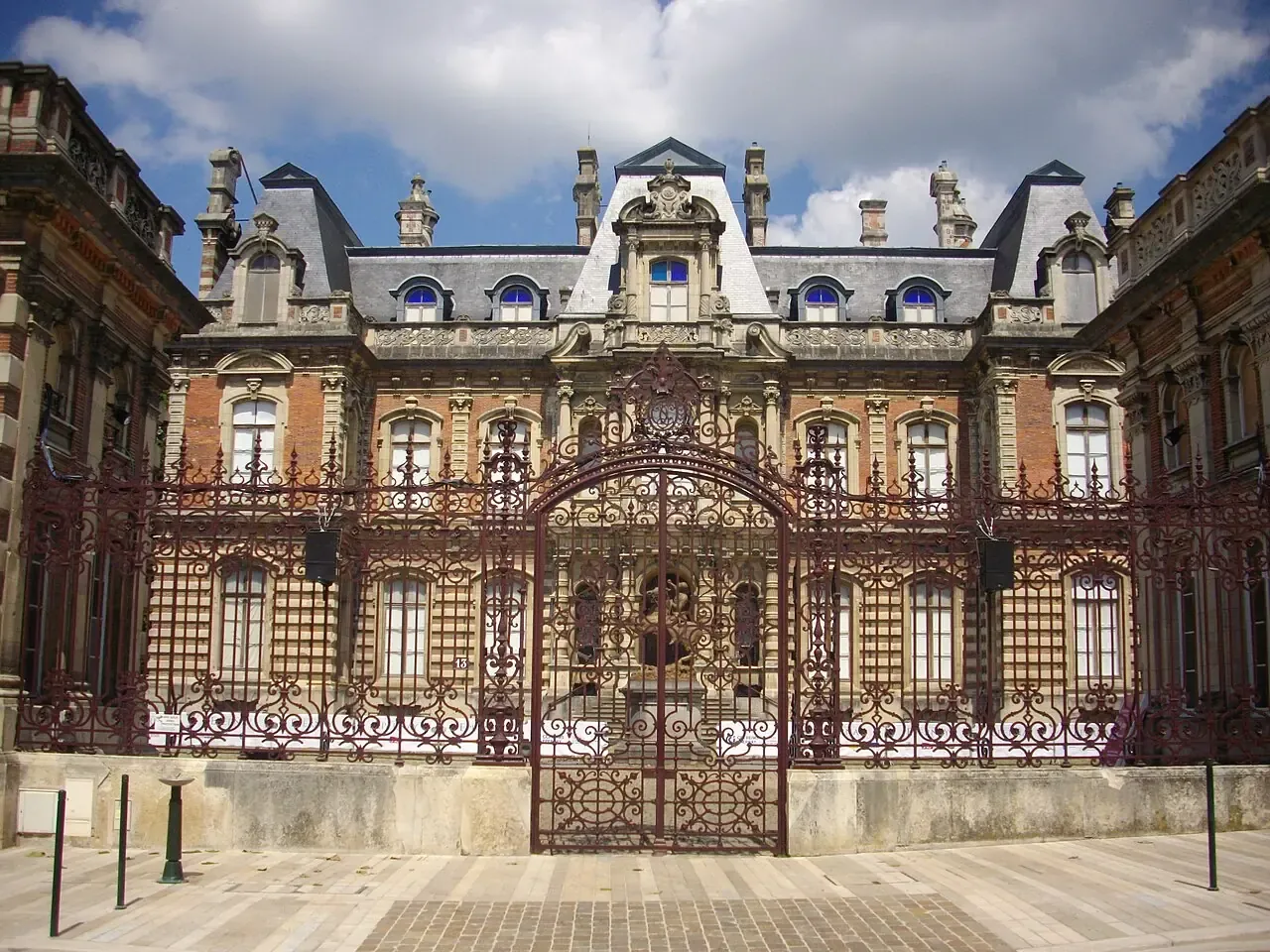

History
Pierre Gosset, winemaker and alderman of Aÿ, established a négociant business in 1584. Most of his wines were red and still, produced from his own vineyard grapes. The family traces its earlier lineage to Jean Gosset, 1484–1556, Lord of Aÿ and Mareuil, and describes sixteen generations in direct descent.
Another Jean Gosset first used the emblematic antique bottle in 1760. The name refers to its antique-glass colour, while the distinctive neck medallion bears Albert Gosset’s name. The present exclusive bottle model derives from the family’s ancestral collection.
Gosset entered the Renaud-Cointreau family group in late 1993. Its official house account names Odilon de Varine as head winemaker and deputy general manager since 2006, continuing the work of Jean-Pierre Mareigner. Grapes now come from a sourcing area of 140 hectares across Champagne.
The two-hectare Épernay Domaine was purchased in 2009. Beneath it lie 1.7 kilometres of nineteenth-century chalk cellars. Public opening followed in July 2021; the address is 12 rue Godart Roger. Its park, Winter Garden Champagne bar and cellar facilities form the modern visitor setting, distinct from the house’s historic Aÿ origins.
The French Excellence Trophy followed in 2010, and the Entreprise du Patrimoine Vivant label in 2013. This Living Heritage Company designation recognises the house’s savoir-faire. Its quality charter describes average lees ageing of four years, with longer periods documented for individual wines.
Grand Blanc de Blancs was first created in 2011. Celebris Blanc de Blancs 2012 later became Gosset’s first vintage Blanc de Blancs: 15,000 bottles, cellared in 2013 for nine years and disgorged in March 2022. Celebris Vintage 2008 was also limited to 15,000 bottles and represented the eighth edition in thirty-four years. Both releases provide dated examples of the extended-ageing programme.
The 140-hectare figure describes grape sourcing, not an estate of wholly owned vines.
Book the Épernay Domaine, not an Aÿ cellar
Gosset purchased its Épernay Domaine in 2009 and opened it to the public in July 2021. Its chalk cellars extend for 1.7 kilometres beneath the property. The house offers guided cellar visits and tastings by reservation, alongside tailored private tours, masterclasses, lunches and other events. No single current public-tour price, duration, tasting selection or language timetable was confirmed on the official request page in October 2026.
For a cellar visit, use the Domaine booking enquiry. It asks for your name, email, country, number of people and additional details including date, time and language. A submitted form is an enquiry; obtain the house’s confirmation before treating it as a booked slot. Contact details checked October 2026. The visitor telephone is +33 3 26 56 99 56. Address the request to the Épernay site at 12 rue Godart Roger, 51200 Épernay.
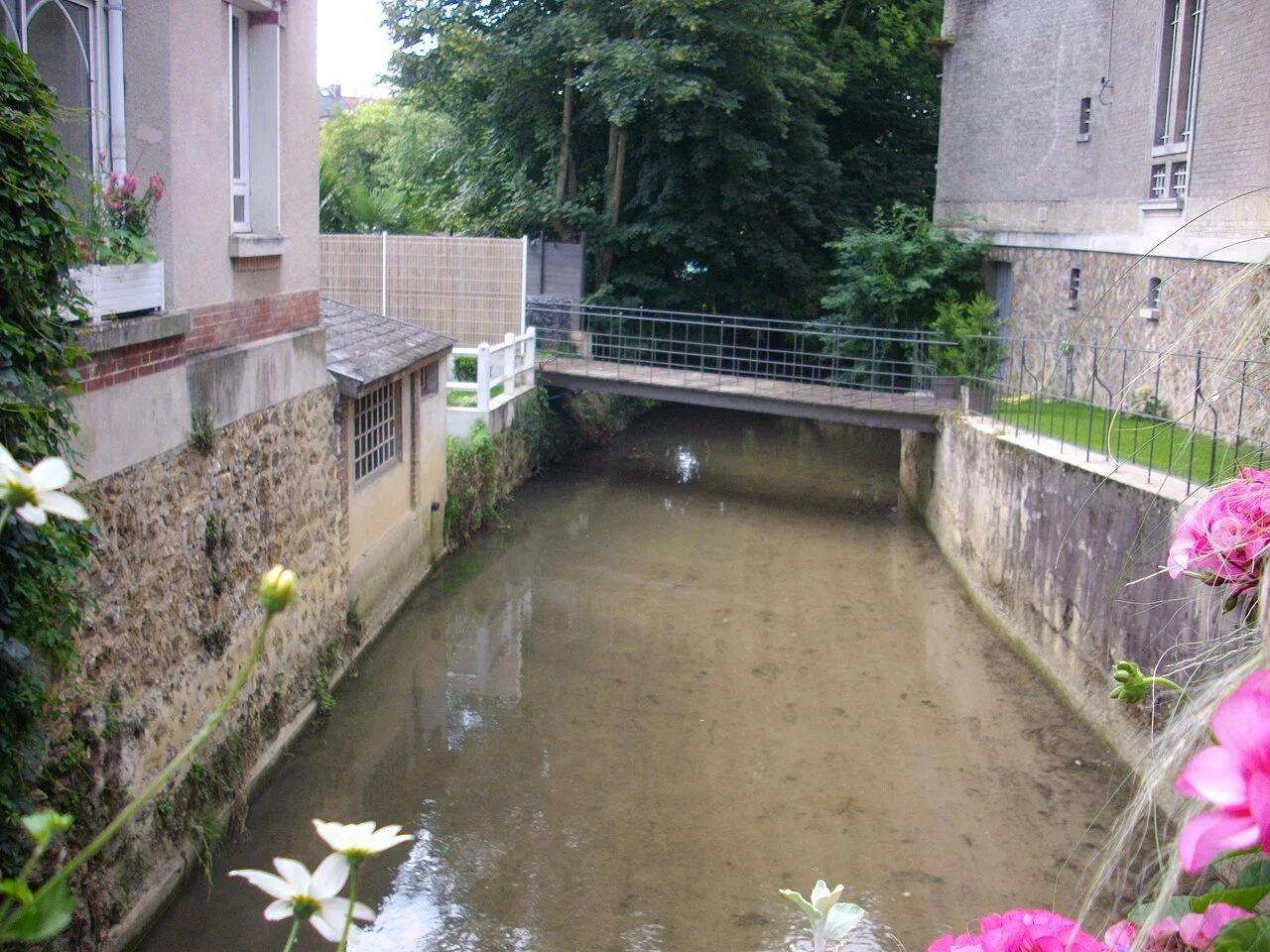

Two hectares, a winter garden and the Bee Trail
The wooded park is classified by the town of Épernay. Gosset’s Domaine account identifies beehives in the old greenhouse and participation in the town’s Bee Trail pollinator project. It dates the end of chemical maintenance treatments in the green space to 2021. This describes the park’s management; it should not be extended into a claim that every vineyard supplying Gosset is organic.
The Champagne bar occupies the Winter Garden, with summer service described beside the fountain under the trees. The Domaine permits dogs outdoors in the car park, courtyard and terrace, kept on a lead under the owner’s responsibility. That published permission does not include the cellar route. Gosset also describes a May–September Vign’Art display period, but no unverified individual exhibition dates are reproduced here.
The 1760 bottle and the Albert medallion
Jean Gosset first used the house’s emblematic antique bottle in 1760. Its “antique glass” name refers to the colour of the glass paste, and the neck medallion is named after Albert Gosset. The current bottle is an exclusive model derived from the family’s collection. These details connect the shape and neck decoration visible in the shop with named elements of the house archive.
Gosset received the French Entreprise du Patrimoine Vivant, or Living Heritage Company, label in 2013, following the French Excellence Trophy in 2010. Its quality charter describes average ageing on lees of four years. Individual cuvée sheets specify their own longer periods, so that house-wide average should not replace the minimum printed for a particular bottle.
Grande Réserve: changing proportions and four-year ageing
Grande Réserve’s current technical sheet gives ranges rather than one permanent recipe: 40–45% Pinot Noir, 30–35% Chardonnay and 20–24% Meunier. Named origins include Ambonnay, Avize, Aÿ, Bar-sur-Aube, Bouzy, Cumières, Le Mesnil-sur-Oger, Vertus and Ville-sur-Arce. Dosage is 6–8 g/L. The product is bottled at the end of spring following harvest and receives at least four years in the cellars.
After disgorgement, Grande Réserve rests for at least another six months so the dosage can integrate. Gosset recommends gougères, pâté en croûte, roast chicken, Comté and Parmesan among its food matches. These are the producer’s suggestions for the bottle, not dishes promised in a Domaine tasting. The printed blend ranges also explain why old fixed-percentage descriptions can differ from the present technical sheet.
Grand Rosé and Petite Douceur: separate styles
Grand Rosé is made by double blending: Gosset first makes a red-wine blend and then adds it to the white-wine blend. The current sheet gives a 5–9% red-wine component from Cumières, Louvois and Vertus, a 4–8 g/L dosage range, at least four years in the cellar and at least six months’ rest after disgorgement. Chardonnay, Pinot Noir and Meunier all appear in the technical specification.
Petite Douceur Rosé has a different specification: 60% Chardonnay, 33% Pinot Noir and 7% red Pinot Noir wine. Its technical sheet records cellaring from spring 2011, at least eleven years in the cellar and 17 g/L dosage, classified as Extra Dry. Named origins include Ambonnay, Avize, Bouzy, Cumières and Le Mesnil-sur-Oger. Gosset proposes Crêpe Suzette, passion-fruit desserts and spicy dishes as pairings; Extra Dry here is the sweeter style compared with the Brut rosé.
Grand Blanc de Blancs and Celebris 2012
Grand Blanc de Blancs, first created in 2011, is 100% Chardonnay. Gosset selects chalk-based sites across the Montagne de Reims, Vallée de la Marne and Côte des Blancs. The technical sheet names Barbonne-Fayel, Chouilly, Cramant, Cumières, Mailly, Le Mesnil-sur-Oger, Saudoy and Vertus, gives 4–7 g/L dosage, and specifies at least four years’ cellar ageing followed by at least six months after disgorgement.
Celebris Blanc de Blancs 2012 is a separate vintage wine and the house’s first vintage Blanc de Blancs. The release comprises 15,000 bottles, all Chardonnay, cellared in 2013 for nine years and disgorged in March 2022. Its dosage is 7 g/L. The named villages include Ambonnay, Avize, Cramant, Cumières, Passy-sur-Marne, Trépail, Vertus, Villers-Marmery and Le Mesnil-sur-Oger.
Celebris Vintage 2008
Celebris Vintage 2008 Extra Brut combines 54% Chardonnay and 46% Pinot Noir, with 4.8 g/L dosage. Its technical sheet describes 15,000 bottles and the eighth Celebris Vintage edition in thirty-four years. Named origins include Avenay, Avize, Aÿ, Bouzy, Cramant, Cuis, Cumières and Trépail. The sheet records cellaring in 2009 for twelve years and a minimum nine-month post-disgorgement rest; the accompanying cellar-master introduction discusses thirteen years of maturation overall.
Build the day around Épernay
Gosset’s 12 rue Godart Roger address belongs in an Épernay itinerary. The town guide covers the Avenue de Champagne and the Château Perrier museum at 13 avenue de Champagne. Aÿ remains the house’s historic origin and merits its own village visit, but a reservation at Domaine Gosset should use the Épernay address. The stay guide supplies central Épernay accommodation searches for a tasting day without driving.
Access and facilities
The contact page gives shop and Champagne-bar hours of Monday–Friday, 08:30–12:00 and 14:00–17:30, with the final bar order at 17:00. The park opens continuously Monday–Friday, 08:30–17:30. These published opening periods were checked October 2026; they do not turn a cellar enquiry into a walk-in tour. Ask the visitor team about stairs, step-free alternatives and adapted toilets because a complete access specification was not confirmed.
Gosset’s history begins in Aÿ in 1584, but its public visitor estate is in Épernay: 12 rue Godart Roger. The two-hectare Domaine has a park, Champagne bar, boutique and nineteenth-century chalk cellars. Guided visits and tastings are arranged through the house’s request form.
Plan nearby visits
Build your visit into a fuller stay with our Épernay guide, compare tours and packages and find somewhere comfortable to stay.
Plan your trip to Épernay
Get there
Book a tour
Select the departure point and date on the booking page. Check the meeting point, language and inclusions before paying.
Compare toursWe may earn a commission if you book through these links, at no extra cost to you.