
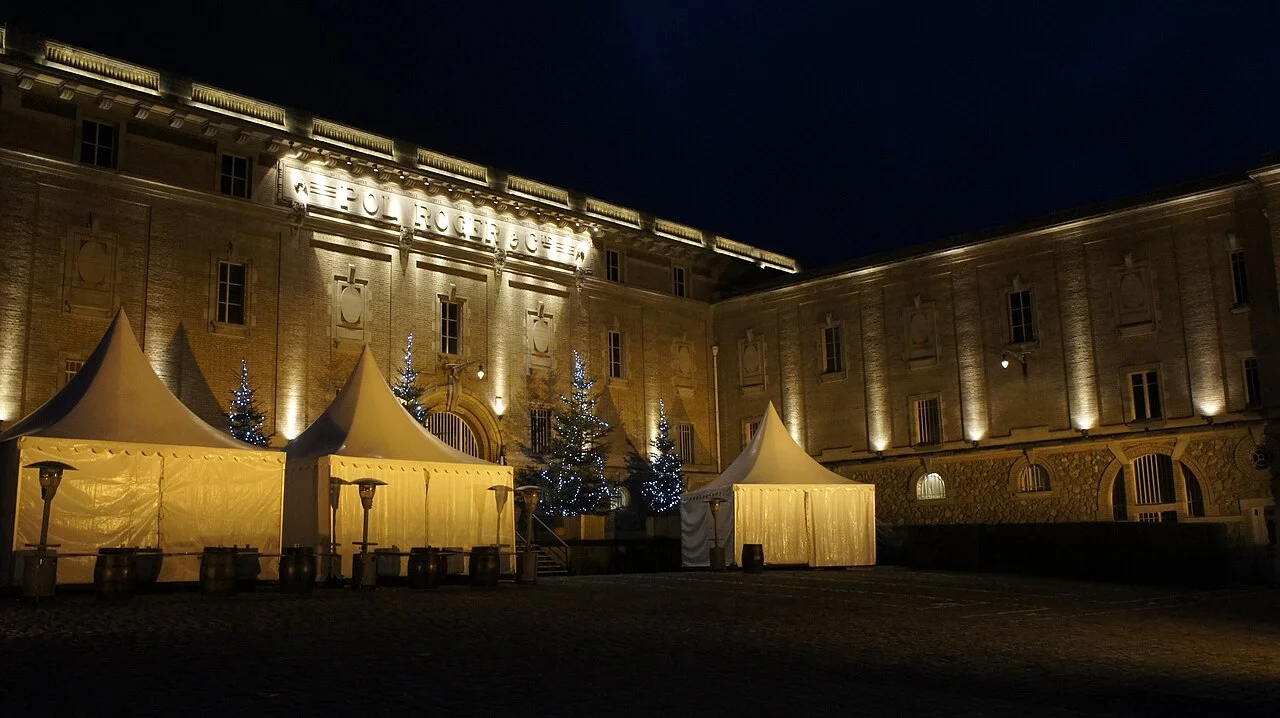

History
Pol Roger’s first recorded sale took place in January 1849. The young business moved from Aÿ to Épernay in 1851, and by 1855 its founder favoured brut wines for English customers. This British connection preceded the later relationship between Winston Churchill and the Pol-Roger family.
On 23 February 1900 a catastrophic collapse struck the cellars and buildings. The house records the loss of 500 casks and 1.5 million bottles. Pol Roger’s sons Maurice and Georges rebuilt the business. During the same year, they obtained permission to adopt Pol-Roger as the family surname.
Maurice Pol-Roger became mayor of Épernay in 1912. His son Jacques joined the business in 1927, continuing the family succession after the reconstruction. The nineteenth-century family home remains associated with rue Winston Churchill, where its frontage forms part of the house’s Épernay presence.
The post-war family chronology links Odette Pol-Roger with Winston Churchill. The prestige cuvée bearing his name began with the 1975 vintage. Its precise percentages remain private, although the house identifies Grand Cru Pinot Noir and Chardonnay, with Pinot Noir forming the larger share.
The cellar environment is a continuing part of Pol Roger’s production history. Bottles mature 33m beneath street level and are riddled by hand. The technical account retains separate village and grape-variety wines until blending, with malolactic fermentation included in the process.
A decade of winery renovation ran from 2001 to 2011. Refurbishment of the family residence followed between 2011 and 2013. These projects updated the production and domestic buildings behind the historic exterior without creating a public cellar-tour programme.
Pure Brut Nature entered the range in 2007. It combines the three main grape varieties in equal proportions and receives no dosage, with at least four years of ageing specified. Brut Réserve also uses equal shares of Pinot Noir, Meunier and Chardonnay, but incorporates reserves from earlier harvests. Those named wines show two later expressions of the brut tradition developed for nineteenth-century customers.
Pol Roger: the place and its story
The house records its first sale in January 1849 and its move from Aÿ to Épernay in 1851. From 1855, Pol Roger favoured brut wines for English customers. Its official wine range includes Brut Réserve.
La Table Kobus and Le Sardaigne in Épernay publish Pol Roger on their own wine lists, as does La Brasserie du Boulingrin in Reims. Their bottle lists are separate from house admission: a restaurant reservation does not provide access to Pol Roger’s cellars.
Brut Réserve blends equal proportions of Pinot Noir, Meunier and Chardonnay from thirty crus, including 25% reserve wines. Its official technical account gives four years of cellar ageing. Pinot Noir comes principally from the Montagne de Reims, Meunier from the Vallée de la Marne and Épernay area, and Chardonnay from the Côte des Blancs and Épernay.
Pol Roger’s production account describes two settling stages, including twenty-four hours at 6°C, followed by fermentation in stainless steel at approximately 18°C. Village origins and grape varieties remain separate until blending. All wines undergo malolactic fermentation; the bottles are hand-riddled in cellars 33m below street level and rest at least three months after disgorgement.
Pure Brut Nature, introduced in 2007, also uses equal proportions of the three main grapes, but receives no dosage. The house specifies at least four years of ageing for Pure. Rich is the demi-sec member of the non-vintage family; Blanc de Blancs, Rosé and Brut Vintage are separate vintage-labelled wines.
The Brut Vintage 2018 blend is 60% Pinot Noir and 40% Chardonnay from twenty Premier and Grand Crus in the Montagne de Reims and Côte des Blancs. The official 2019 account names a broader set of origins, including Ambonnay, Bouzy, Verzenay, Cumières, Hautvillers, Mareuil-sur-Aÿ, Avize, Chouilly and Vertus. Village names therefore need to be read alongside the vintage on a particular bottle.
Pol Roger’s 2019 production account specifies two settling stages, followed by fermentation in temperature-controlled stainless steel with each variety and cru kept separate. Full malolactic fermentation precedes blending. Hand riddling is retained, and the finished champagne rests at least six months after disgorgement and dosage before shipment.

Published local wine lists
- La Table Kobus, Épernay: Own published wine list names Pol Roger Brut and Brut Millésimé.
- Le Sardaigne, Épernay: Own menu names Pol Roger Brut.
- La Brasserie du Boulingrin, Reims: Own wine list names Pol Roger Brut and Vintage.
Access and facilities
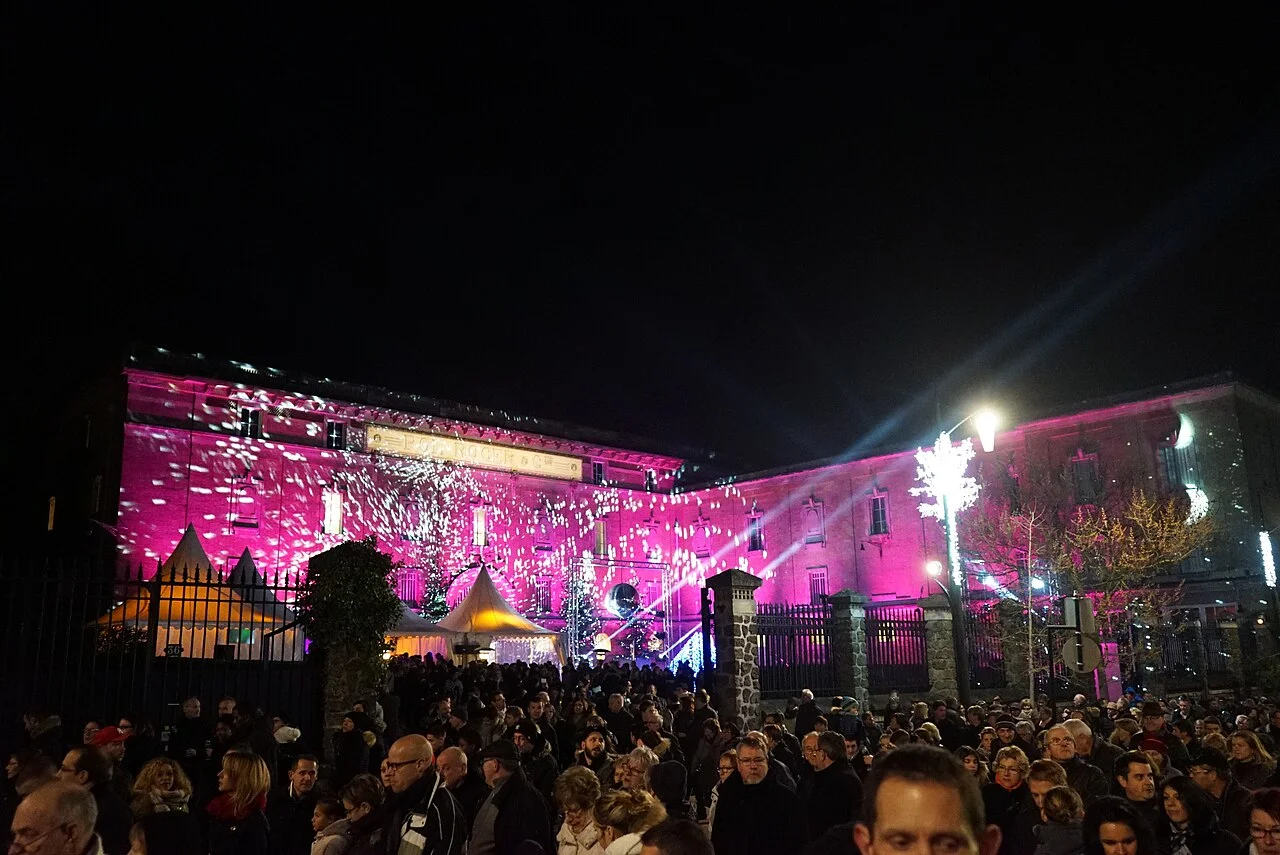
Pol Roger’s address is 1 rue Winston Churchill, Épernay. Its official contact page states that the house is not open for public visits. The frontage can be seen from the public street; there is no visitor cellar ticket to book.
Official information
Three nearby places with a visitor offer
Pol Roger’s 34 avenue de Champagne address is an exterior stop. The Avenue’s nearby bookable choices include de Venoge, Boizel and Perrier-Jouët’s Cellier; the Cellier is a public bar and tasting venue, without public cellar admission.
de Venoge
33 avenue de Champagne, 51200 Épernaycellar visitBoizel — Atelier 1834
46 avenue de Champagne, 51200 Épernaycellar visitPerrier-Jouët — Cellier Belle Epoque
26 avenue de Champagne, 51200 Épernaypublic Champagne bar/restaurant and boutique, no public cellar admissionA named place to ask for the wines
Pol Roger Brut and Brut Vintage 2015 appear on Brasserie du Boulingrin’s online wine list. The restaurant is at 31 rue de Mars in Reims; mention the desired Pol Roger bottle when requesting the table. See the venue’s own wine list or catalogueBoulingrin’s wine list
Plan nearby visits
Build your visit into a fuller stay with our Épernay guide, compare tours and packages and find somewhere comfortable to stay.
Plan your trip to Épernay
Get there
Book a tour
Select the departure point and date on the booking page. Check the meeting point, language and inclusions before paying.
Compare toursWe may earn a commission if you book through these links, at no extra cost to you.