
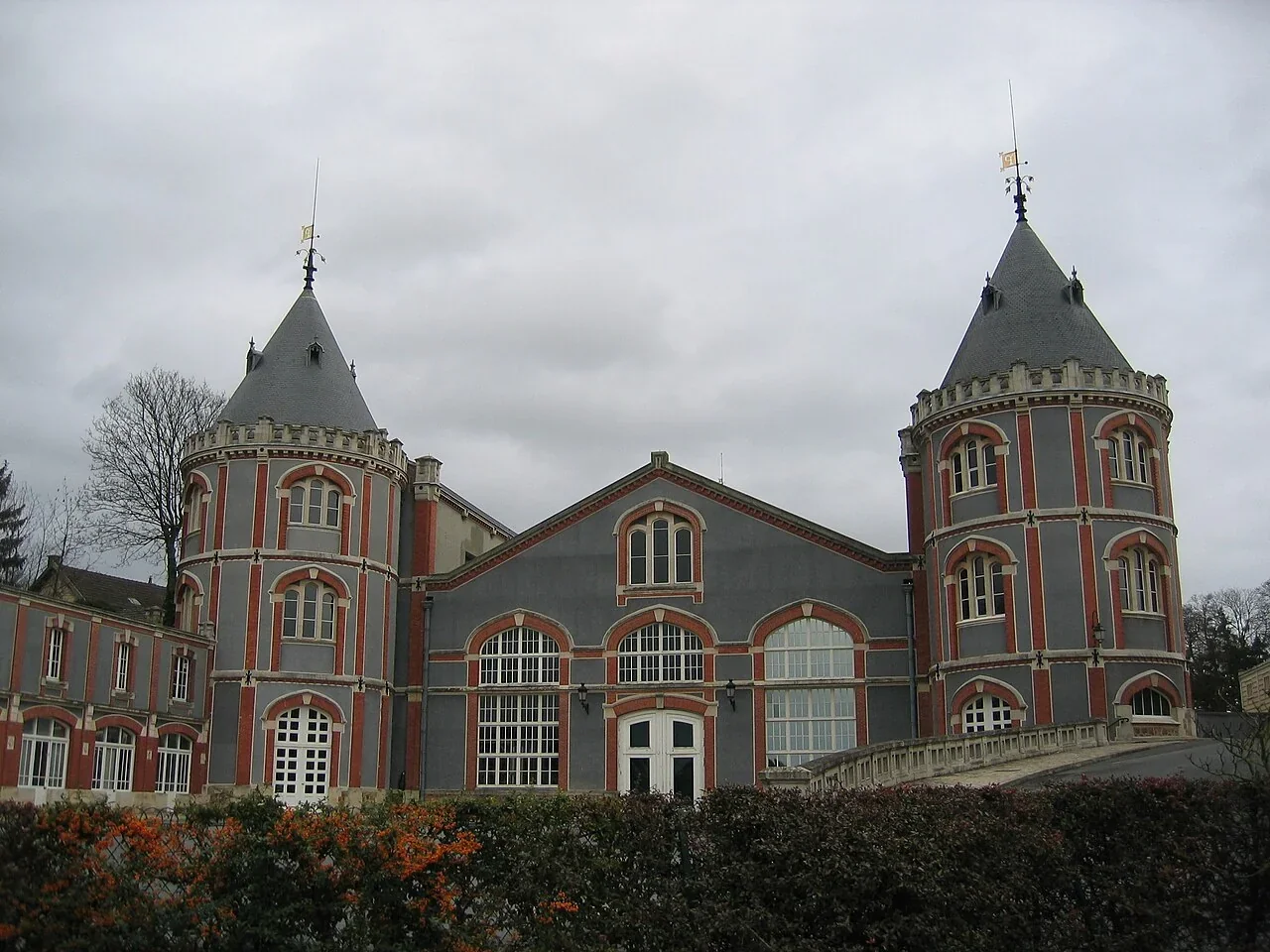
Before you go
The names on Champagne labels connect to people who ran businesses, commissioned buildings and shaped the wines visitors encounter today. Four women recur in that story: Barbe-Nicole Clicquot, Louise Pommery, Camille Olry-Roederer and Lily Bollinger. Their careers belong to different periods and different houses; they should not be compressed into a single tale of one invention.
This guide connects the historical milestones with places and programmes you can investigate now. The records and firsts guide sets individual claims in context, while the Reims history guide follows the city around the houses. Present-day booking conditions remain separate from the story behind the name.
Barbe-Nicole Clicquot
Barbe-Nicole Clicquot took charge in 1805, aged 27, following her husband’s death. The word veuve means widow, so a familiar part of the label also identifies the circumstance in which she assumed responsibility. Her career offers a way to discuss leadership as well as the finished wine.
The dated landmarks in the supplied historical brief are the 1810 harvest for her first vintage bottling, a riddling table in 1816 and rosé in 1818. These are separate developments. Riddling concerns moving the sediment before disgorgement; a vintage identifies a harvest year; a rosé is a wine with its own production choices. Ask which part of the process a display or tour explanation is describing.
She died in 1866. Her name now belongs to a house with a current visitor programme, but a modern ticket covers the named programme and its stated visitor route. Read the Veuve Clicquot visit guide for the named experience, arrival point and official booking link.
For a visit, take one historical question with you: what did the riddling development change in the cellar? That connects the biography to the practical sequence of making champagne. Compare the guide’s answer with the glossary afterwards, keeping the historical date separate from the technique you see demonstrated today.
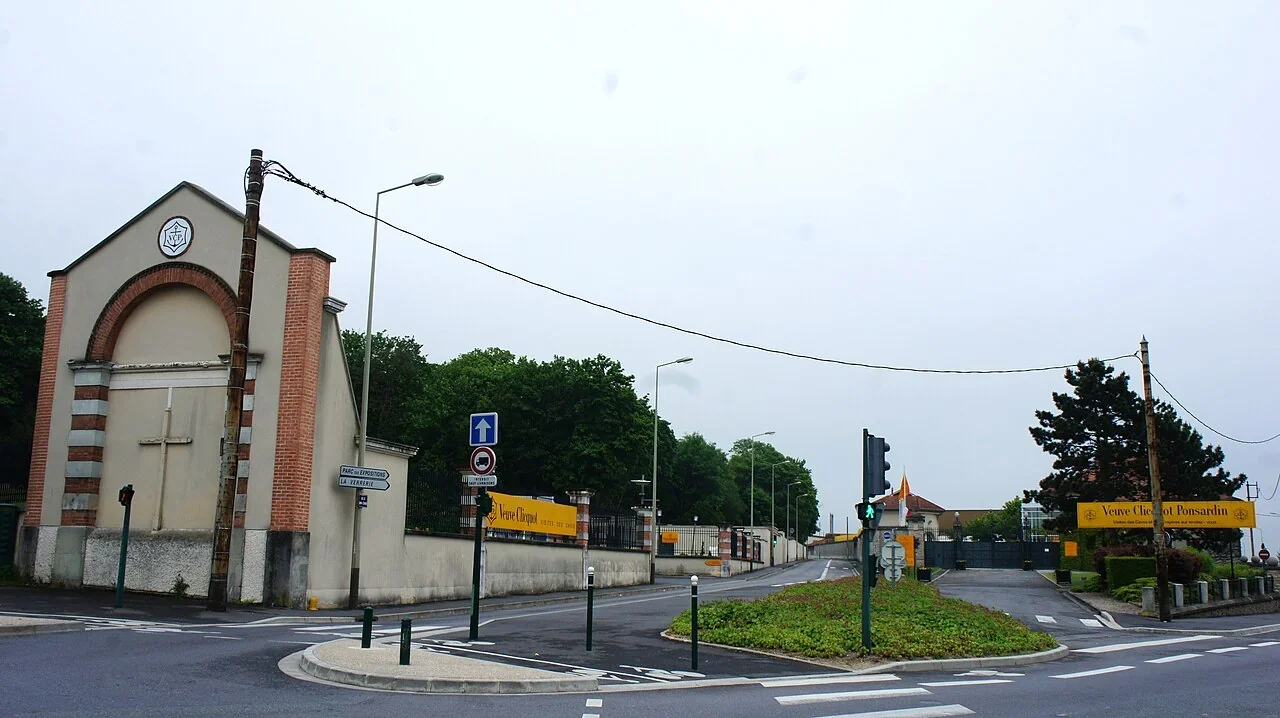

Louise Pommery
Pommery’s own history dates Louise Pommery’s takeover to 1858, after her husband’s death. Her later building project began in 1868: the 124-acre complex in the supplied historical brief makes architecture part of the business story, rather than merely a background for photographs.
The 1874 brut landmark is another distinct chapter. It belongs to the development and presentation of a drier style at Pommery; it is not used here to claim that a single person invented every dry champagne. The sweetness terms on a present-day label have precise categories, explained in the glossary.
Louise died in 1890. A visit to Pommery gives a reason to look at the relationship between the grounds, the buildings and the underground spaces. Use the current programme description to identify the areas included in your ticket. A historic estate’s total extent does not describe the length of a visitor route.
Pair the biography with a question about the site: why were these spaces chosen for the wine business, and what does the tour use them for now? Keep the house’s historical account beside the current visitor information. That distinction is particularly useful when a programme combines architecture, cellar history and contemporary displays.
Camille Olry-Roederer
Camille Olry-Roederer’s story continues the theme of a widow directing a Champagne business into another era. Louis Roederer’s Hommage à Camille account places the start of her leadership in 1932. The house’s general history gives 1933 instead; these two official chronologies differ, so the date is attributed here to the particular account.
The current homage makes her a visible part of the producer’s own explanation of its wines. Read the house’s account alongside the Louis Roederer guide, which follows vineyard ownership, Cristal and later releases. A name commemorated by a bottle is an invitation to explore the history, not evidence of a public cellar appointment.
Roederer’s visitor status is important for a traveller: no unverified public booking is offered here. Use official information and the house guide, and choose a confirmed visit elsewhere in Reims if you want an interior tour. A historical itinerary can include a producer’s story without suggesting access to its working spaces.
When comparing the four biographies, distinguish running the company from making a particular wine or creating a named range. A succession date, a bottle’s launch and a later tribute answer different questions. Keeping those categories clear makes it easier to read a museum caption or a house timeline critically.
Lily Bollinger
The Union des Maisons de Champagne gives Lily Bollinger’s lifespan as 1899–1977. She took responsibility after her husband Jacques died in 1941 and retired in 1971. The group’s official history places her takeover during the Occupation and describes her commitment to established cellar techniques alongside new products.
Bollinger’s house history links Lily to the development of R.D., launched in 1967. The initials stand for Récemment Dégorgé: long maturation on lees followed by disgorgement close to release. Ask about the exact wine and dates if it appears in a tasting; the name refers to a particular approach, not a rule that applies to every Bollinger bottle.
The Bollinger guide follows the Aÿ house, its barrels and its named wines. It also distinguishes the founding address from the current visitor contact. That matters when a biography, an old photograph and a modern booking confirmation point to different entrances.
Lily’s story is associated with cycling through the vineyards, but a present-day ride needs its own route and access plan. Do not treat a historical anecdote as permission to enter private vineyard tracks. For an Aÿ visit, reserve the published appointment first, then arrange the journey and the rest of the day around it.
The families today
Family histories continue beyond the four biographies. Taittinger’s family chapter began in 1932, when Pierre Taittinger and Paul Evêque purchased Forest-Fourneaux. François Taittinger created Comtes de Champagne Blanc de Blancs in 1952. The Taittinger guide connects those milestones with its current Saint-Nicaise visitor site.
Roederer’s account follows Camille’s family through Jean-Claude Rouzaud and Frédéric Rouzaud, while the Bollinger history follows the Aÿ estate through named cuvées and cellar practices. Use the current official pages for the company’s own description of its organisation. A family name on a label alone cannot establish who owns, manages or makes every wine today.
For a visitor, the useful comparison is concrete: which building will you enter, which part of the production story will be explained, and which wines belong to the booked tasting? The house-or-grower guide helps compare the formats without turning ownership into an automatic judgement of quality.
Before visiting, make a short reading list organised by person, place and wine. For Clicquot, that might mean the takeover date, the cellar technique associated with the riddling table and the exact current tasting programme. For Pommery, separate the estate’s building history from the sweetness story. For Bollinger, distinguish the founding address, Lily’s leadership and the later named R.D. release. This gives each stop a question grounded in a particular source.
During the tour, note whether a date describes a harvest, a release or a building. A wine can be identified by an earlier harvest and presented years later, while a house can occupy a site much older than its own name. Afterwards, compare the notes with the producer’s written account. If two official chronologies differ, preserve that distinction instead of combining their dates into a new version. The present Roederer accounts illustrate why this matters: the source attached to a claim is part of the useful information.
A timeline
- 1805: Barbe-Nicole Clicquot takes over, aged 27.
- 1810, 1816 and 1818: Clicquot vintage, riddling and rosé milestones.
- 1858: Louise Pommery takes over after her husband’s death.
- 1868: work begins on the Pommery complex.
- 1874: Pommery’s brut landmark.
- 1932: the Taittinger family chapter begins; Roederer’s Hommage à Camille dates her leadership from this year.
- 1941: Lily Bollinger assumes responsibility.
- 1967: Bollinger R.D. launches.
- 1971: Lily retires.
Read this as a sequence of different kinds of event. It brings business succession, a building project and wine developments together so you can place them in time; it does not imply that the four houses share one visitor route or one booking system.
Visit their houses
Use the official booking options for Veuve Clicquot and Pommery, then compare the current tasting and language offered on your date. Both belong in a Reims plan, while Bollinger requires an Aÿ appointment and a separate journey. Louis Roederer’s historical importance does not create a confirmed public-tour offer.
For a Reims base, compare the named hotel shortlist and the practical arrival advice before selecting a room. Find hotels in Reims. The Reims hub and weekend itinerary connect a cellar booking with the cathedral and the rest of the city. Leave time for the actual journey between reservations.
FAQ
Why do so many Champagne labels say veuve?
Veuve means widow. In these histories it identifies women who took responsibility for a business after a husband’s death; the careers and dates remain distinct.
When did Louise Pommery take over?
The official Pommery house history gives 1858, following her husband’s death.
Can I visit every house in this guide?
Current visitor arrangements differ. Use the house guides and official booking pages; no confirmed public cellar offer is claimed here for Louis Roederer.
Where was Lily Bollinger based?
Bollinger is in Aÿ. Reserve the named visitor format and use the meeting point on the current booking confirmation.
Do these stories replace the visit information?
No. Historical dates explain the names and sites. Current tickets, languages, opening arrangements and access need the particular house’s visitor page.
Plan your trip to Champagne
Get there
Book a tour
Select the departure point and date on the booking page. Check the meeting point, language and inclusions before paying.
From: Reims. Duration: Approximately7 hours. Group size: Maximum 8 participants. Includes: Guide and air-conditioned transfer; E-bike and helmet; Le Clos Corbier visit and lunch; Four wines:two Champagnes,one red wine,one Ratafia. Select Reims pickup option only. Listing checked October 2026.